











Utilitarian to the core, we arent impressed by flashy instrument panel work. And by this, we mean panels decked out in custom colors and patterns that blend with a pricey leather interior and a toney exterior paint job. But were not crazy about the 1970s-style Royalite overlays, either. These long ago outlived their appeal and few have aged gracefully. Where does that leave us? Replacing what was in vogue in 1970 with a crisp, non-nonsense metal panel. Commercial aircraft have this feature and so do military airplanes. If form follows function, metal panels are the ultimate in both form and function. Further, in the world of custom rework of panels, the possibilities are endless. FAA leniency in design, modification and installation, however, is not. Instrument panel replacements dredge up FAA buzz words like “major” and “minor” modifications versus alterations versus repairs. Whats maddening for shops is that no two FSDOs seem to look at panel structural mods in quite the same way. But generally, if you rip out the Royalite and start with new panels and subpanels for the instruments, radio rails, switches and the major equipment certificated for the aircraft, youre into a major modification. Virtually every FAA inspector we spoke with during our research made it clear that messing with panel structure requires regulatory approval. 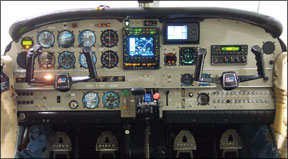
Panel Replacements: Metal vs. Overlay
Utilitarian to the core, we arent impressed by flashy instrument panel work. And by this, we mean panels decked out in custom colors and patterns that blend with a pricey leather interior and a toney exterior paint job. But were not crazy about the 1970s-style Royalite overlays, either. These long ago outlived their appeal and few have aged gracefully.