











As pilots and aircraft owners, we always seem to be worried—justifiably, I think— about fuel. We’re concerned about price; apprehensive about a reliable supply in the future (Paul Bertorelli has an article about one potential solution on page 12), cautious to assure we have enough on board, with reserves and, should we have an accident, we know, in that primitive place deep inside us where our fears reside, that the fuel we have been relying on can kill us.
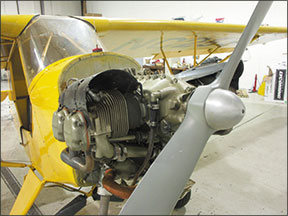
Until the mid-1950s, it was pretty common for smaller general aviation airplanes to carry their fuel in a tank between the engine and cabin. The reasons boiled down to ease of design and manufacturing cost. For some years, the fact that those tanks would rupture in even low-speed accidents, leading to post-crash fires, was not considered of importance.