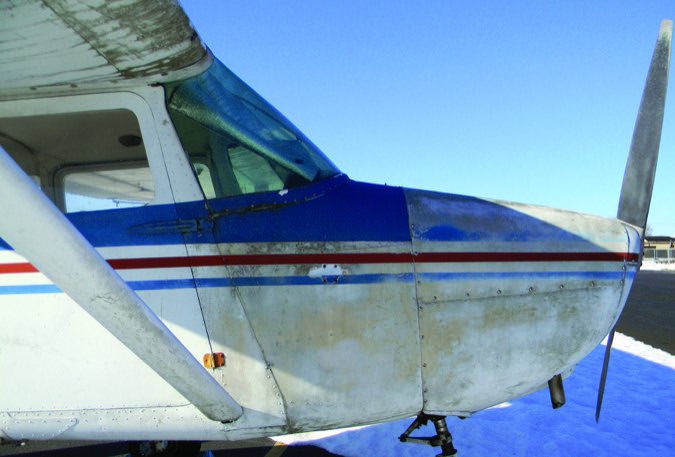
The best way to control corrosion is to keep it from forming in the first place, and understanding the requirements for building corrosion is the first step. Think back to high school science lab. First, there must be the presence of metal that will corrode-usually not a shortage on the typical aircraft. Sure, composite aircraft have an advantage, although many have metal wings and plenty of other metal accessories. There must also be the presence of a dissimilar conductive material that has less tendency to corrode. And, there has to be the presence of an electrolyte (water, for example). Then there's the electrical contact between the cathode and anode-think metal-to-metal contact of a fastener, as an example. But remove any one of these basic requirements and you're doing some good in controlling corrosion.
We’ve seen it plenty of times. It’s pretty easy to fool some airplane buyers into thinking the machine is a cherry by slapping on a fresh coat of paint and a spiffy interior. All is good until the airplane hits the hangar floor for the first annual inspection and the mechanic delivers the dreaded news: The airframe is corroded.
PREMIUM CONTENT
This article is for subscribers
Log in to continue reading, or subscribe to get unlimited access to all content.