











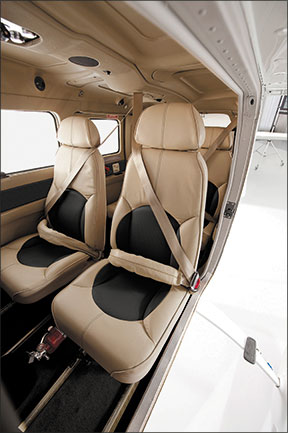
Goodness knows, there are a lot of ways we can spend money on improving our airplanes and plenty of folks who will promise us the moon in terms of performance or glitz or impressive panel displays. Many times the sales promotion includes a claim that the product makes the airplane safer. But which products do? New paint? Hardly. Glass panels? No proof, yet. Retrofit shoulder harness? You bet.
Deciding what hardware can make an airplane safer starts out with risk assessment. Somewhat simplified, most general aviation accidents are due to something the pilot does or does not do—the airplane usually behaves itself. Most commonly, the pilot blows a landing and runs off of the runway or tries to go around and hits something. Those runway loss of control (RLOC) events are more often injury accidents, rather than fatal—the variable is impact speed.