










Register

Aircraft Antennas: Worth a Close Look

Geeks to the core, we’ve always had an odd fascination with aircraft antennas. Maybe it’s our ham radio background or the fact that airborne antennas are a critical means of communicating, navigating and reporting our position to the ground. Truth is the average pilot rarely gives these critical antenna systems—fondly slanged “antlers” around the shop— a second thought. That’s until the avionics shop suggests a high-cost replacement option or they’ve deteriorated to the point of creating a system failure. Antenna work can be an expensive endeavor while fabric and composite aircraft could make the invoice even more shocking. Here’s an insider’s look at antenna maintenance, tips for upgrading ancient ones and some of the symptoms associated with deficient antennas.

Geeks to the core, we’ve always had an odd fascination with aircraft antennas. Maybe it’s our ham radio background or the fact that airborne antennas are a critical means of communicating, navigating and reporting our position to the ground. Truth is the average pilot rarely gives these critical antenna systems—fondly slanged “antlers” around the shop— a second thought. That’s until the avionics shop suggests a high-cost replacement option or they’ve deteriorated to the point of creating a system failure.
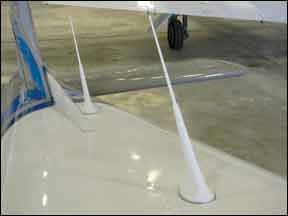
Antenna work can be an expensive endeavor while fabric and composite aircraft could make the invoice even more shocking. Here’s an insider’s look at antenna maintenance, tips for upgrading ancient ones and some of the symptoms associated with deficient antennas.

Larry Anglisano

Editor in Chief Larry Anglisano has been a staple at Aviation Consumer since 1995. An active land, sea and glider pilot, Larry has over 30 years’ experience as an avionics repairman and flight test pilot. He’s the editorial director overseeing sister publications Aviation Safety magazine, IFR magazine and is a regular contributor to KITPLANES magazine with his Avionics Bootcamp column.