










Register

Electronic Ignition: Coming of Age

Magnetos always fire the spark plugs at the same point-on the order of 25 degrees before top dead center (TDC)-and rely on the combustion event to carry on by itself to reach maximum pressure by the time the piston reaches 11 to 17 degrees past TDC. Mags put out a spark of on the order of 12,000 volts. The downside: At 500 hours it's time to pull mags for inspection and repair or replacement. That's not cheap.

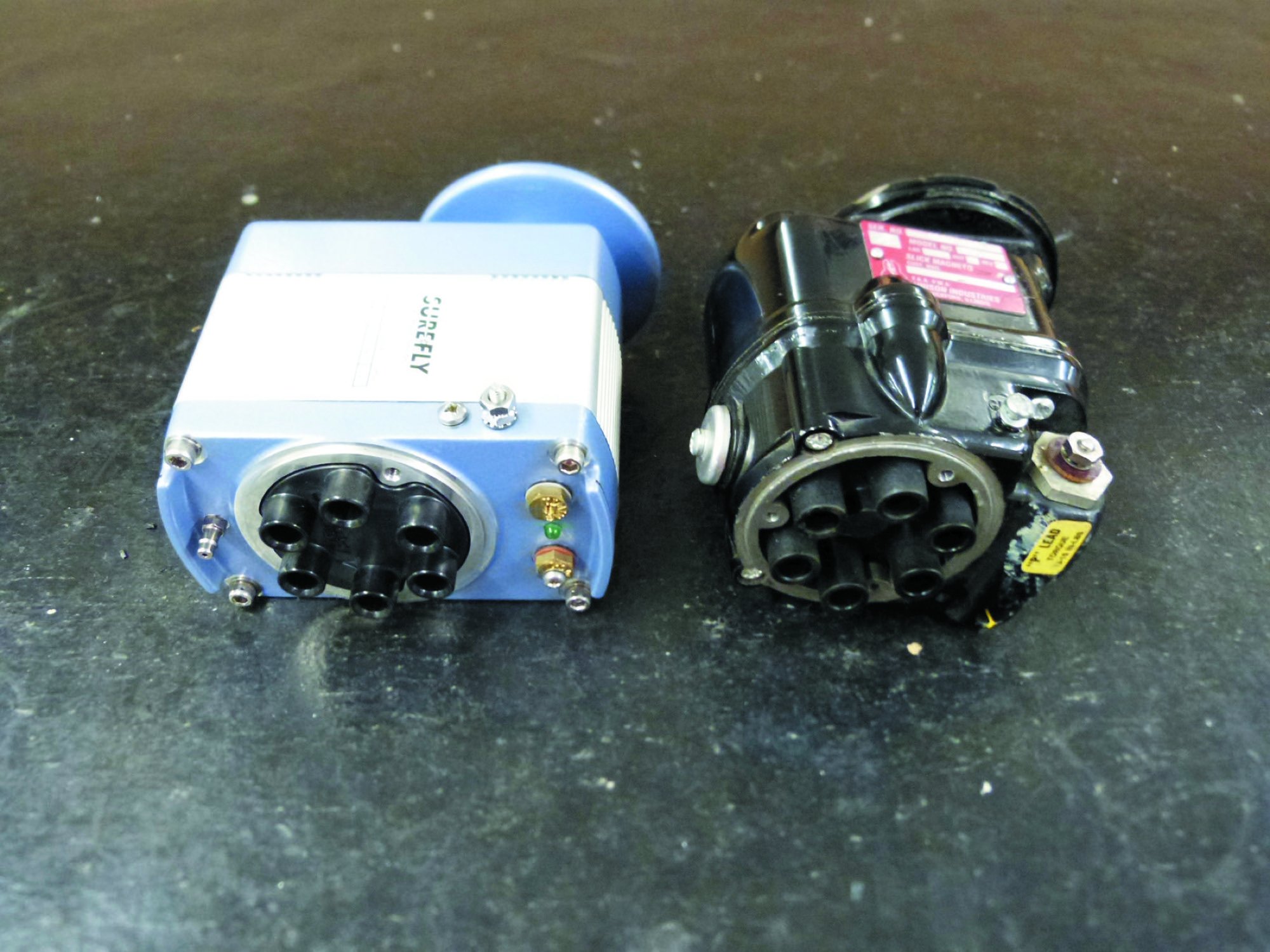
That’s a SureSureFly electronic ignition module next to a traditional mag

Pilots have flown behind magnetos since there was dirt because they’re reliable and simple-even though they wear out faster than any other component in an airplane. However, since electronic ignition for piston engines first proved itself as reliable and much more capable when it comes to engine efficiency and power, pilots have been cursing the time it has taken for the concept to evolve into little airplanes.

Fortunately, there has been a small, dedicated group of people who have been wrestling with the challenges and staggering costs of FAA certification-and it’s paying off.

Rick Durden

Senior Editor Rick Durden has written for Aviation Consumer since 1994 and specializes in aviation law. Rick is an active CFII and holds an ATP with type ratings in the Douglas DC-3 and Cessna Citation. He is the author of The Thinking Pilot’s Flight Manual or, How to Survive Flying Little Airplanes and Have a Ball Doing It, Vols. 1 & 2.