











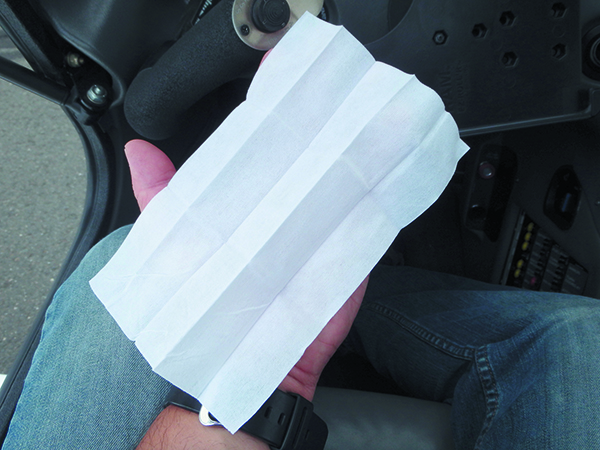
Recently on a transient ramp I watched a pilot dousing the cabin and cockpit of his turboprop with a can of Lysol disinfectant spray—and he wasn’t being gentle. The FAA’s Special Airworthiness Information Bulletin NM-20-17 (Nov. 4, 2020) was written for folks like him, and the bulletin contains some worthy guidance for the rest of us determined to keep our aircraft free of germs. While the bulletin mainly focuses on transport category airplanes, it might as we’ll apply to any aircraft because it addresses the potential long-term side effects of improper and too-frequent cleaning—from corrosion, increased flammability and electrical wiring issues.
The FAA is involved because any of those issues could, according to the agency, create an immediate or latent airworthiness issue. It’s sort of uncharted regulatory waters for the FAA because it doesn’t treat disinfection practices as “maintenance” under 14 CFR Part 43 because disinfection is not necessary for the airworthiness of a part or system. The guidance is mostly common sense, but worth adhering to.