








Register

Avionics Shops: How You Might Choose

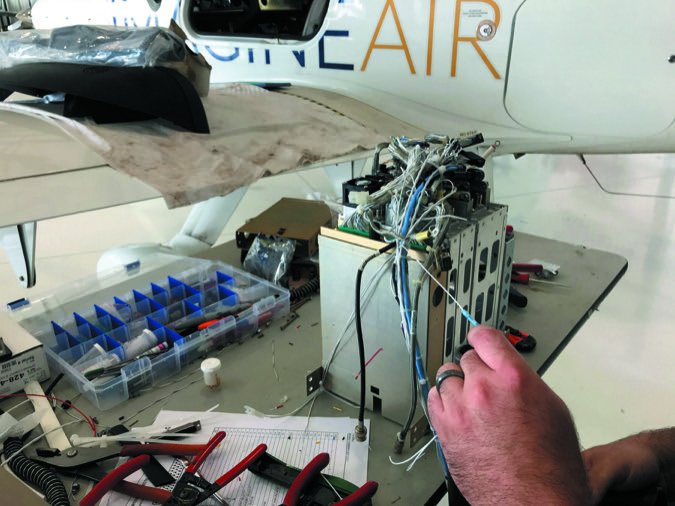
You'll find that the majority of established avionics shops are Part 145 FAA repair stations, but some might have varying ops specs. For example, some might have instrument repair and overhaul capability, plus are spec'd to work on ship's weather radar, to name two major fields of expertise. One benefit of using a shop that maintains a Part 145 repair station is that it's required to have a quality control program in place (including an approved quality control manual), an area in which the FAA has placed sizable emphasis mostly for the right reasons.

As we predicted a few years ago, the FAA’s ADS-B equipage mandate is starting to create a scheduling backlog at many avionics shops. This won’t lighten up and if you haven’t equipped and plan to fly in ADS-B airspace, now is the time to get on a shop’s schedule to at least plan the interface.

But if you don’t have a relationship with an avionics shop you trust, selecting a good one is more involved than just scheduling. In this article we’ll focus on some of the traits you should look for when qualifying a shop to do your avionics work. That’s everything from ADS-B mods to major panel upgrades and repairs.

Larry Anglisano

Editor in Chief Larry Anglisano has been a staple at Aviation Consumer since 1995. An active land, sea and glider pilot, Larry has over 30 years’ experience as an avionics repairman and flight test pilot. He’s the editorial director overseeing sister publications Aviation Safety magazine, IFR magazine and is a regular contributor to KITPLANES magazine with his Avionics Bootcamp column.