










In the world of aviation accomplishments, the prestigious Robert J. Collier Trophy is a pretty big deal. And deservingly, the award for Garmin’s AutoLand acknowledges the huge engineering effort that brought to market airplanes that land themselves when the pilot can’t. To me, the engineering talent that made this possible sort of got lost in celebration in early 2020 when Garmin made the announcement, and the first thing Garmin’s Senior Aviation Programs Engineer Bailey Scheel reminded me of when I interviewed her at the Collier event this past November was how long it took to bring AutoLand to market. “We had been working on this for over seven years,” she said with wide eyes. That’s it? I know other avionics companies that take longer than that to earn a TSO on a single box. As the tuxedo-clad Garmin team were grinning like goats in a Kansas pasture during the award presentation, I was thinking the accomplishment should be incentive for other companies to try harder.
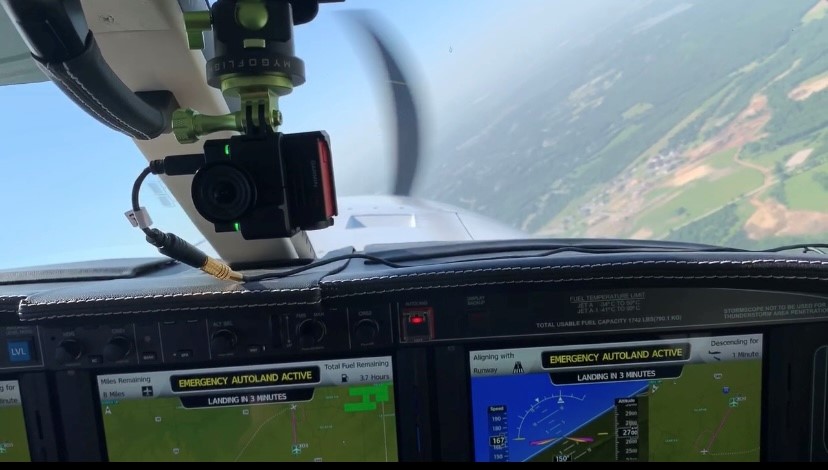
I suspected Garmin was working on an autonomous system for a number of years—the secret hangar at Garmin’s flight ops in Kansas was off limits to my cameras whenever I visited. But when I strapped in and flew a flight-test version of AutoLand in the summer of 2019, I wasn’t thinking of the Collier Trophy. I was wondering if the FAA would ever sign its name on the new type certificate for the Piper M600, for which AutoLand would be offered as original equipment.