




Somehow, encoded into the very DNA of many would-be aircraft owners is an utter inability to apply normal standards and cautions when it comes to making money decisions about airplanes. Its undeniable that some airplane people go woozy and weak in the knees when a new aircraft purchase is afoot.
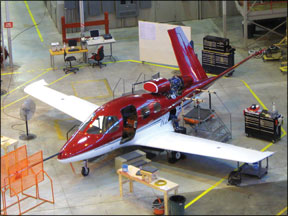
Example? One entrepreneur contemplating launching a new jet was confronted by an investor who insisted on writing a six-figure check to be first in line for the new airplane. Never mind that not so much as a cocktail napkin sketch existed of the new airplane-he just wanted to be first in line if the project came to fruition.
We cant venture a guess if this is blind faith or unbridled enthusiasm run amuck, but it supports an established trend in the airplane business that lives on to this day: Owners who want a new airplane are often asked to invest in it by writing large deposit checks which, in fact, make them both investors and customers whether they like it or not.
The practice is so common that it has become the unquestioned way of doing business. We don’t have a score card on this, but owners have lost bundles of money on position-holder deals and Eclipse Aviations troubles with its EA500 jet have left an unknown number of position holders waiting for refunds. Given this development, does it make sense to continue this practice? isn’t there a better way? What should owners do to protect themselves against companies that don’t deliver on the deposits?
Fine Print
Although aircraft companies like to spin the deal otherwise, deposit and position sales generally favor the company, not the customer or are, at best, neutral. Some Eclipse owners we interviewed complained that Eclipses position-holder policy was complex, contorted and put the customer at a disadvantage.
When Eclipse launched in 2000, another jet maker-Safire-was also selling positions for its proposed S-26. It asked for an $8000, fully refundable deposit held in escrow until the prototype flew. (It never did.) The deposit guaranteed an airplane at the introductory price of $800,000, which we now know was a delusion.
Eclipse, on the other hand, had a multi-tiered deposit structure that included two buy-in levels, one at $37,000 and another at up to $155,000. There were complicated cost escalators and refund restrictions related to certain milestones, such as first flight and certification. In a bit of hype no company would touch with a barge pole today, Eclipse also had a bidders club that allowed would-be owners to pay $5000 to take part in an internet auction for early positions. It was all great fun while it lasted and, arguably, ginned up interest in VLJs. Jet makers now live in a different world. The bloom is off the rose that flowered in 2000. So is it time to dump the very idea of customer-funded airplane projects?
“Thats a very difficult question to answer,” says Piper CEO Jim Bass, who comes to the company most recently from the electronics industry, but who also knows the aerospace business. Like Cirrus and Diamond, Piper is funding its new jet with a combination of internal funds and outside capital. He estimates the project will cost about $100 million to reach type-certificate stage.
If there was ever a time when a combination of internal funding and customer deposits could launch either a company or an airplane, those days are long since past. Bass says the capital requirements are simply too intensive and other CEOs agree.
“If you look at an aircraft startup company and how to fund it, the deposits are a very small part of the overall funding requirement. Youll never certify an airplane purely out of deposits; its just not going to happen,” says Joe Walker, who was involved in the Adam Aircraft startup and who is now running Dornier Seaplane Company, yet another startup which plans to build a twin-turboprop seaplane selling for $6 million. Want one? Deposits are $50,000 and go into an interest-bearing escrow account that, theoretically, insulates the customer from risk.
If thats the case-in other words, the deposits don’t really pay for much and are in escrow anyway, why do them at all? Market confirmation, say the manufacturers. “You need a commitment from the customer to be serious about buying because were serious about selling. You need to understand where the airplanes are going to go,” says Walker.
Deposits also help attract the big dollar capital from investors-the money that does the heavy lifting-and it adds credibility with suppliers and dealers.
At Risk?
The fact that some companies escrow the money and some don’t suggests there’s a philosophical departure over what deposits really represent. When Cirrus set out to fund its SJ50 Vision jet, CEO Alan Klapmeier was clear about one thing: It wanted the customer to understand the money was at risk.