











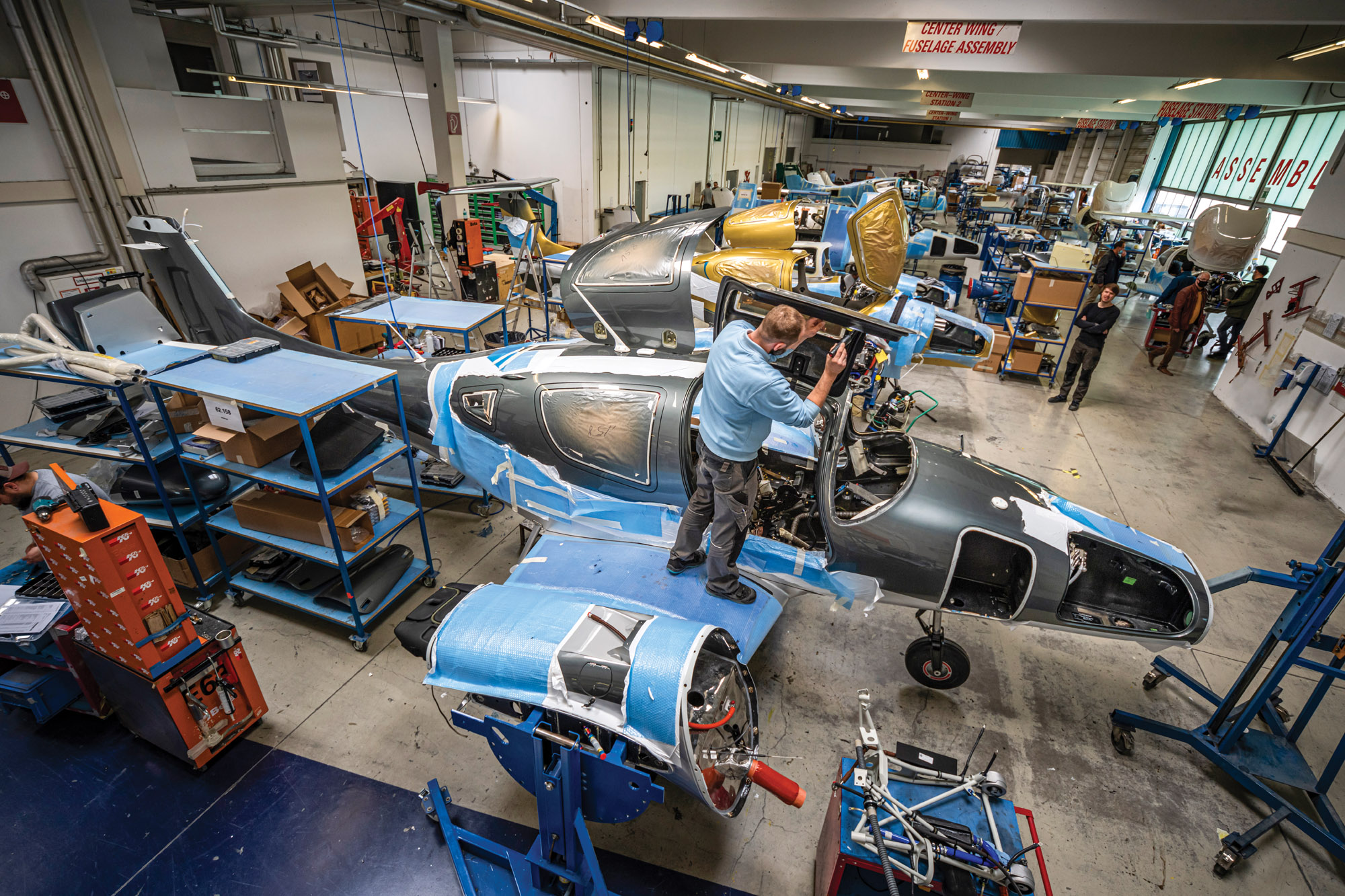
In the first two quarters of 2025, the world has seen the U.S. institute tariffs against the imports of products from a long list of countries. The impacted countries were quick to retaliate with their own tariffs against U.S. imports, and the tariff wars have been a roller coaster of rates, excluded products, exclusions and holds. Clearly, the U.S. and Canadian GA markets are worried—and for good reasons. Prices have been steadily rising on everything—from small consumables products to engines and avionics. It could get worse.
A volatile situation
As you read this article bear in mind that the tariff wars are changing daily, creating a roller coaster ride for consumers, businesses and politicians. On April 9, 2025, the Trump administration abruptly backed off tariffs on most countries for 90 days even as they further increased the tariff rate on Chinese imports to 125 percent. However, while the administration paused the tariffs, it kept in place a 10 percent tariff on nearly all global imports. Tariffs on automobiles, steel and aluminum remain on imports from Canada. During April, Boeing began repatriating aircraft sold to Chinese airlines and returning them to Seattle. This happened after China announced messaging to domestic airlines to stop taking delivery of Boeing products in response to the trade war. It is not clear if the Chinese tariff would apply to the aircraft; if it did, the aircraft price would increase from $55 million to $135 million U.S. dollars. Reuters said it is not known whether Boeing recalled the aircraft or the Chinese ordered it to leave.