











Unless youre among the small but increasing number of aircraft owners lucky enough to own a jet, your airplane has at least one propeller and sooner or later, it will need an overhaul. The cynical joke among some mechanics and owners is no known prop shop ever saw a propeller that didnt need an overhaul.
While that may be too harsh, even cheapskate owners are finding that there are too many substandard props out there that are signed off as airworthy but are, in fact, marginally airworthy. No small number of them are absolute junk. Why? Corrosion, mainly, and lack of maintenance by owners who just don’t understand
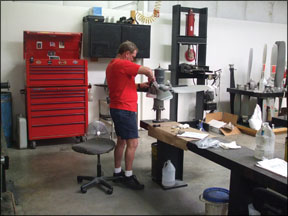
what kind of care propellers typically need and whose ignorance costs them money. In fact, according to the pros, treating your propeller like the critical component it is and lending it a little TLC every now and then can go a long way toward preventing costly maintenance. And when your well-cared-for prop does go into the shop, you may have more options than just getting it overhauled.
The Usual Suspects
The typical propellers main enemy isn’t the wet-behind-the-ears private pilot who insists on using it to muscle the airplane in and out of the hangar. Its not even the guy who taxis over runway lights and into ditches while talking on a cell phone-more about him in a moment. Instead, according to the prop shop managers and manufacturers reps we spoke with, its aviations oldest bugaboo: corrosion. Look at just about any metal prop out on the flightline and you’ll probably find its leading edge is rough, with small pits and-if it hasnt been painted recently-some whitish discoloration. Thats corrosion, and its slowly eating away at the prop.
What about wooden props? While corrosion usually isn’t a problem with a wood prop, they can require re-torquing as frequently as every 25 hours, according to Sensenich Propeller Manufacturing Companys Ed Zercher. As temperature and humidity levels change, so does the props moisture content. As the prop expands and shrinks, the mounting bolts torque changes. Fly a wooden prop from a cool, dry area to a warm, humid one and it likely will need attention once you arrive, Zercher told us. As a rule, wooden props are less efficient than metal ones, he added, since the airfoils at the tips cant be made as thin as with metal and still retain the necessary strength.
A metal props other main enemy is the nicks and gouges picked up in normal operation. Along with the pitting from corrosion, these create stress risers, weakening the blade. Stress risers can lead to cracked blades. In extreme cases, part of the blade can break off in flight, creating a severe out-of-balance condition. These incidents crop up occasionally in our routine review of NTSB and FAA accident and incident reports. We wouldnt call them widespread, but they arent rare, either. If you catch a blade departure quickly enough and reduce power or shut off the engine altogether, the engine might not shake itself to pieces and