











Not so long ago-about six years to be precise-we were reporting on electronic flight displays as the next big thing. And to be honest, we werent sure if the idea would stick. It did. Now that were into the third-or is it fourth?-generation of this technology, its fair to examine what users think of it. Glass is now standard equipment on virtually every new airplane sold by a major manufacturer. Garmin is by far the dominant provider, but Avidyne sells plenty of systems, too. Lately, Aspen Avionics has made a dent in the aftermarket with its well-regarded Evolution system and a couple of OEMs have picked it up for new airplanes. With all that glass out there, the obvious question is has this technology delivered on its promise? Are buyers and users happy with it? What do they like about it? What don’t they like? Is the stuff just a nightmare to maintain? To find the answers, we published an in-depth set of questions on our electronic news service site, avweb.com. The questions covered a range of topics and 330 owners and pilots replied. In this article, we’ll analyze the responses to our survey.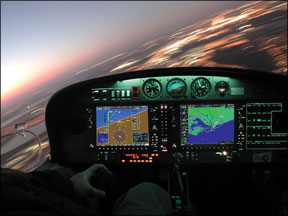
What We Asked
Avidyne pioneered glass for small aircraft when Cirrus introduced the Entegra system for the SR22 series in 2003. Garmin followed two years later with the G1000 and other systems have evolved during the period, including Cheltons Flight Logic and, more recently, the Garmin G600 and Aspen Evolution, both intended as aftermarket retrofits. Several readers asked why we didnt survey systems from Dynon, Grand Rapids, TruTrak and others. Simple: Were interested only in certified systems for this exercise. We asked a total of 42 questions, ranging from general queries about overall satisfaction with the fundamental idea of EFIS in the first place to more detailed questions related to the design of the displays, maintenance issues and cost-value relationships. Survey respondents were given ample opportunity to comment in their own words and many did.
Worth noting is that our survey consists of self-selected respondents. In other words, we werent able to stratify our sample in such a way that it represents an accurate reflection of the entire EFIS-using population, if such a sampling is even possible. Nonetheless, we still think reader responses have merit.
Hey, We Love EFIS
A first look at the big picture reveals that users of this technology are overwhelmingly happy with what it does, generally satisfied with how it works and even though glass displays are quite expensive when compared to the avionics that preceded them, owners see good cost-value in glass panels.
Eight out of 10-84 percent to be exact-said they thought that the current generation of glass panels had lived up to their expectations and a slightly smaller majority-62 percent-said that EFIS displays have materially improved flight safety when compared to the steam gauges they replace. If there’s an emperor-has-no-clothes vein in the world of EFIS, our survey didnt reveal it.
Only 8 percent of our survey respondents characterized electronic flight displays as overrated or over- hyped. Given the number of complaints we heard about complexity of operation and difficulty with training-more on that later-we conclude that users are so impressed with EFIS capability, theyre willing to overlook significant design and interface warts.
An equal percentage of owners-85 percent-told us they thought the EFIS systems they had flown significantly improve flight safety, while the remaining 5 percent thought it had no impact or actually degraded flight safety. That last finding is illogical unless you read the comments: A small fraction of users believe that EFIS technology is so difficult to master and demanding of pilot attention that it represents a distraction and thus detracts from flight safety. While this is clearly a minority view, it does address a theme we found throughout our research: Even users who like EFIS technology complain that its operating logic is occasionally not logical at all or frustrating to use.
Market Share
Although Avidyne jumped into the EFIS fray early with Cirrus, Garmin focused its vast marketing and developmental machine on the glass segment and produced the G1000 in 2005. This product has since dominated the field. Its available in airframes from most of the major manufacturers. Of the 330 users who replied to our survey, 57 percent were Garmin G1000 users, 25 percent were Avidyne users and rest were divided between Cheltons Flight Logic, Aspens Evolution and the Garmin G600.
Customer satisfaction levels between these systems seem fairly comparable, although our survey suggests that those who like the Avidyne Entegra like it a little