











While the world of piston general aviation wrings its collective hands over an unleaded replacement for 100LL, the turbine market is caught up in a vast, breaking wave of biofuel activity. Even though heavily subsidized biodiesel is already finding a niche market, it looks like demand from the airlines, but especially from the military, is driving an explosion of so-called advanced biofuels development. As we reported in the December 2010 issue of Aviation Consumer, the ASTM approvals for bio-derived turbine fuels are already in place or soon will be. But thats not the same as having a ready and robust industry that can refine meaningful volumes of biofuels for aviation use at affordable prices. While research projects and startups number in the hundreds, no one has yet demonstrated convincing real-world economics that would allow biofuels to compete with petroleum-based fuels. And for every biofuel believer, there’s a show-me skeptic who notes that thus far, biofuels havent achieved a glorious history. Although turbine fuels are getting the big research dollars, there may be a minor spinoff that dribbles some crumbs to the piston side: Swift Enterprises continues its work on what is essentially an octane-proven 100LL replacement and a burgeoning biofuel industry can only help its efforts by establishing a wider technology base and, intriguingly, possibly benefitting from refining unwanted biofuel co-products into high-octane avgas. The Big Driver As has often been the case with other aviation technologies, the hard push for biofuels is coming from the military. The Air Force and Navy want to have half of their turbine fuel-and for the Navy, half of its ship propulsion fuel-coming from biomass sources by or before 2020. Both services will mix conventional fuels 50/50 with advanced biofuels in order to blend drop-in replacements that require no modifications to engines or distribution and storage systems. Rick Kamin, the Navys lead researcher for fuels, told us that this means an F-18 pilot launching on a mission with a blend of refined camelina oil and JP-8 wont know the difference. “To the fleet, its a straight drop-in solution. They wont have to make any changes,” he said. Testing has proven the point. Both the Air Force and Navy have done extensive testing on their proposed biofuels blends-including engine ground tests and flight tests-and found no surprises that required changes in fuel formulation. The Navy did its tests at Patuxent River, Maryland, in an F-18 it expansively called “The Green Hornet.” Heat contents and weights of these fuels are similar enough to require no performance table changes for aircraft. Kamin told us that seals, gaskets and O-rings in military aircraft do require a certain percentage of aromatic compounds to swell and seal correctly, but thats provided by the conventional petroleum portion of the mix. “That really is the main reason were going with a 50/50 blend,” Kamin told us. Although both services burn a bunch of JP-8 jet fuel, the military as a whole accounts for only about 2 percent of U.S. fuel consumption and the Navy only has a small portion of that. (Interestingly, by 2020, the half of its fuel consumption projected to come from biofuels is about 330 million gallons, only a bit more than general aviations current leaded avgas consumption.) Although thats a tiny drop compared to the 30 billion gallons of Jet A used in the U.S., the hitch is that the industry doesnt exist to make even that much turbine biofuel, nor are the technologies and economies anything like we’ll proven. The Navys purchase of a 40,000-gallon test batch cost the service $67 a gallon. Nonetheless, the services are undaunted. “We are very engaged with industry. Weve talked to private equity, weve talked to venture capital, weve talked to 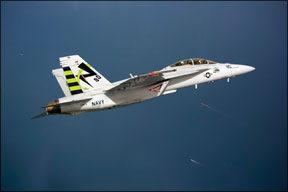
Biofuels Take Flight: But Its No Slam Dunk
While the world of piston general aviation wrings its collective hands over an unleaded replacement for 100LL, the turbine market is caught up in a vast, breaking wave of biofuel activity. Even though heavily subsidized biodiesel is already finding a niche market, it looks like demand from the airlines, but especially from the military, is driving an explosion of so-called advanced biofuels development. As we reported in the December 2010 issue of Aviation Consumer, the ASTM approvals for bio-derived turbine fuels are already in place or soon will be.