











Flying is one of the fastest ways to burn money in this life. Airplanes are expensive and helicopters even more so. For most light airplane owners who fly less than 100 hours each year, owning the airplane actually costs more than operating it. And in recent years, many airplanes are depreciating much faster than they are being physically worn out. Buying the right amount of insurance to match the aircrafts value is trickier than it used to be, but is still the only way to protect an expensive investment. When deciding how much physical damage coverage to buy, there are two considerations, depending upon what happens to the airplane. The first is obvious: If the airplane is crushed beneath the snow-covered roof of your T-hangar, how much money will you need to replace it with a similar airplane? The corollary to this question is less obvious, but just as important. If your airplane is damaged, what insured hull value will make certain that your insurance policy responds correctly? In other words, you want to come out as whole as possible without overspending for insurance. In the end, the two questions have a single answer. Youre most likely to get the best result from your policy if you cover the airplane for its current market value, whatever that is.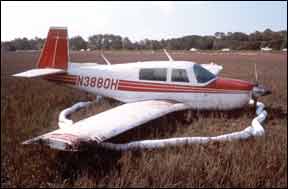
Whats It Worth?
Wondering just how to figure out what that “correct” market value is for your airplane? The first thing to understand is that there’s no magic number as much as there is a range. The exercise of value determination is bound to be somewhat imprecise, since were trying to predict what a willing but unknown buyer would pay for the airplane if it were for sale at some not-exactly-known time in the future. This is a horseshoes-and-hand-grenades kind of thing: You just have to be close.
Airplanes are like houses in that even the ones that start out alike change over time. Some airplanes get more use than others. Some have the stock radios 20 years later, while others are extensively retrofitted with the latest avionics. Given the high percentage of a light airplanes value that can be made up of engine, avionics and paint, two airplanes that left the factory on the same day 15 years ago can have values that differ by 50 percent.
Fortunately, there are a number of industry indexes to help determine what that value range is. The Aircraft Bluebook Price Digest and V-Ref are probably the two most widely used. In addition to providing retail and wholesale prices for a given model, theyll also provide adjustments for engine time, avionics and other optional equipment. These guides also provide information on the costs of overhauling engines and values for aircraft conversions.
If you don’t have access to a value guide, your insurance provider will. Guides are an excellent place to start, but if youre still wondering if the number you come up with is in the right zone, talk to a dealer or broker whos familiar with the type of aircraft you own. This will give you a sanity check on the book numbers and may identify an airplane that has a market value higher or lower than what the book shows. (For an article on appraised values, see the August 2011 Aviation Consumer.)
Used aircraft values fluctuate depending on factors ranging from the price of new airplanes or the price of fuel to accident history to change of seasons. As fuel prices have increased, for example, certain types of fuel-efficient singles have become more valuable relative to light twins, which are a bargain to buy, if not to operate.
Publications such as Trade-A-Plane are also a source, but remember that youre looking at prices asked by sellers and you’ll have no way to know what airplanes actually sold for, or if they sold at all.
Contract Language
The reason that we spend so much time coming up with the correct number has to