











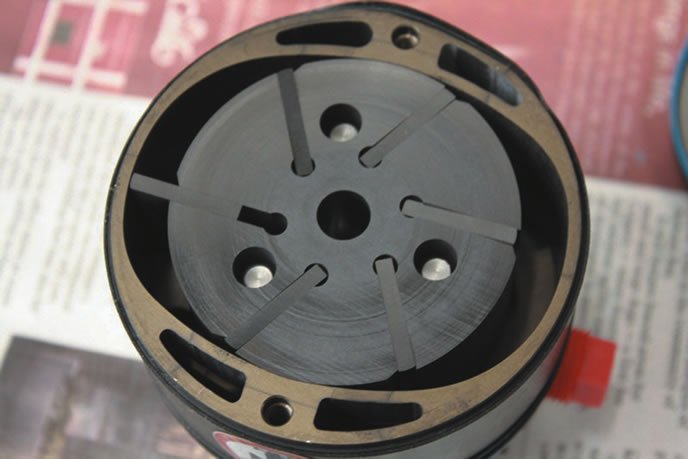
While glamorous glass cockpits are probably the wave of the future, in the real world the vast majority of airplanes still sport round-dial panels with gyros spun by air pumps that either suck or blow. We tend to collectively call them vacuum pumps, although on most Beech aircraft they are pressure pumps. No matter the appellation, they are turned by the accessory drive of the engine.
We only seem to pay attention to the air pump in our airplane when it fails—and unless we have a low vacuum annunciator light on the panel, we may not notice for some time, which can have ugly implications as the air-driven gyros spool down. After a spate of loss of control accidents in the 1980s blamed, at least in part, on inflight, in-clag failures of air pumps, a lot of attention was paid to that accessory and much effort went into improving their reliability. From what we can see, the efforts were successful, at least in part.