










Register

Garmin GLO: Dual-System Remote GPS

The GPS chips found in consumer-grade products like the iPad seem to suck less than they did two years ago, but there’s still a bustling little market for external or remote receivers like the new GLO just introduced by Garmin. It’s called GLO, we surmise, because it’s the only remote we know of that receives both the U.S. GPS constellation and the Russian GLONASS system, both of which have 24 satellites on orbit. Garmin says this gives GLO a 20-second faster lock-on compared to a GPS-only receiver and the position update is 10 times per second and 10 times faster than the GPS chips used in most consumer electronics.With that many satellites in view, marginal position geometry is about impossible, so GLO’s signal calc sticks like glue. Whether this really matters or not is debatable, but if you’re relying on a smartphone or tablet to navigate, a better GPS engine makes sense if it’s cheap. And at $99 suggested retail, the GLO certainly is.

The GPS chips found in consumer-grade products like the iPad seem to suck less than they did two years ago, but there’s still a bustling little market for external or remote receivers like the new GLO just introduced by Garmin.
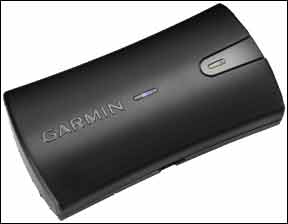
It’s called GLO, we surmise, because it’s the only remote we know of that receives both the U.S. GPS constellation and the Russian GLONASS system, both of which have 24 satellites on orbit. Garmin says this gives GLO a 20-second faster lock-on compared to a GPS-only receiver and the position update is 10 times per second and 10 times faster than the GPS chips used in most consumer electronics.

Paul Bertorelli

Paul Bertorelli is Aviation Consumer’s Editor at Large. In addition to his valued contributions to Aviation Consumer, his in-depth video productions on sister publication AVweb cover a wide variety of topics that greatly contribute to safety, operation and aircraft ownership. When Paul isn’t writing or filming, he’s out flying his J3 Cub.