









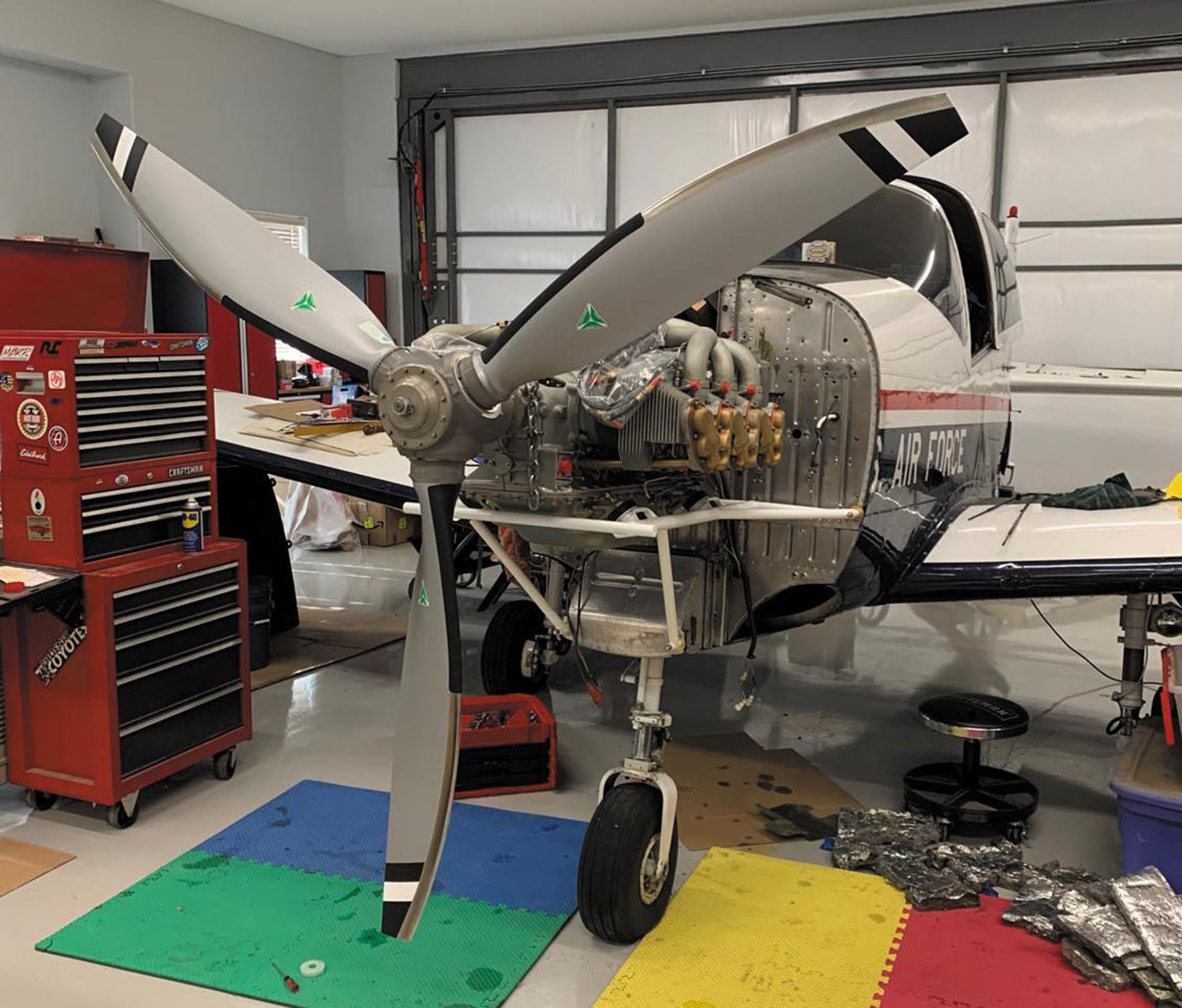
Like a first-time homeowner buying more house than the checkbook can handle, it’s easy for first-time airplane owners to end up airplane poor. And it happens fast and hard, especially in a supply-starved market when an owner pays big and a prepurchase inspection fails to spot trouble areas. That’s a setup for the surprise of eye-widening maintenance invoices in the first year or less of ownership. The list of potential gotchas is long and with complex machines, the stakes are higher. From tanked engines to airframe corrosion and structural problems, to troubleshooting and replacing avionics, autopilots and instruments, an unexpected hangar queen puts a damper on the excitement of first-time ownership. And so when my friend Steve got serious in negotiating on an old Skyhawk that he and his wife hoped to enjoy in their retirement years, I took interest in helping with the prebuy process. I can see why the guy lost sleep along the way. Even with a simple 172 with a 180-HP conversion, he had a lot to lose, while a middle-man sales broker added another layer of complexity in negotiating squawks.
The first thing I noticed in the aircraft’s records was that FAR 91.411 and 91.413 inspections and sign-offs hadn’t been accomplished in years. Since the aircraft was represented as being IFR capable, the 91.411 pitot static and altimeter checks had to be done, plus without the 91.413 transponder sign-off, the new buyer couldn’t even legally fly the aircraft home. Legalities aside, these checks are important particularly for older planes because they uncover leakage in the static system and problems in the pitot static instruments. The work that’s often required to get an old system up to snuff can be extensive, especially in troubleshooting and fixing leaks, and it is what big invoices are made of—especially if replacement instruments are needed.