











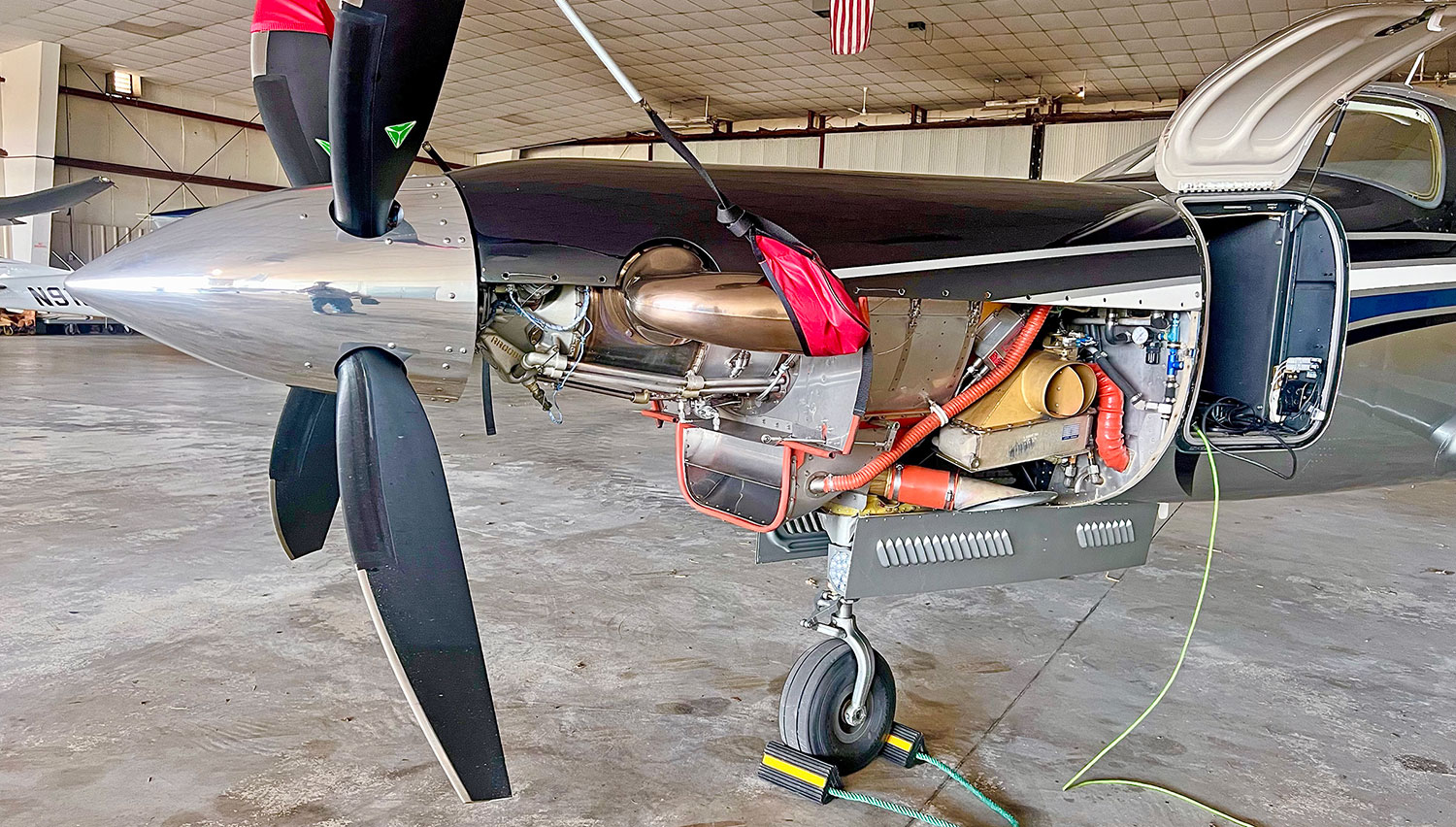
Again and again when we research the NTSB accident reports for the magazine’s Used Aircraft Guide feature, we find wrecks that might have been avoided if it weren’t for maintenance errors. The causes are all over the place—from improperly installed components on engines to mistakes made when working on the airframe and control surfaces. For certain, the risks are much higher on flights fresh out of maintenance.
It’s far from a new problem. Intended as another layer of backstop, the FAA in 2018 required the higher end of the market (Part 121 ops) to have a Safety Management System, or SMS, in place. It’s an FAA requirement worth watching for the rest of us. In FAA language, SMS is in part “a program that promotes a defined structure and a learning culture within an aviation organization that continually seeks and analyzes information, then turns that information into action that eliminates or mitigates safety risks before they become unwanted events.” That’s a lot of words (and extra work for the operator) for essentially developing a quality program intended to reduce mistakes, and it will trickle down to Part 135 and Part 91 (for-hire) ops soon, though some Part 135 operations already have a similar concept in place. FAA repair stations also have similar quality procedures in the ops specs, but many plain-vanilla repair shops might not.