










Register

Cirrus at 25: A Safer Airplane?

A quarter century later, it's fair to ask: Well, was it? The easy answer is yes, it was and is. But with a host of safety features such as crashworthy seats, energy absorbing structure, cabin flail space and the first-ever certificated airplane ballistic recovery parachute, Cirrus also implied that its new airplane would be safer, without actually saying the safest ever. So, how about that? Has it delivered on those claims? Answering that is not as simple as crunching the GAMA numbers to enumerate Cirrus' inarguable dominant market share. But with a quarter century of accident data to review, it's reasonable to take a stab at it.

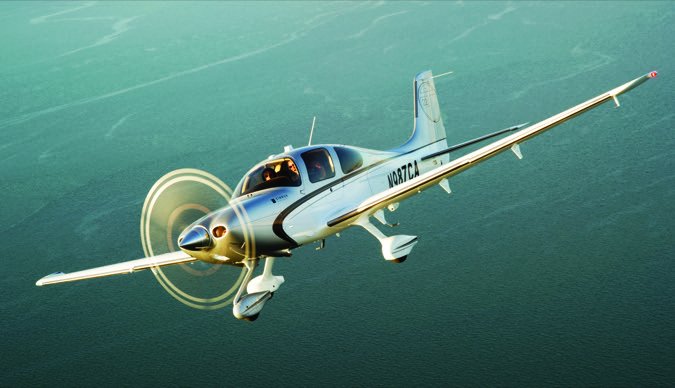
The year was 1994. At Oshkosh, a small kit airplane company whisked the wrapper off a four-place, fixed-gear composite airplane called the Cirrus SR20. Weeks of tantalizing promotion promised that the airplane, hidden in the shadows of “Hangar X,” would be nothing less than the future of aviation.

A quarter century later, it’s fair to ask: Well, was it? The easy answer is yes, it was and is. But with a host of safety features such as crashworthy seats, energy absorbing structure, cabin flail space and the first-ever certificated airplane ballistic recovery parachute, Cirrus also implied that its new airplane would be safer, without actually saying the safest ever. So, how about that? Has it delivered on those claims? Answering that is not as simple as crunching the GAMA numbers to enumerate Cirrus’ inarguable dominant market share. But with a quarter century of accident data to review, it’s reasonable to take a stab at it.

Paul Bertorelli

Paul Bertorelli is Aviation Consumer’s Editor at Large. In addition to his valued contributions to Aviation Consumer, his in-depth video productions on sister publication AVweb cover a wide variety of topics that greatly contribute to safety, operation and aircraft ownership. When Paul isn’t writing or filming, he’s out flying his J3 Cub.