










There is no shortage of aircraft engine overhaul purveyors out there appealing to a number of aircraft owners who are interested in engines with something special-something that says, “My engine is better than the run-of-the-mill overhaul.” Extras may mean outside flash, special parts, alleged attention to detail or tighter measurement tolerances. Plain, factory engines regularly make TBO, and problems en route to TBO are not often those that a custom engine build would address. Those are long times between overhauls and low utilization that cause corrosion, a cracked cylinder from a metal defect, or improper leaning technique leading to burned valves. Custom overhauls come with claims for more horsepower, greater reliability, smoothness or all three. In our view, the validity of these claims depends on the integrity of the shop, the size of your pocketbook and the seat-of-your-pants feel. 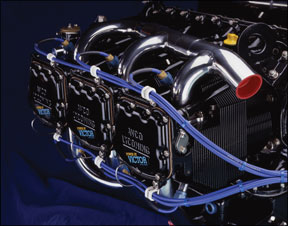
What You Really Get
Is a custom engine safer than factory standard? Probably not, but it could be more reliable than your old engine was in its prime if you elect to use redesigned, new parts.
Will it have more power? Probably some, but not significantly more than a standard factory engine. If youre swapping for a more powerful engine, such as the IO-550 for an IO-520, that will make a noticeable difference.
Will it be smoother? It probably will be as long as the enhancements are toward that design. If you push for a maximum power gain in an experimental at some race-oriented shops, its likely the engine will run less smoothly than the standard, factory engine.
Careful flow-matching of cylinders is helpful for smoothness as we’ll as real horsepower gains, but not a whole lot of shops have accurate flow benches and the skilled technicians to use them properly. Popular custom engine candidates such as the TCM IO-520 can be made to run smoother and a bit stronger just by simply doing lifter bleed-down checks and matching parts. Read the specifications carefully to see exactly what the shop will do in pursuit of that special engine.
Reliability is a wild card since we know of no independently verified empirical data on custom or what we call boutique engines. Even if there were, the way the engine is operated and how long its in service are more influential on the engine TBO life-as is the type of engine.
The extra-special measurement claim is more ethereal. We only have the overhaulers word that they do it and not much statistical data to show that it helps. Chrome and special paint color is purely an ego boost, in our view. We don’t buy that some of the special external treatments improve cooling.
The Quest for Power
In our view, hopped-up engines requiring an STC often are rarely worth the speed gains they achieve for the average flyer. They often lead to unanticipated issues, like lowered resale value and reduced range. We watched a 350-HP, Lycoming-powered Bonanza languish in
Trade-a-Plane for months as the price kept falling and falling.There are exceptions. If your engine is down for overhaul, there are some STCs that make sense, such as making a 150-HP Cherokee 140 into a 160-HP one with a minor piston change. The IO-550 for IO-520 swap is also popular but does require an STC. Its costly because a prop swap is involved, but if you can afford it, we recommend it as a step-up with a better engine.
Extra power claims without an STC in rebuilt engines have a catch: If the total result of tweaks exceeds 10 percent of the manufacturer-rated power specifications, or if it constitutes using other than manufacturer-approved parts or PMA equivalents (specified in the parts manual and amended by any new factory bulletins), then an STC is required for certified aircraft. An STC is not something an individual would want to tackle, bureaucratically or financially. Horsepower gains of less than 10 percent wont give dramatic speed increases. Improved climb might be noticed. Of course, you’ll pay for any extra power with extra fuel use. (Slightly elevated fuel use is normal with any rebuild, but should improve to near book values as the engine gets we’ll broken in.)
The common term “blueprinting” is largely illusory in that shops are not privy to factory drawings and few shops are set up to do these “ultra” measurements. Its also not FAA-legal to alter the engine for certified aircraft from the factory configuration such as by porting and polishing. Removing casting flash is fine. No reputable rebuild shop would violate this.
Of course if you have an experimental airplane the world is your engine oyster. You can modify an engine and double the horsepower-and probably halve the TBO. Even Lycoming has a new Thunderbolt series for experimentals. A few high-end quality shops cater to such hot rod modifications including special parts such as Monte Barrett who has done engines for Patti Wagstaff and other aerobatic performers and racers (Barrett also does great work on certified engines).