









Register

Engines

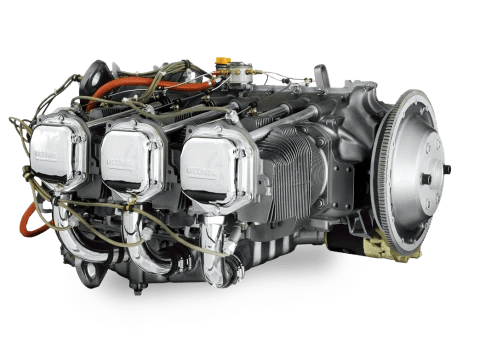
Lycoming Extends TBO to 2,600 Hours for Many Engines

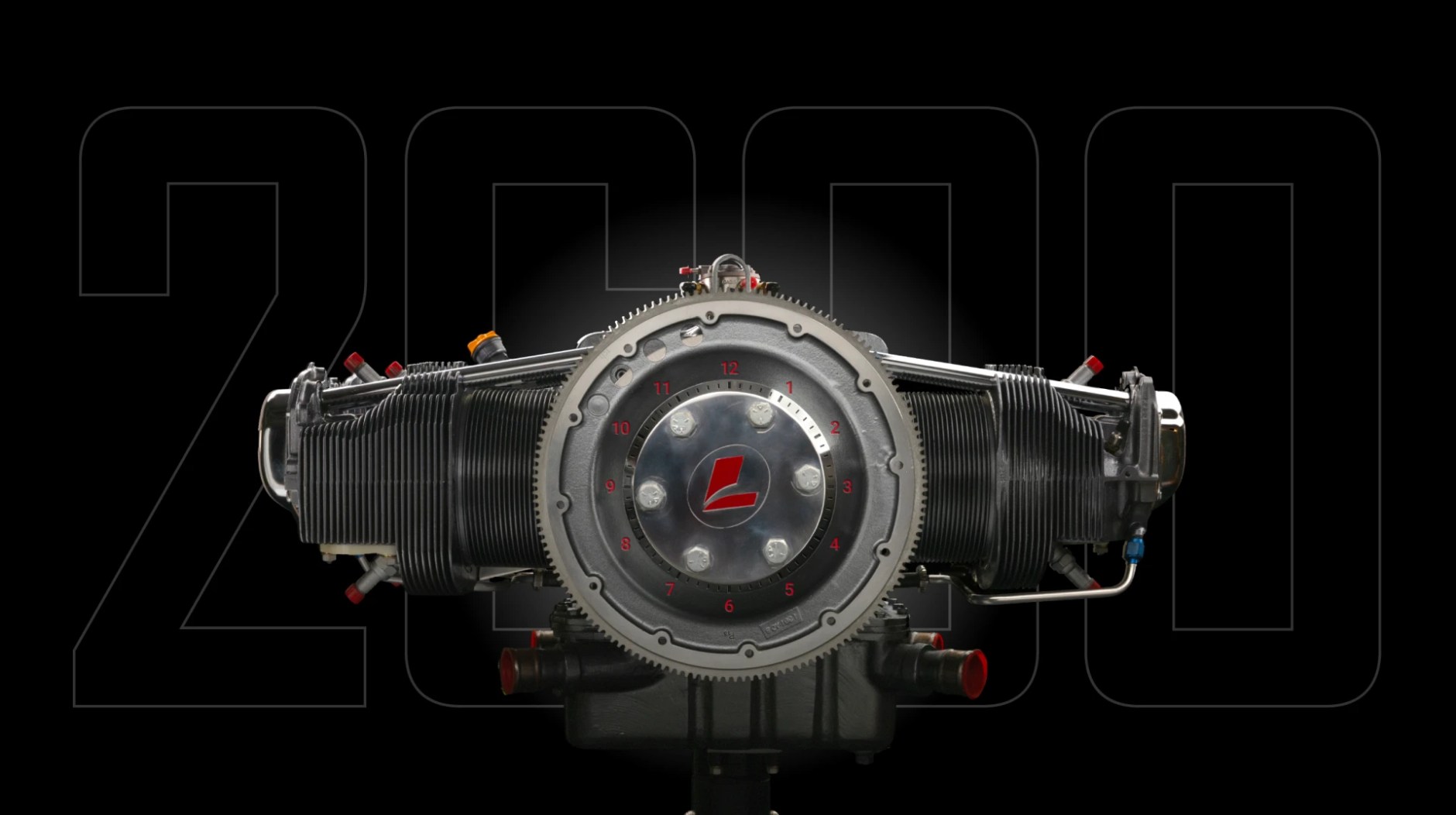
Lycoming Engines announced an 18 percent extension to the TBO, or time between overhauls, on many of its piston engines, giving owners of eligible aircraft hundreds of additional flying hours before their next overhaul. The company said it raised the base TBO for most of its factory-new and rebuilt engines for fixed-wing aircraft to 2,600 […]

Read More »

Swift Fuels Joins FAA Tech Center to Accelerate  Engine Testing Program

Swift Fuels is working with fuel testing experts at the FAA’s William J. Hughes Technical Center in Atlantic City, New Jersey, to test its 100R unleaded aviation fuel on seven high-performance aircraft engines. Among the company’s goals are the addition of these powerplants to the growing list of those with FAA approval to run on […]

Read More »

FAA Approves Many More Aircraft and Engines for Swift Unleaded Fuel

The general aviation fleet’s planned transition to unleaded fuel is picking up steam. Swift Fuels announced that the FAA has expanded its list of piston aircraft to run on the company’s 100R unleaded avgas. The agency has added more than 1,200 engine models and 1,600 airframe types to the fuel’s supplemental type certificate (STC), affecting […]

Read More »

Lightspeed Tunes ANR to Boost Cockpit Comfort in BRP-Rotax Powered Aircraft

Most pilots know a Rotax engine when they hear one because their sound differs in frequency from that of traditional piston aircraft engines. Now, for the first time, pilots who fly Rotax-powered aircraft will have easy access to an active noise reduction (ANR) profile tailored to their engines. Lightspeed Aviation and BRP-Rotax released a new  […]

Read More »

CubCrafters Boosts Flight Performance With Software Upgrade

If you could “hot-rod” your airplane to improve its performance without turning wrenches, wouldn’t you give it a try? While automotive enthusiasts have long used electronic tweaking to fine-tune their cars’ top speed, acceleration, and other traits, pilots have not always had as many options. Now CubCrafters is offering a performance-enhancing software upgrade for its […]

Read More »

Garmin Rudder Bias: VMC Rollover Protection

Multi-engine airplanes offer more speed, more payload, more sophistication, and to many, a perceived increase in safety. Face it: In a single, if you lose an engine your options are limited to a forced landing. In a piston twin, that second engine typically won’t give you much (or any) climb and might not even be […]

Read More »

Traffic Interfaces: TAS Still Beats ADS-B

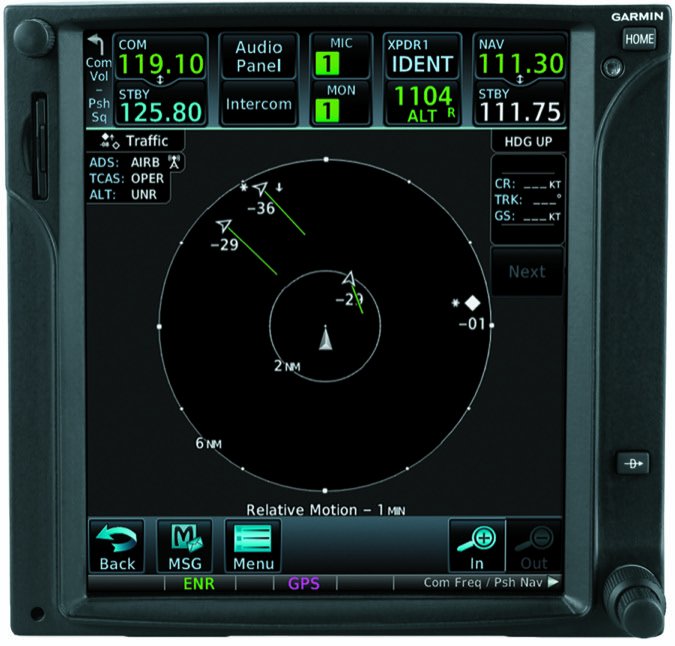
Before even talking with your shop about a traffic system retrofit (including ADS-B) you need to wrap your head around the various technologies and their limitations. Based on the correspondence we get and in talking with other pilots, traffic systems are more common now than ever (mainly because of portable ADS-B), but not everyone understands precisely how their setup works. By clearing up the confusion, you can better interpret the data and even help ATC when they issue traffic advisories. For starters, correctly state the system you’re using to avoid the confusion.

Read More »

New ADS-B Portables: Price for Every Purpose

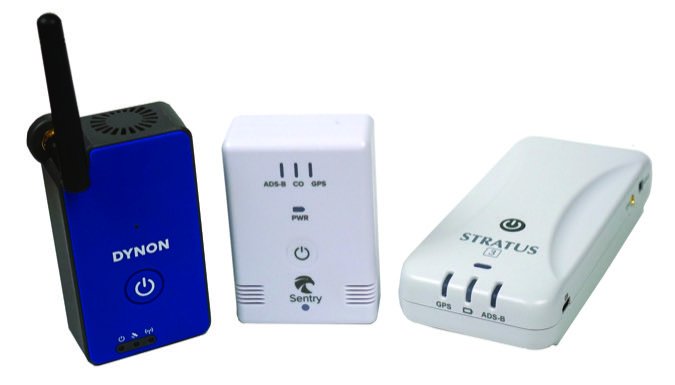
The Stratus is still out there, but now in its third generation and with open architecture so it works with other apps. ForeFlight’s new product is the $499 Sentry, a diminutive box that combines a dual-band ADS-B receiver with a carbon monoxide detector, plus AHRS. uAvionix – they’re the guys everyone is waiting on to deliver the wingtip- and tail-mounted ADS-B Out units-designed and builds the Sentry for ForeFlight. Once again, it works only with that app. In concert with its push to establish a market for mid priced panel-mount avionics, Dynon showed up at AirVenture 2018 with the DRX, which clearly aims to anchor the bargain end of the price spectrum. No frills on this one; just the dual-band receiver and a little case for $349 discounted, $395 list.

Read More »

Jet Shades: Efficient, See-Through

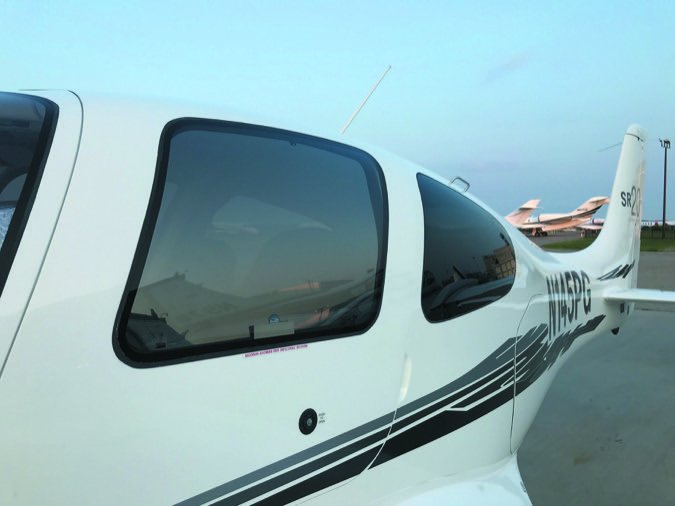
Since these are light-limiting tinted shades, you don’t want to be flying with the cockpit shades in at night. But in the rear cabin, we don’t see any real reason to remove the shades. In our estimation, they can replace foil sunshades that might be removed and reinstalled every time you fly and park. For some aircraft, that’s a time-consuming chore. And like traditional foil shields, the Jet Shades can protect the interior from cracking and discoloration while parked in the sun. Duggan said the Sun Shades are the only aircraft-purposed shades for cockpit use in flight.

Read More »