










Register

Traffic Interfaces: TAS Still Beats ADS-B

Before even talking with your shop about a traffic system retrofit (including ADS-B) you need to wrap your head around the various technologies and their limitations. Based on the correspondence we get and in talking with other pilots, traffic systems are more common now than ever (mainly because of portable ADS-B), but not everyone understands precisely how their setup works. By clearing up the confusion, you can better interpret the data and even help ATC when they issue traffic advisories. For starters, correctly state the system you're using to avoid the confusion.

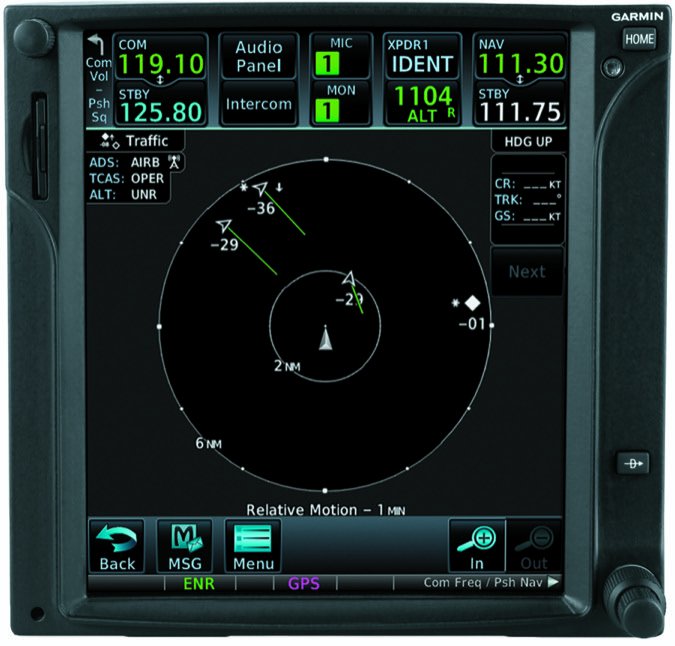
That’s a Garmin GTN750 displaying relative motion traffic vectors by the GTX345 ADS-B transponder and GTS800 active TAS/ADS-B system.

Selecting a traffic alerter used to be easy. For lesser budgets, there were toss-it-on-the-glareshield portables (remember the Monroy?), while big-league active systems like the Goodrich Skywatch TAS were for serious collision avoidance. The buying decision was muddied when Mode S datalink transponders came on the scene, and of course now there’s FIS-B through ADS-B.

If you still haven’t upgraded to ADS-B, but your aircraft has an existing traffic alerter (TAS or TIS-A) you could be faced with some confusing buying and interfacing decisions should you include ADS-B traffic in the mix. With a multitude of traffic sources, how might you logically display them so interpreting the data doesn’t cause confusion and worse, a midair?

Larry Anglisano

Editor in Chief Larry Anglisano has been a staple at Aviation Consumer since 1995. An active land, sea and glider pilot, Larry has over 30 years’ experience as an avionics repairman and flight test pilot. He’s the editorial director overseeing sister publications Aviation Safety magazine, IFR magazine and is a regular contributor to KITPLANES magazine with his Avionics Bootcamp column.