











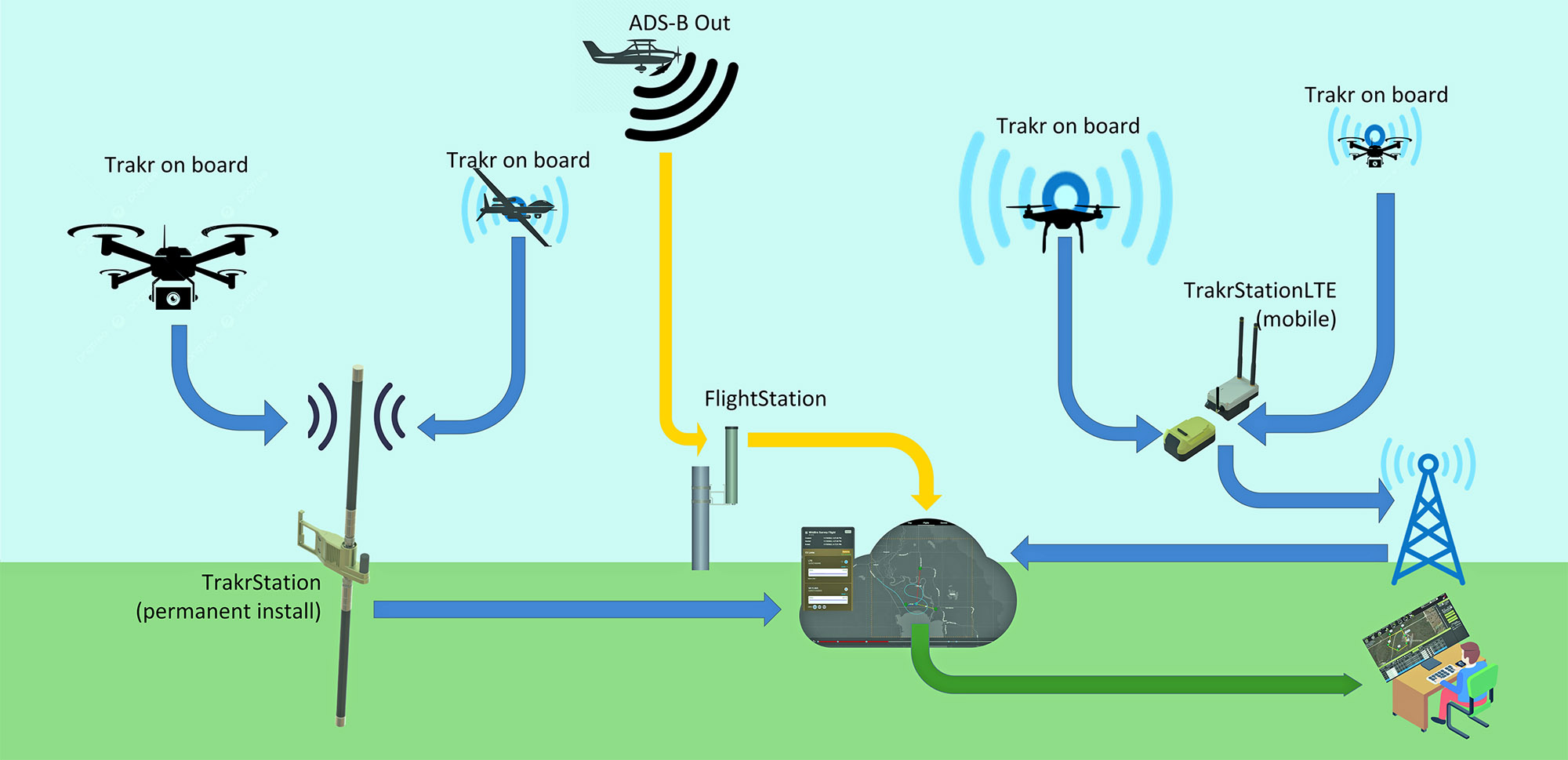
Frankly, I haven’t worried much about running into a drone as much as another aircraft—especially in some of the unruly traffic patterns at uncontrolled fields. But when a hangar neighbor rolled back in with a story of how she almost smacked a drone when landing at a small field in New Jersey, I reached out to Christian Ramsey at uAvionix for a real discussion.
You probably know the company for its popular sky/tailBeacon series of ADS-B systems, plus the AV-30/20-series retrofit flight displays, but before it ventured into GA avionics, uAvionix specialized in UAV electronics and its current products for UAVs are on the cutting edge and hugely popular in the unmanned aircraft avionics market. I asked Ramsey what the chances are of ingesting a drone into the propeller during a typical GA mission and while he admitted the chances are pretty low (he’s a fixed-wing pilot and Part 107 operator), I got the sense that the collision chances are increasing at low and slow altitudes because it isn’t like UAVs are going away. While the majority of drones flying around at low altitude are hobby drones, the tough thing about the hobby drone environment is that it’s probably the highest risk. Helicopters, agricultural ops and even seaplanes (I’ve seen plenty of drones zipping around lakes) don’t have a lot of buffer when it comes to a failed see-and-avoid situation. There’s a big pool of risk.