











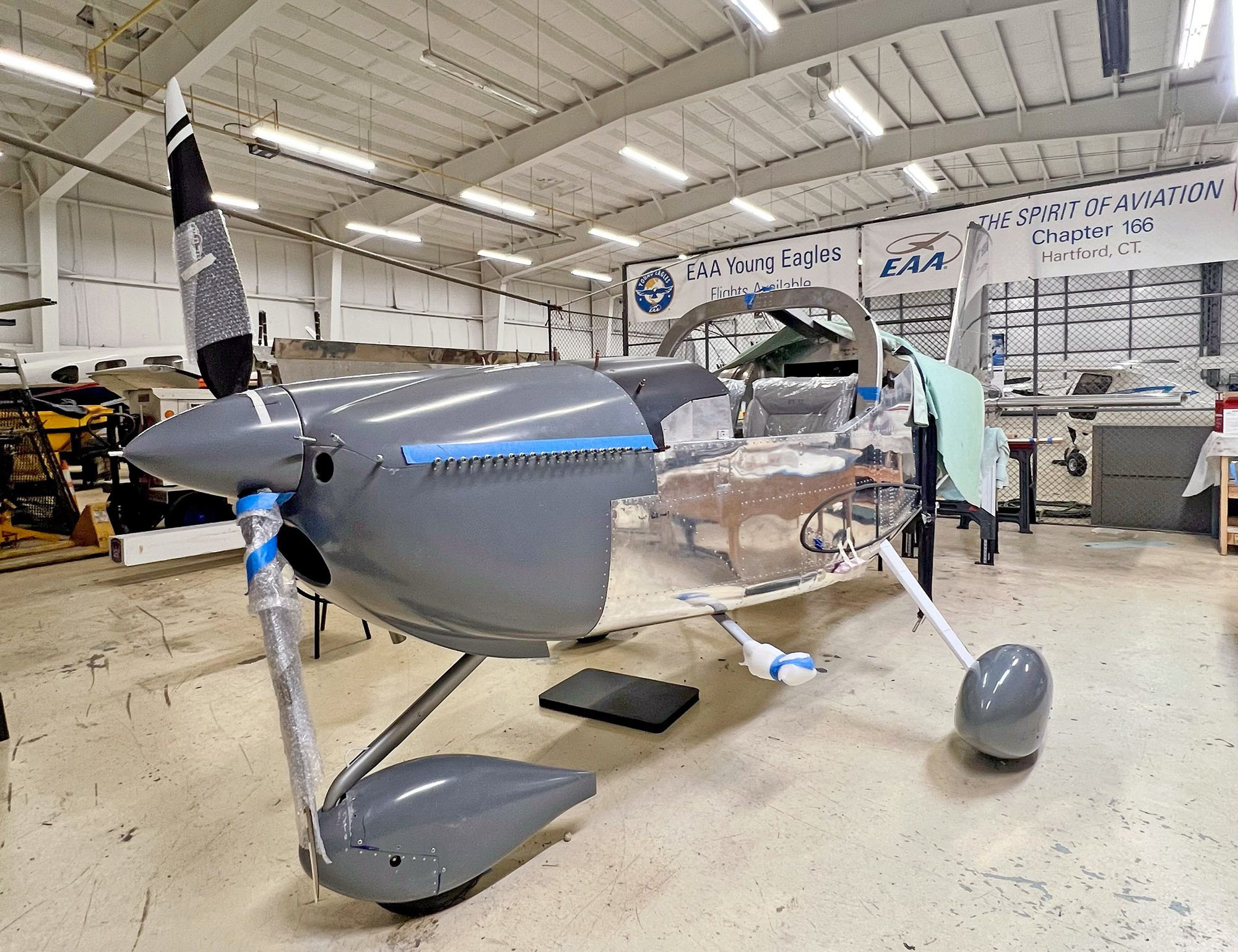
It’s only an RV-12—a little ELSA with 100 HP. A modern trainer. Years in the making, our early-gen 12 kit project is almost ready to fly and I’m already getting stomach cramps from the fear of ham-fisting the little bird around the local patch—free entertainment for the tower cab. Seriously, I’ve flown the little RV-12 enough to know that sitting up and flying right, I can sort of master it—and can’t land it like a Malibu or travel with it like a Cirrus, though it does have big-buck Garmin glass. Its handling and wing loading is arguably among the best of the LSA offerings because, well, it’s a Van’s RV. I know with slow hands and feet, the 750-pound-empty lightweight might be an easy prang into the weeds in the wind. It probably won’t work well carrying more than the 1.3 Vso approach speed of 53 knots. I’ll train hard to not break it. Meanwhile, with an eye on the FAA’s MOSAIC, insurance companies have been watching the wrecks and adding some LSA models to the higher-risk pool, especially ones with limited fleet size and supportability. Hate to say it, but the stats aren’t handsome.
When we dove into LSA safety in a field report a few years ago, we found the light sport segment definitely had a higher overall accident rate than that of legacy certified aircraft. The fatal accident rate, by our calculation, was also higher at 1.6/100,000 hours compared to 0.93 for all of GA. Our study sample comprised only about 2000 SLSA airplanes in the field since the mid-2000s, while legacy models date to the 1950s and total some 150,000 piston airplanes. Some data is slightly skewed because I’d bet there are plenty of LSA prangs that aren’t reported to the FAA or NTSB.