








Lets sa
As we reported in the September 2007 issue of
Aviation Consumer, finding replacement parts is getting to be an expensive chore. Often overlooked, particularly by owners, is the option of buying a used part from an aircraft salvage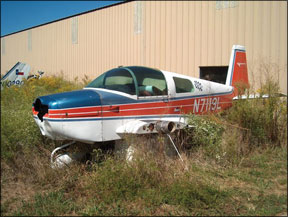
yard. Around the country, there are dozens of small and not-so-small businesses that deal in recycled airplane parts.
The list of salvage-part benefits is encouraging. The parts are made to fit, theyve already been tested, theyre already airworthy and legal and theyre ready to ship. Best of all, they cost half (or less) the price of a new part.
The downside is that theyre used and sometimes show it, they need to be inspected and may need some repairs or cosmetic work, depending on price. And you usually buy them sight unseen, so what you don’t see is what you get anyway.
How it Began
Aircraft salvage is an interesting industry. The modern version of it basically began in the 1950s, started by three entrepreneurs with a great deal of foresight and no small degree of business acumen. These were Terry White, Alan Paulson and Bill Duff. White and Duff are still in the business and are located in Bastes City, Missouri, just outside of Kansas City and Denver, Colorado, respectively. Paulson dealt mostly with larger aircraft and airliner parts and was based in California. “We started at the right time, what we call the golden age of aircraft salvage. Its changed a lot since then,” Terry White told us.
Salvage is also a huge industry, requiring equally large doses of capital, patience and savvy to actually make money. And like aviation itself, the salvage industry has changed significantly over the years and it continues to evolve.
In the old days, salvage usually meant an airplane was damaged and the insurance company would estimate the cost to repair versus the recovery of totaling the piece and selling it to a bidder. In a nutshell, here is how the industry worked: Bids were sent to salvors registered with the particular insurance company. Things like cause of accident, time on the airplane, registration number, avionics and location were given. The salvors then had to determine the value of the salvage, either by inspecting it personally, finding someone locally who knew airplanes to take photos, or getting a description of the piece over the phone.
The wholesale value of the airplane was determined through the
Aircraft Blue Book