









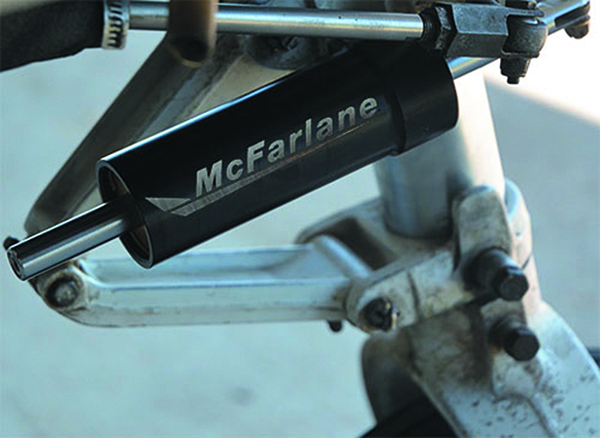
McFarlane Aviation, Lord for Nosewheel Shimmy

The typical stock nosewheel shimmy dampener does a decent job of taming minor oscillations, but the nosewheel on older airplanes (and Cessna singles in particular) eventually needs some care. When all other components are healthy, that often means replacing the shimmy damper (this is occasionally called a dampener), and two popular aftermarket upgrades come from […]
Read More »

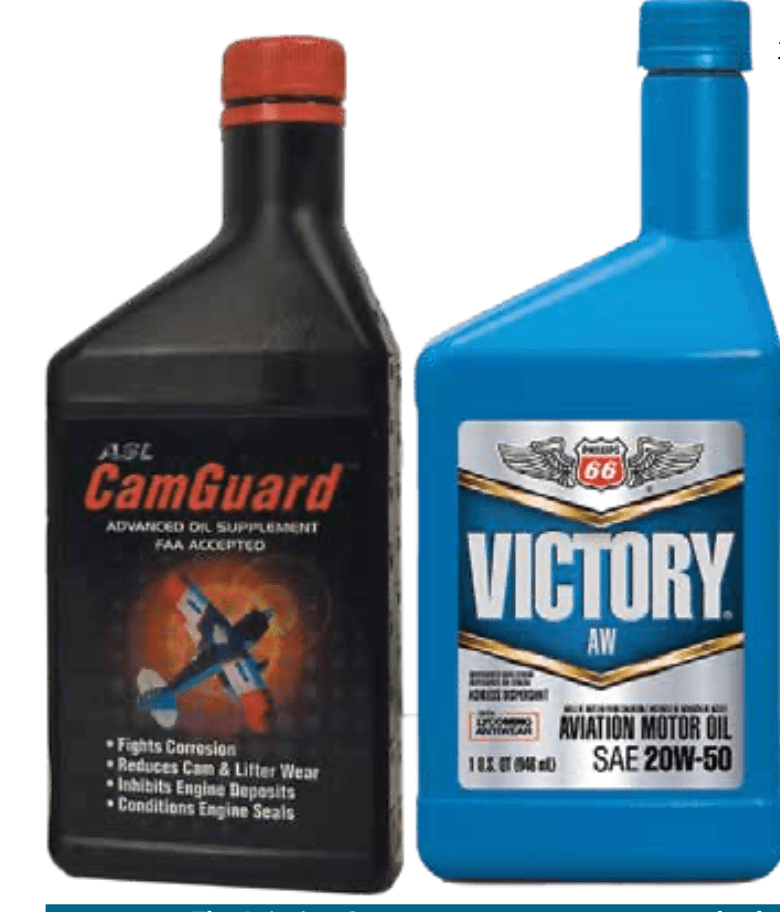
Phillips Victory Oil: Not a CamGuard Blend

Scuttlebutt and rumor—driven by ignorance, profit motive or competition—is that the Phillips AW and Plus Victory oils do the same thing as the CamGuard additive. This may be partially true with respect to anti-wear performance, but some buyers and retailers incorrectly interpret this as the CamGuard product actually being blended in with these oils.  In […]

Read More »

Cessna Pilots Association: Rising From The Ashes

The Cessna Pilots Association was at one time the largest Cessna owner type club, setting the standard for which plenty of other owner support organizations eventually followed. It flourished through the 1990s and we’ll into the new millennium, but the unexpected passing of its founder and president, John Frank, led to a near immediate technical […]

Read More »

Aftermarket Plastic: Quality On The Rise

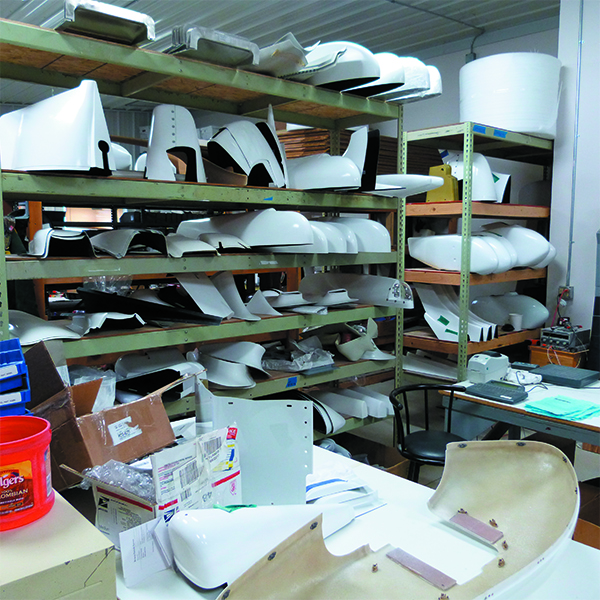
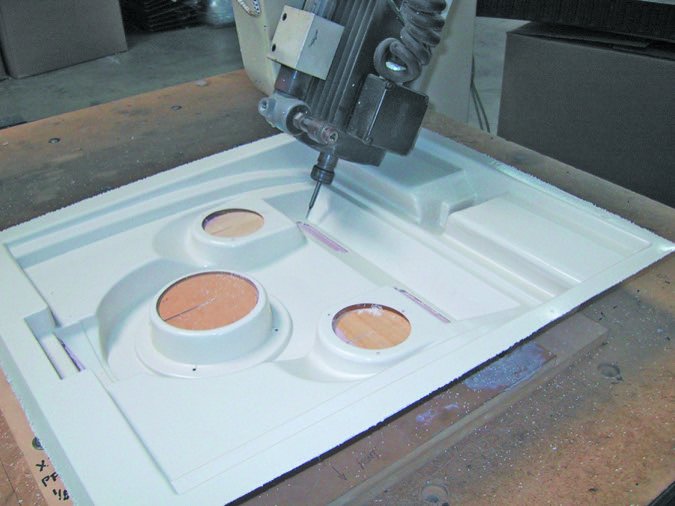
Venture on an aircraft refurbishment project—large or small—and there’s a good chance you’ll be replacing plastic parts. This is an important market because the majority of aging aircraft are decked out in old, faded, cracked and brittle plastic. Sun, vibration, temperature fluctuations and general wear and tear quickly take a toll on plastic components. The […]

Read More »

Hail Damage: Not Always Cosmetic

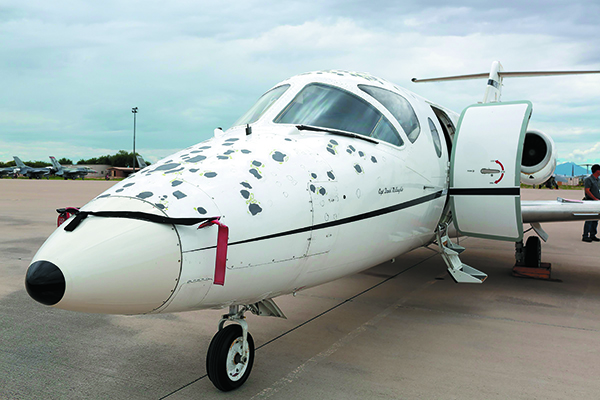
Hail-damaged aircraft are what salvage deals are made of. If you’ve dealt with hail damage as I did with my Grumman after an isolated thunderstorm peppered it on a transient ramp in Wisconsin, you know it can be ugly. Shredded fabric, trashed windshields and gaping holes in the skin are an expensive reality.  But minor […]

Read More »

Engine Lube 101: Weight, Temps, Analysis

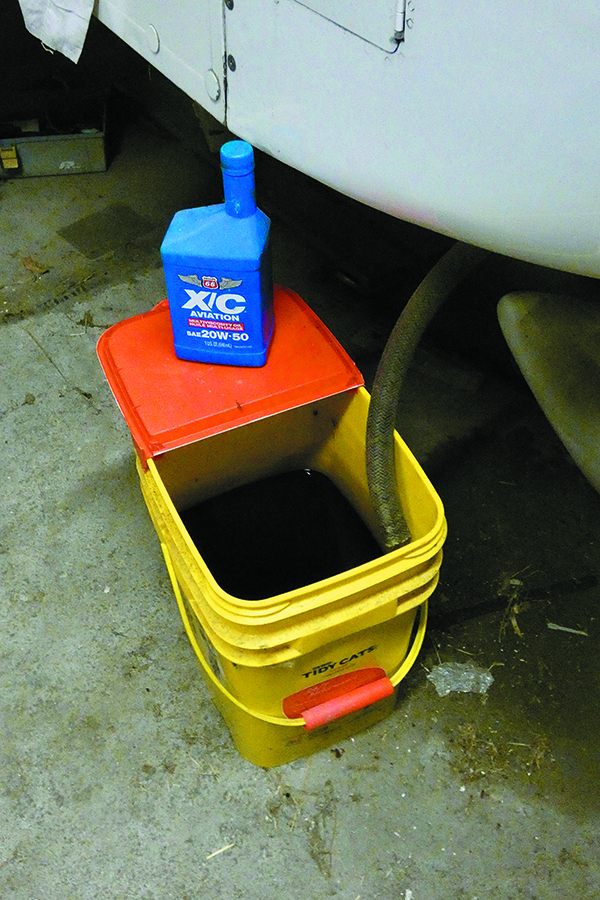
In my early days of airplane ownership, I might have been naive by today’s standard when it comes to engine oil. But it was stone simple—I flew my airplane, it needed oil, I bought some and changed it. Repeat.  Today, web forums are packed with endless threads where owners fret about filters, additives, change intervals, […]

Read More »

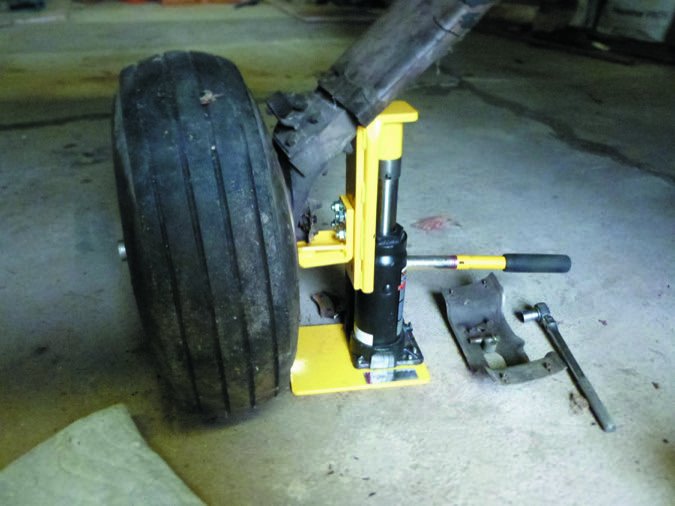
Tire Retreads: Strong, Cheaper

Aircraft tires are highly engineered and are remarkably strong for their size. They often go from 0 MPH to 80 or more MPH in an instant without distorting enough to come off of the rim, plus they have to hold pressure at these high speeds. If the airplane is a little cockeyed on landing, the tires sustain tremendous side loads, far greater than ever expected of an auto tire. The tires have to be balanced to eliminate wobble, which can be quite pronounced at landing speeds and can transfer vibration to the airframe, creating shaky rollouts. There’s plenty of engineering involved. The tires are designed by computer for different loads and speeds, and the tread design is optimized for landing on the different surfaces we see in our operations.

Read More »

Replacement Plastic: Lower Prices, More PMAs

Elevator tips, window trims, door panels and plastic parts that need to be removed for annual inspections might live the hardest lives, while others wear prematurely because they are prone to vibration. Parts that stick out might get hurt the most, and landing legs and fairings take a beating. Luckily, plastic parts can be repaired and some damage can be hidden, but eventually you run out of washers big enough to hide cracked or oversized holes. There’s no set lifespan for a given piece of aircraft plastic, but in general about every 20 years or so most plastic has degraded enough to require replacement. On the other hand, weve seen 40-year-old aircraft with original plastic components that look they just rolled off the factory floor. For preserving interior plastic, using cabin sun shields and covers is a huge help.

Read More »

Cessna Control Yokes: Inspect The U-Joints Now

The critical hardware that attaches an aircraft control yoke to the control surfaces should be inspected regularly, but if you own a Cessna, you might consider doing an immediate inspection.Thats because McFarlane Aviation in Baldwin, Kansas, recently issued a service bulletin for its FAA-PMA aftermarket universal joints that attach the control tube to the shaft for controlling the flight control surfaces in Cessna models. These are models ranging from the 120 to the 210.

Read More »

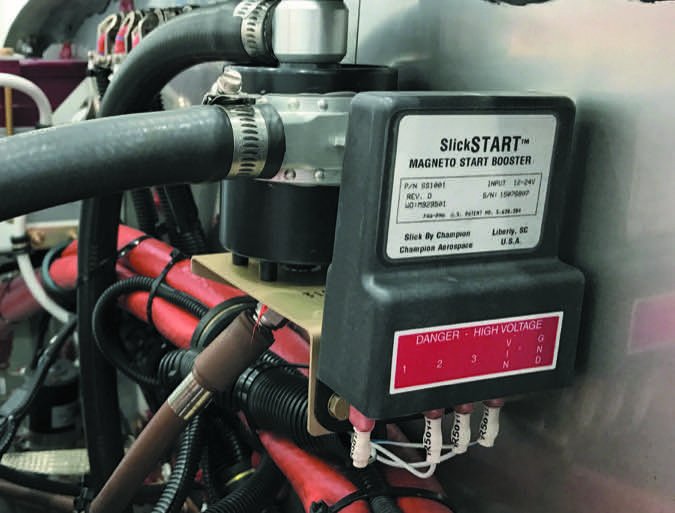
Engine Tough To Start? SlickStart, iStart Help

Cold starts, hot starts and over enthusiastic priming are just some of the scenarios that can lead to an airplane sitting on the ground because the engine refuses to fire. The best way to ensure a quick engine start is to boost the energy to the spark plugs because with enough spark, the fuel and air mixture will certainly burn. Champion Aerospaces SlickStart magneto booster promises to do just that. Heres how it works, plus an overview of aircraft piston engine ignition theory.

Read More »

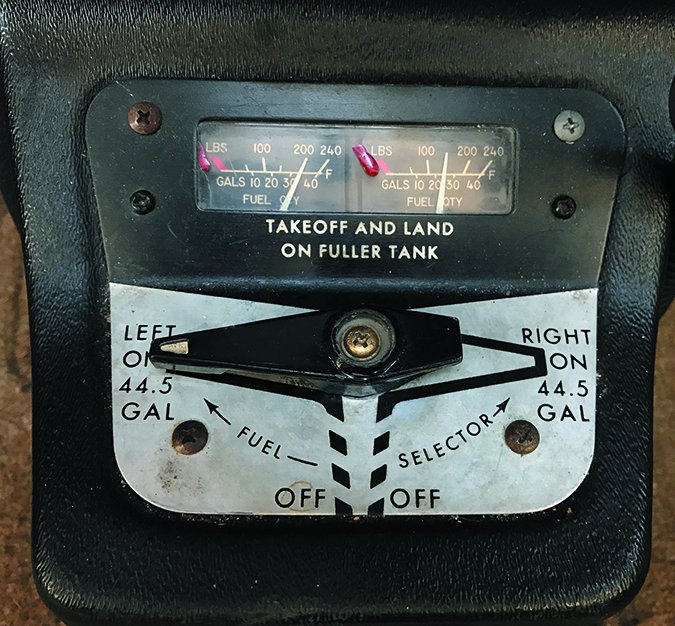
Fuel Gauge Upkeep: Parts Supply Is Good

Ignorance is bliss, but there’s a dark feeling when a pilot realizes there is far less fuel on board than the fuel gauges indicate. Get lucky like I once did and you’ll recognize the inaccuracies inherent with aging analog fuel quantity gauges when youre on the ground. The next step is chasing the problem, which means removing the instrument for testing and rebuilding and recalibrating the fuel measuring sensors in the tanks.

Read More »
Loading Posts