











The normally aspirated 200-HP piston single is a popular niche, filled with a variety of aircraft types. Each, however, comes in the same basic configuration of four seats, a constant-speed prop and-except for the Cirrus SR20 and the much older Beech Musketeer Super III-retractable landing gear. For example, this is where the Mooney 201 resides, alongside most Piper Arrows and Cessnas Cardinal RG, all of which were developed from earlier models with less horsepower and, except for the
Mooney, originally equipped with fixed gear.
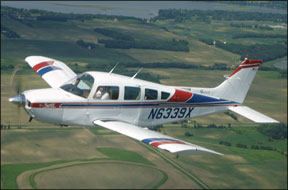
Beechs entry into this market-like its competitors offerings-was also a growth model, from the Model 23 Musketeer, in this case. Never a speed demon, the Musketeer and other models using the same basic airframe-and most any product from Beech, for that matter-are well-known for quality components and construction as we’ll as comfort. The end result, the Model 24R Sierra, isn’t the sleekest of the 200-HP crowd, and it certainly isn’t the fastest. It might be the most comfortable, however, and perhaps the most reliable.
History
Beechs Musketeer was the companys answer to the Cherokees and Skyhawks of the world. The first of that line, the Model 23, hit the market in 1963. Three years later, the Model A23-24 Super III debuted. With 200 HP and fixed gear, it wasnt nearly as fast as the same-power Mooneys of its day (the Arrow and Cardinal RG hadnt hit the market yet). In 1970, Beech made the decision to fold the A23-24s landing gear, dubbing the result the Model A24R Super R. The Sierra name came with the B24R in 1973. Also, Beech one-upped Cessna, Mooney and Piper by making the A23-24 and the 24R models nominal six-seaters, if so ordered from Beech; they cannot practically be retrofitted with the aft seat, due to structural differences.
It gained some speed, but still lacked some of the better, more utilitarian features that would make its successors much more likeable. It did, however, have the hallmark of all Beeches: it was comfortable (as in roomy) for the occupants. In a general aviation world where most designs crammed people shoulder-to-shoulder, this alone was a good selling point; the Sierra (and fixed-gear Sundowner) cabin is two inches wider than any Bonanza or Baron.
Optional in 1970, in 1971 Beech capitalized on the designs comfort by adding a second cabin door along with enlarging the baggage door and moving it to the left side. These changes made loading and unloading much easier. The split passenger seats could now be removed literally in seconds, for pets, bikes or cargo. Many also discovered the big aft door, with its child-resistant inner handle, was perfect for