









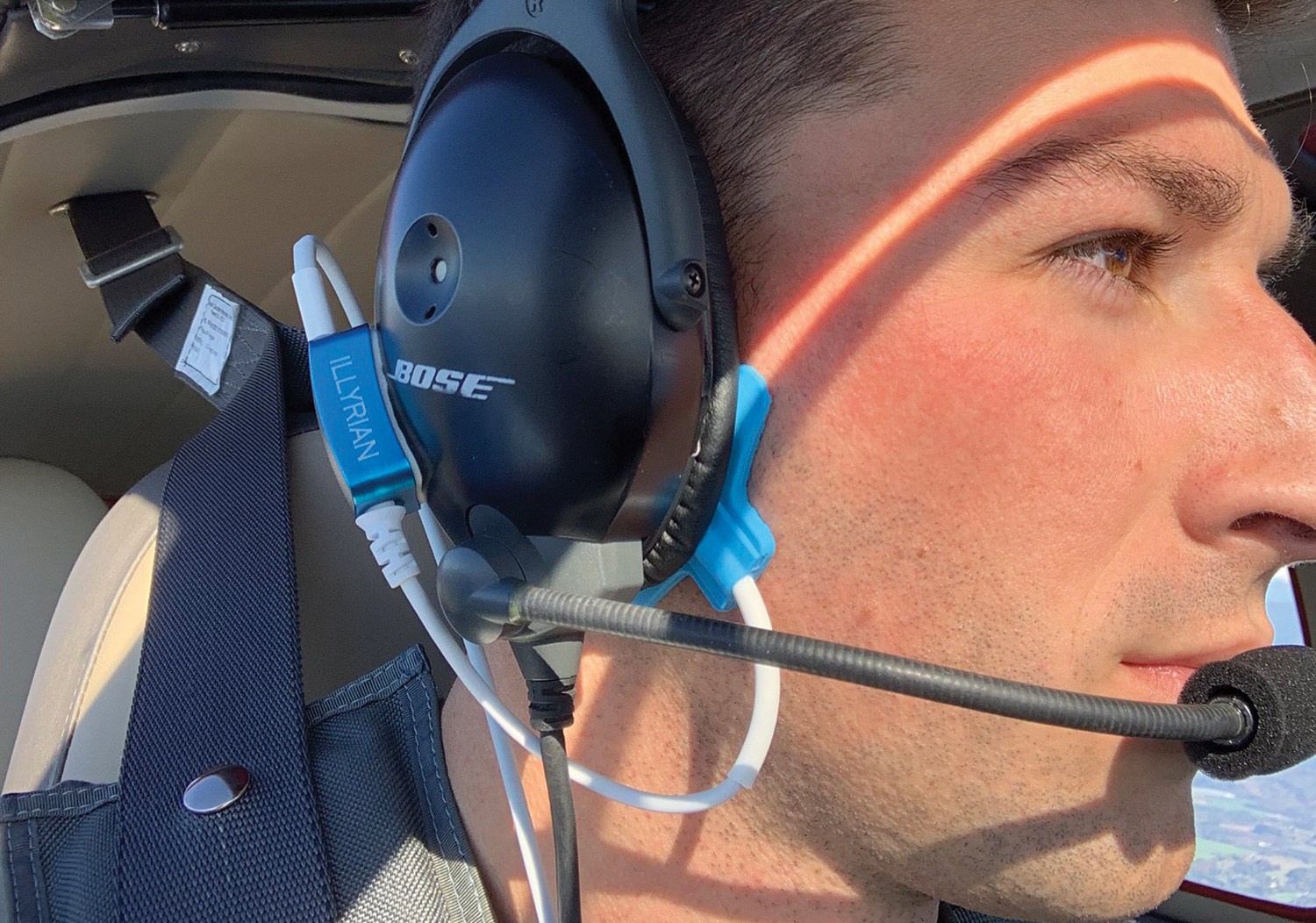
Headset Bio Sensor: Smart Alerting
Aithre’s Illyrian II Haptic Safety Wearable is an integral and useful biometric sensor within the Aithre ecosystem. Fewer wires would make it better.


Aithre’s Illyrian II Haptic Safety Wearable is an integral and useful biometric sensor within the Aithre ecosystem. Fewer wires would make it better.
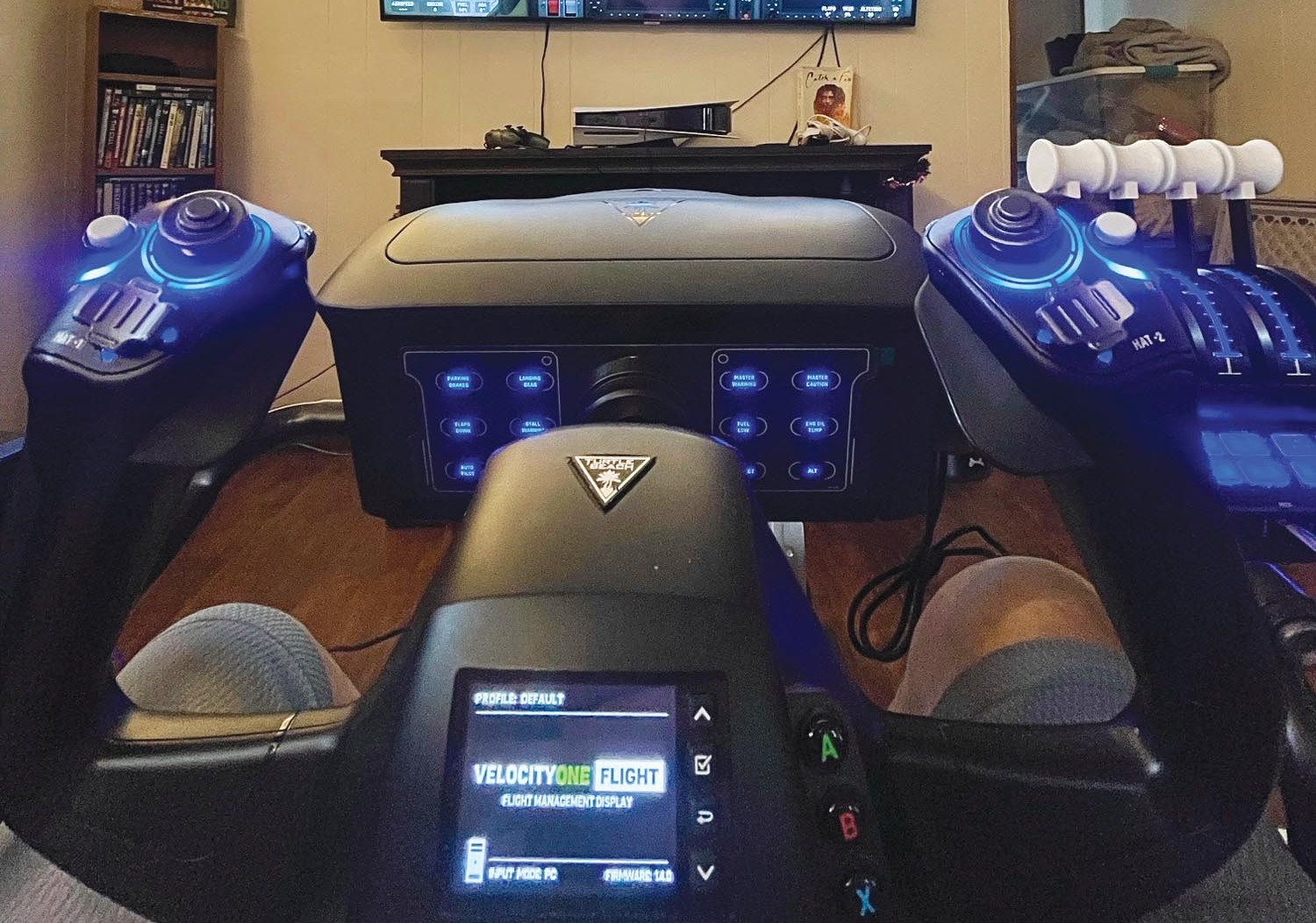
While you weren’t looking, computer graphics and new hardware kicked home flight sims up several notches, but lots of processing power is a must.
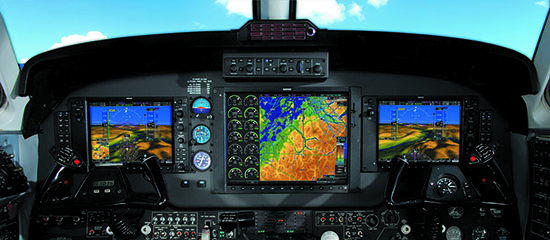
Instrument training decisions start with figuring out whether to train in an aircraft with a classic six-pack instrument presentation versus a glass display as we’ll as whether to step up to an airplane that meets the FAA’s standards for a Technically Advanced Airplane (TAA)—one that has a moving map display, IFR GPS and an integrated […]

You love flying VFR. Its freedom is intoxicating and the things you have seen … yet there are times it’s not so great. Such as the two nights in the fleabag motel and the two days running the battery flat on your phone as you haunted every weather site you could find while you waited […]
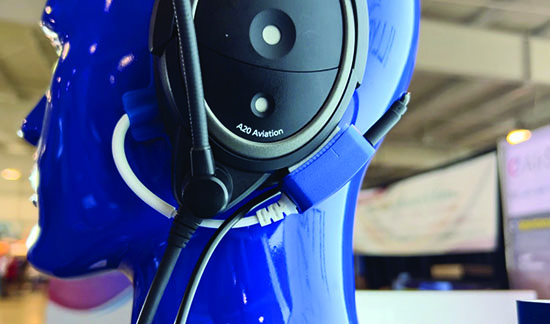
The Illyrian full-time wearable SpO2 sensor was one of Aithre Aviation’s first products, and it has been an important component in Aithre’s app (and panel display) cockpit biometric monitoring suite. Unlike finger pulse oximeters that require an alert pilot to use, the Illyrian’s continuously wearable earlobe pulse ox sensor fits under a headset ear cup […]

Most flight into known icing (FIKI) systems are only available for certified aircraft, and that limits the mission capabilities of high-performance experimental aircraft. Up in my Great White North region, that means popular go-places kit-built aircraft are often grounded when anti-ice-equipped certified ones might launch. Buenos Technologies of Redmond, Oregon, has developed a de-icing system […]

We have a bias when it comes to flight training: We think that high-quality training, at all levels, is essential to overall aviation safety. We’ve watched the quality of flight training increase over the last several decades and feel that it has played a role in the decreasing accident rate for all segments of aviation […]
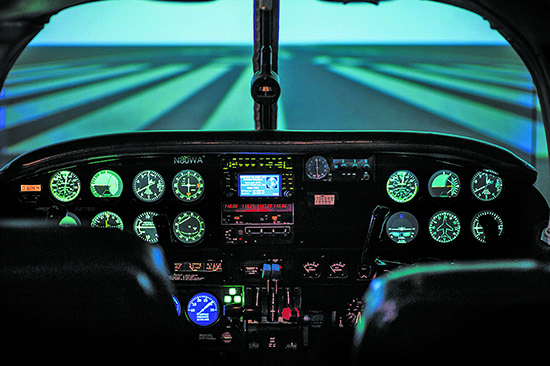
The combination of insurers watching accidents and resulting claims go down as the amount of recurrent training taken by pilots goes up has slowly but steadily caused more and more aircraft owners to discover that they must take some form of annual training to insure their machines. We’ll look at insurance requirements, how you can […]

We have long been interested in pilot training courses and their content, availability, quality and cost. We watched the quality and ease of use go up dramatically with the advent of the first video courses and get even better as they became internet-based and increasingly interactive. We pay particular attention to what we consider turnkey […]
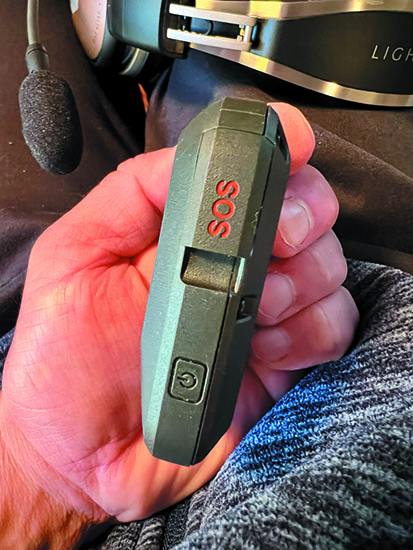
Just when we thought the market had enough personal satellite trackers, Garmin tosses the inReach Messenger in the ring. Think simple, small and fairly priced—all good things for those needing another layer of backstop when flying outside of cellular coverage. Like the other inReach models in Garmin’s lineup, the $299 Messenger uses the subscription-based Iridium […]
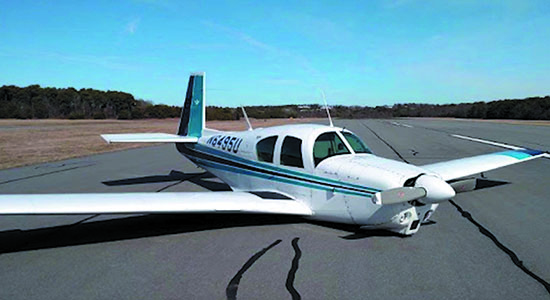
As the average age of general aviation pilots continues to climb—during a “hard” insurance market—we hear horror stories of pilots being unable to find coverage, having coverage canceled or facing premium price increases they simply cannot afford. As we started our look into the matter, we found consistent evidence that once a pilot hits 70 […]
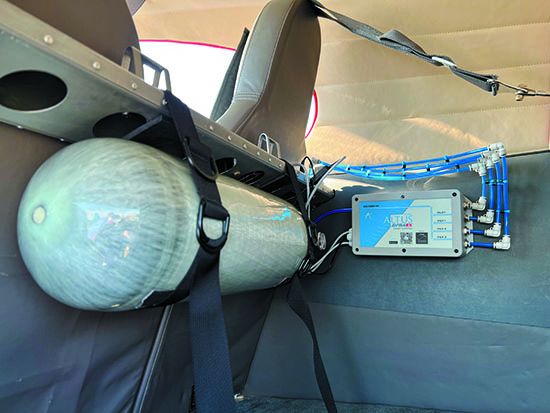
A deterrent for using supplemental oxygen—especially in tight cabins—is having to deal with the hardware, including the bottle and oxygen lines strung every which way. Aithre, which has been cranking out decent portable solutions, has developed a hard-mounted system called the AVI C. I took a look at the system at AirVenture this past summer where […]