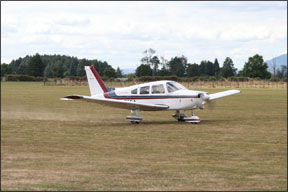
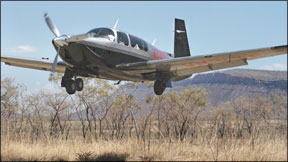
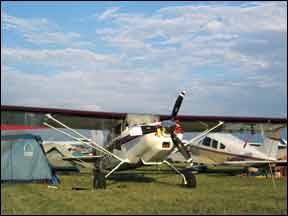
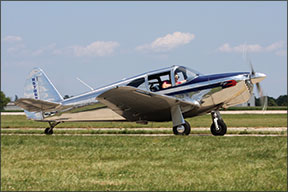
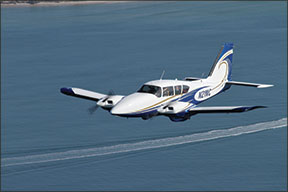
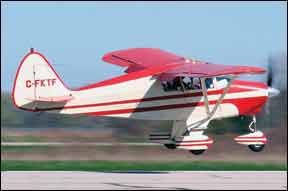
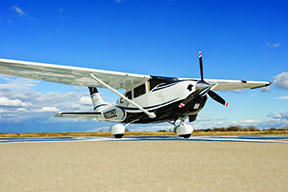
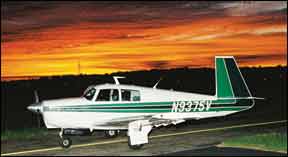
There was a time when almost all light airplanes had tailwheels. They were cheaper and lighter to build than nosewheel airplanes and, besides, “we’ve always done it this way,” has always been very powerful in guiding design decisions. In the little airplane world, save for a few non-conformists such as the Ercoupe, Navion and Bonanza, tailwheels ruled. By the late 1940s, the all-metal Luscombe had been around for 10 years, Beech and Cessna were going all-metal and the Piper Aircraft Corporation was seen to be lagging the field because it was still making its wide range of airplanes of mostly fabric stretched over a wood or metal frame. Piper had seen the popularity and safety of the few nosewheel airplanes that had been introduced and, needing to find a way to stay in the swim after the great post-war boom went bust, looked at what it could do with what it had. While the company apparently didn’t have the financial horsepower to develop an all-metal airplane quickly, it could convert its four-seat, conventional-gear Pacer to the tricycle-gear configuration, beating out the competing four-place designs from Cessna and Aeronca.