Used Aircraft Guide

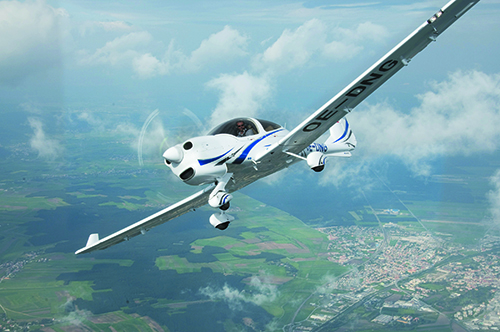
Diamond DA40 Star

You don’t need to spend much time with a Diamond DA40 to recognize its glider roots, which the company started out producing when it was Hoffmann Flugzeugbau. From the long efficient wings to the stretched-out seating and well-executed ergos, the four-place DA40 is sleek, efficient and has timeless good looks. The DA40 has a small […]
Read More »

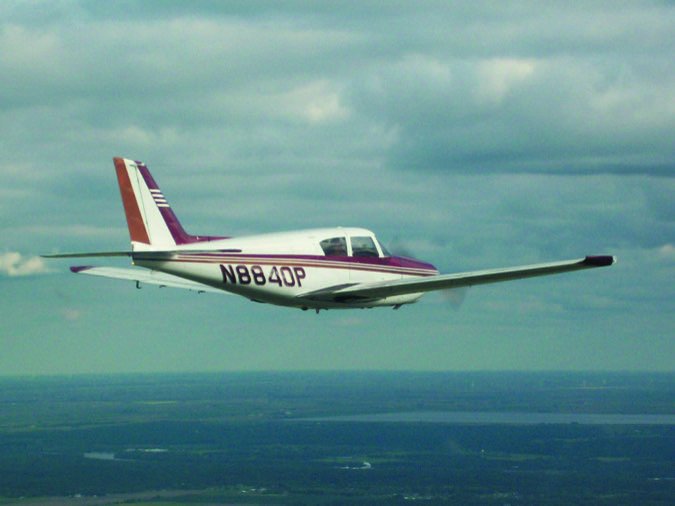
Piper Comanche

The original airplane had a 60-gallon fuel system. In 1961, Piper offered an optional 90-gallon system, which gave the Comanche 180 seriously long legs: nine hours, provided it was only loaded with the pilot, one passenger and a little baggage. Range remains one of the Comanche’s strong points and many have been fitted with even more fuel capacity in tip tanks and fuselage tanks to give it impressive endurance. In 1961, the gross weight of the 250 was boosted by 100 pounds. Electric flaps replaced the manual ones in 1962 models. Production of both the 180 and 250 ended after the 1964 model year. The 180, which obviously came second to its bigger brother in load carrying and was not selling as we’ll as the 250, was dropped altogether while the 250 was upgraded to the 260.

Read More »

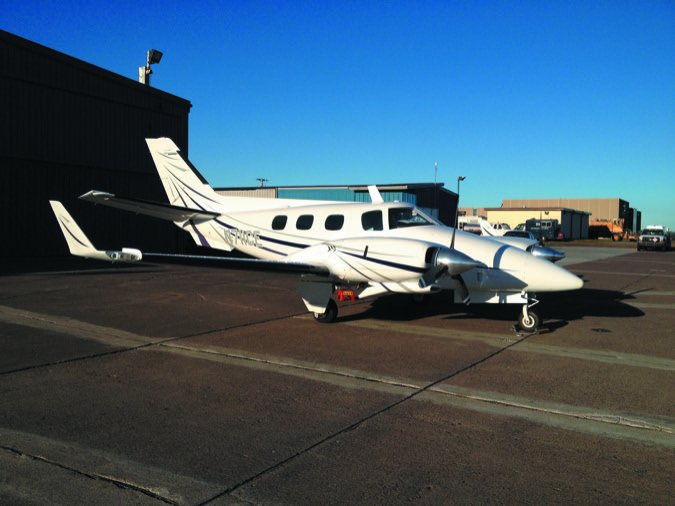
Beech Duke:

The model progression represents steady refinement, but the airplane’s configuration remained basically unchanged. In 1971, the Model A60 was introduced with a modest increase in gross weight (up 50 pounds from 6725 to 6775), but useful load and performance dropped a bit. According to book figures, the straight 60 is a much better short-field performer than the A60. However, Duke owners tell us those early figures were extremely optimistic, and that the A60 is only slightly inferior in takeoff and landing performance to its predecessor.

Read More »

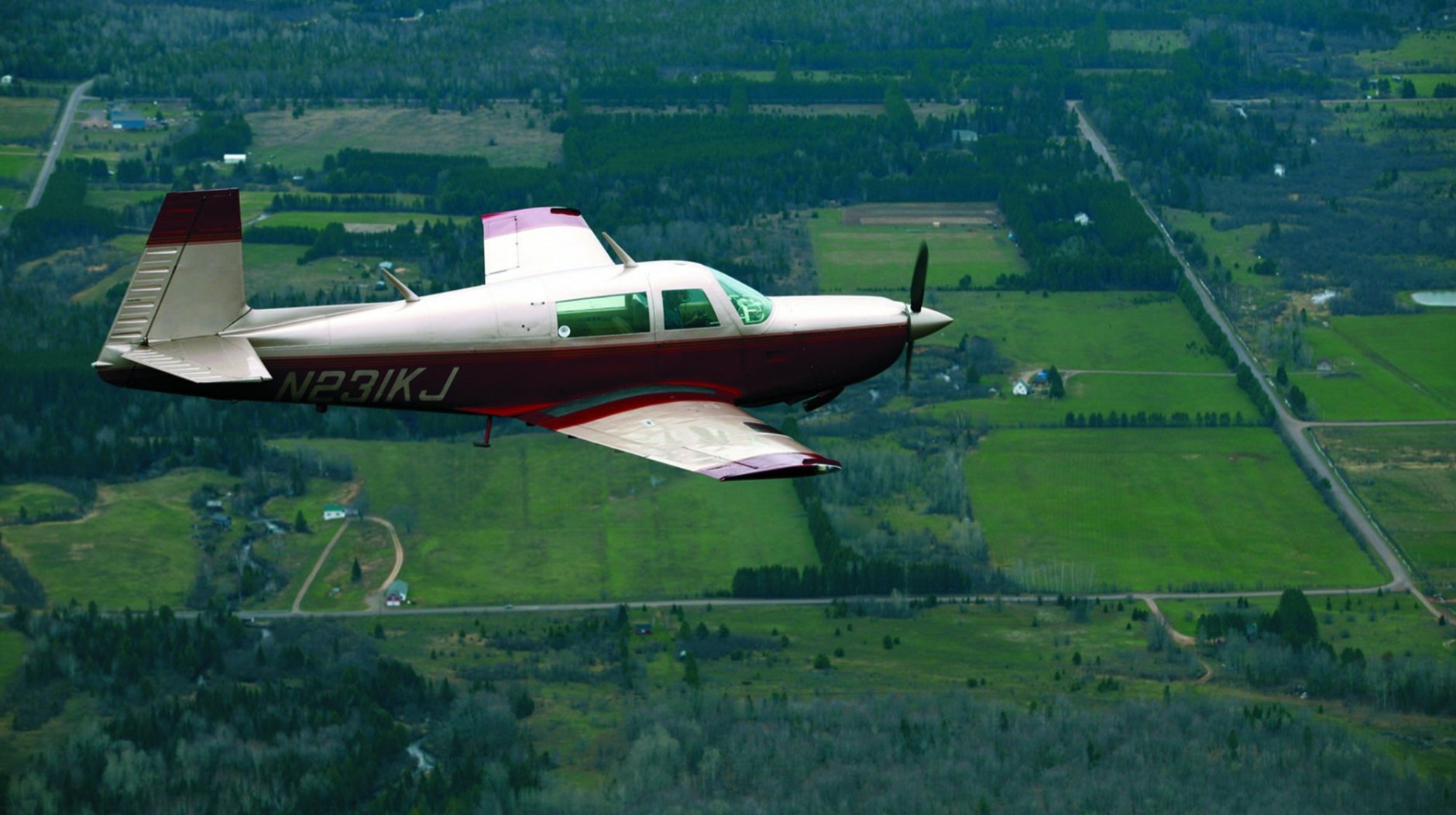
Mooney 231/252

Mooney came into the turbocharging game relatively late compared to other manufacturers. In 1966, Cessna pioneered the market with the T210 and made a strong showing in the single-engine, high-altitude market. Beech brought out the V35TC in 1966, but it was never as strong a seller as the A36. Mooney wasn’t completely flat-footed during the 1960s, introducing the 310-HP M22 Mustang in 1967, a big brute of an airplane that was as ugly as it was unsuccessful.

Read More »

Piper J-3 Cub:

To understand the significance of the J-3 Cub look all the way back to Piper’s Lock Haven, Pennsylvania, heyday, where William T. Piper was rightly seen as a visionary. But no one could have imagined how enduring that vision would be, to the extent that over 80 years later, several companies are building brand-new Cub clones that clearly trade on the mystique of the old yellow classic. Two that are front and center in the market are Legend Aircraft and CubCrafters. We think both companies nail the quality and support.

Read More »

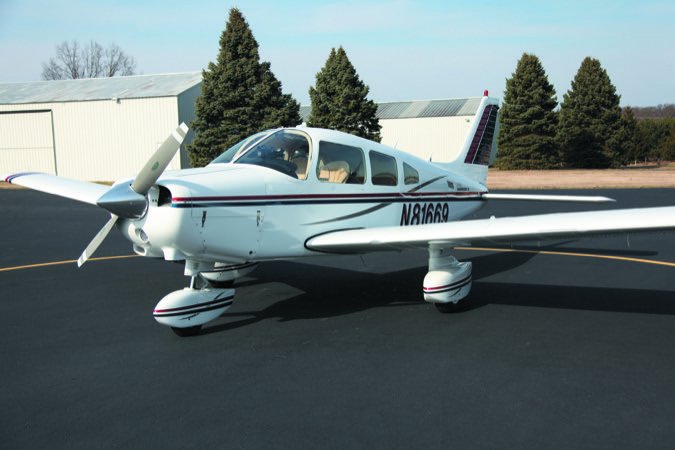
Piper Warrior

For a history lesson on the eventual success of Piper’s Warrior, look back to the alluring post-World War II boom, where major airplane manufacturers, to include Aeronca, Luscombe, ERCO, Piper and Cessna, among others, all eventually came to the conclusion that the future for mass-marketing airplanes was wrapped up in something that had four seats and on the order of 150 HP. Some manufacturers gave up after limited success, while Cessna and Piper went on to fight it out for decades, as Beech and Grumman-American tried to make inroads.

Read More »

Cessna 310

Cessna’s first post-World War II twin-engine airplane, the venerable 310 is a logical consideration for anyone looking to step into the world of piston twins. While it doesn’t come without some quirks, it’s roomy, stable and has cruise speeds that top 200 MPH.

Read More »

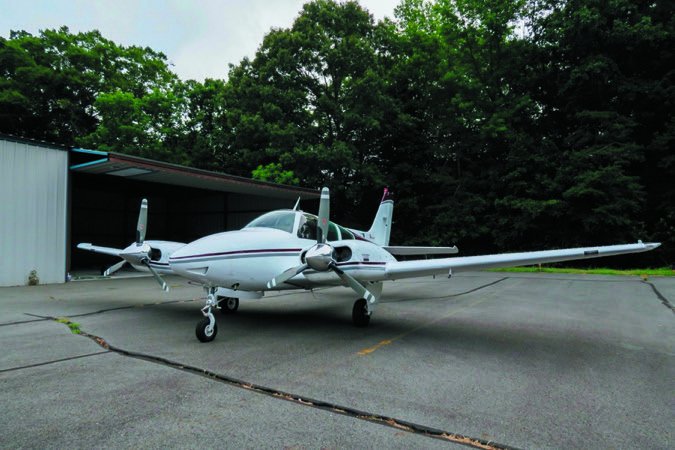
Beech Baron 55

All the way down to the basic Musketeer, Beech just took pains to get its airplanes’ flying manners a cut above everything else, and that applies in spades to the Baron series. Fly most any Beechcraft model and you will likely come away impressed with its sturdy feel, solid build and, especially, its satisfying handling. Even so, every aircraft company has to make compromises. In the 55 Baron, for instance, what many find to be pleasant handling characteristics can prove to be a handful in poor weather, or when the air turns green with turbulence. We shouldn’t have to reiterate that nothing comes for free, particularly in a higher-end Beech.

Read More »

Cessna Skymaster

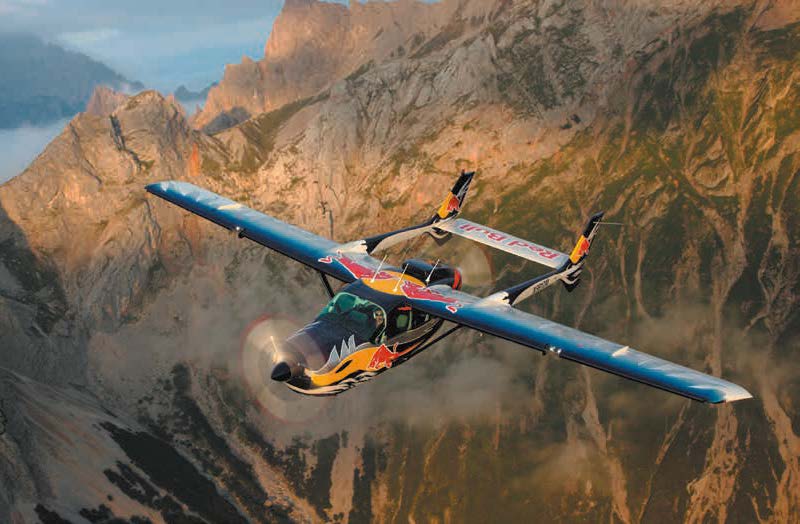
The Cessna 337 Skymaster is arguably the most commercially successful so-called push-pull attempt, at least in terms of numbers built. And although the 337 Skymaster isn’t the most popular twin ever marketed, it’s done just fine for itself and has achieved its primary goal: eliminating asymmetric thrust and simplifying the pilot’s workload in the event of an engine out. Unfortunately, as you’ll see in our accident scan on page 30, some Skymaster pilots find plenty of other ways to NTSB fame.

Read More »

Cessna 195 Businessliner

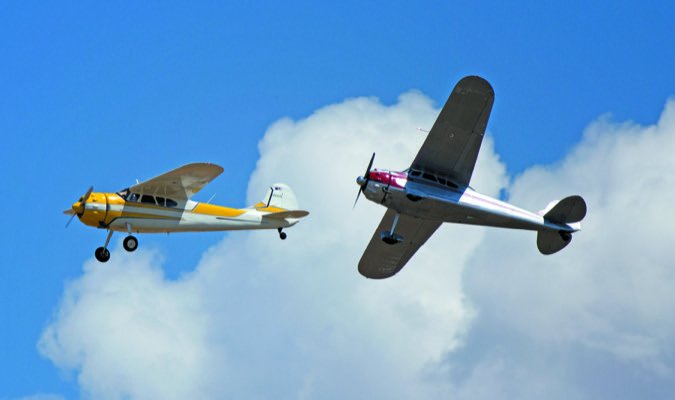
The venerable Cessna 190 series was not the first business aircraft by a long shot, although it was a first for Cessna. These days, for owners wanting to own a piece of aviation history, it is probably the most practical of classics because it’s a decent people hauler. Even better, it’s not overly expensive to maintain, compared to other classics, that is. There’s no fabric, and parts are generally available unlike other classic machines including the Beech Staggerwing, Spartan Executive and Stinson Reliant.

Read More »

Piper/Ted Smith Aerostar

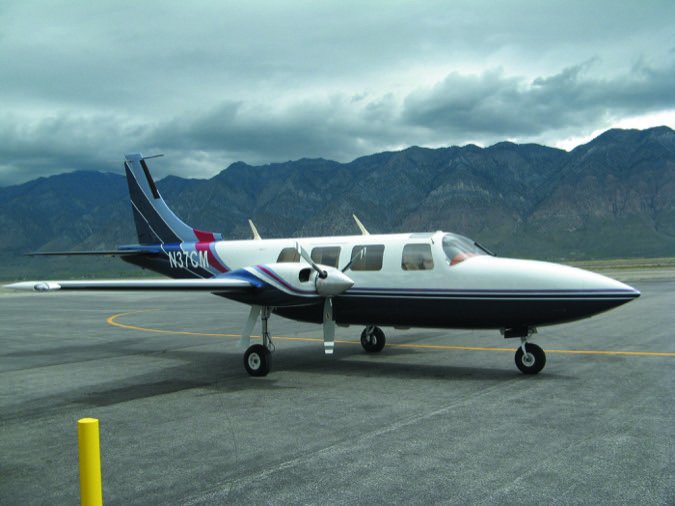
The Aerostar is the product of famed aircraft designer Ted Smith, whose name is attached to such classics as the A-20 twin-engine bomber and the Twin and Jet Commander lines. In 1963, Smith formed his own company to build a family of fast fliers, all built around the same fuselage, wings and tail. Five years later, the Model 600 emerged in 1968, with normally aspirated Lycoming IO-540 engines and a takeoff weight of 5500 pounds. A year later, the 601 appeared, with a pair of Rajay turbochargers and manually controlled, electrically actuated wastegates on each engine. With turbos, the engines could maintain 290 HP from sea level to 16,000 feet.

Read More »

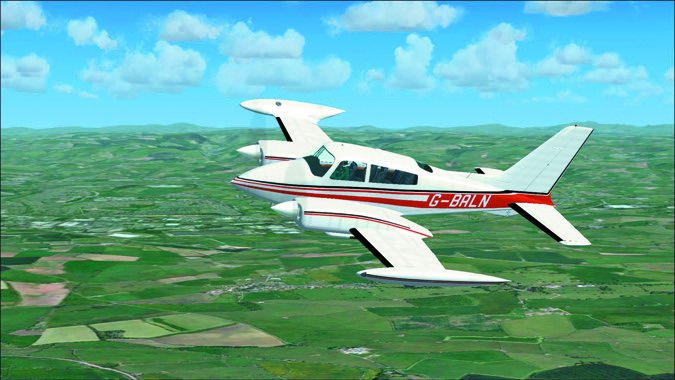
Piper Twin Comanche

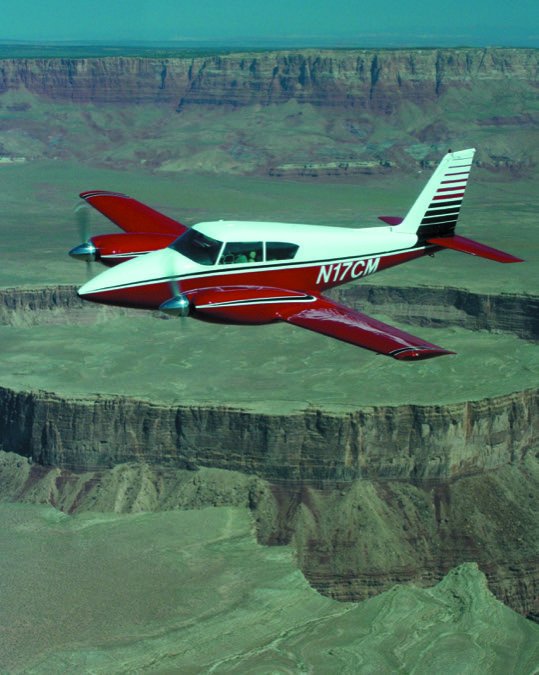
When we looked at the current Twin Comanche market, we found that owners generally prize the Piper Twin Comanche for the same reasons that they always have. Its a relatively affordable, economical and accessible twin with decent performance. There isn’t much more to ask for. In many ways, its one of the few twins that can claim to be not much more expensive than a single to own and operate, but thats only if you buy the right one. There are plenty of basket cases in the weeds. But there are some pretty nice ones, too, and you’ll pay top dollar for them.

Read More »