









Register

Search Results for: piper

Aircraft

Cessna 177 Cardinal

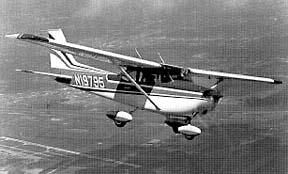
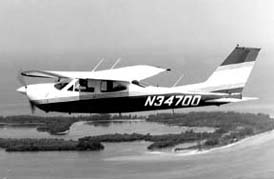
[IMGCAP(1)]No doubt about it, the original Cardinal was a flop. Suffering from poor performance and troubling aerodynamic qualities, the 177 quickly acquired a bad reputation that haunted the design for years. It could be said that it never really recovered; Cessna ended up discontinuing the Cardinal after 10 years, replacing it with the Hawk XP. Too bad, because the later Cardinals were much better than the originals, and superior to the Hawk XP, to boot.

History
The first Cardinals appeared in 1968. It was markedly different from other Cessna singles (and still is-none of the Cardinals unique features made their way into other designs). It had a stabilator, and a cabin that…
Read More »
Aircraft

Cessna 177RG Cardinal RG

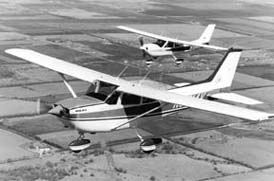
[IMGCAP(1)]To some eyes, the Cessna 177 Cardinal RG is the sleekest and most attractive piston single the manufacturer ever built. The Cardinal RG shares its fixed-gear siblings strutless wing, rakish cowl and windshield, along with a seating position that lets the pilot see past the leading edge of the wing, while allowing all four occupants to ride in the shade.

Owners say that the Cardinal RG has many good points. Its faster than most of its peers (Mooneys being the obvious exception), roomier than all but the Beech Sierra, and has a better useful load than the competition, to boot. However, there are some notorious problems that prospective buyers should be aware of before consider…

Read More »
Aircraft

Cessna 170

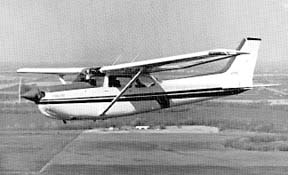
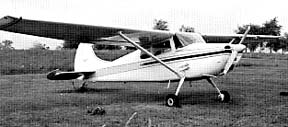
[IMGCAP(1)]Its a good-performing, honest four-seater and also a lot of fun to fly. Like any other taildragger, though, it can bite. And though 170s still are quite affordable, prices continue to climb.

Cessna built 5,136 of the airplanes in a nine-year production run that ended over 40 years ago. But time has taken a toll on the population. Today, considerably less than half of the airplanes are still flying; and accident records show that ground loops and hard landings are continuing to thin out the 170 fleet at quite a clip.

Still, there are many who turn a veiled eye on the taildraggers safety record and dismiss the tricycle-gear 172-the 170s successor-as a giant step backward…

Read More »
Aircraft

Cessna 172 Skyhawk

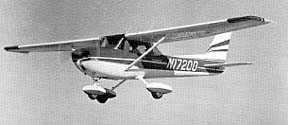
[IMGCAP(1)]The Cessna 172 probably ties with the Piper Cub as everymans vision of the little airplane. Probably more people recognize the Cub name; but more recognize the shape of the Skyhawk.

A grand total of 35,773 were built during its original 31-year production run, and there are better than 20,000 of those flying in the United States plus thousands more flying around the world. (And don’t forget: it was a C-172 that was the first private airplane to visit Red Square in Moscow.)

Plus, the evergreen 172 is back in production again, complete with a new fuel-injected engine, various tweaks and a price tag exeeding $150,000.

Even for the less adventurous, the 172 continues to app…

Read More »
Aircraft

Cessna 172XP Hawk XP

[IMGCAP(1)]The Cessna 172 Skyhawk is, in many ways, the standard fixed gear single. Filling much the same niche in aviation as a Toyota Camry does in the automotive world, it may not be exciting, but it performs its mission very well. The 172 has much to recommend it: good stability, docile handling, low stall speeds and a fairly rugged airframe design.

Inevitably, though, there are those who want or need a bit more performance. For those pilots, Cessna offered the Cardinal as a step-up fixed-gear single. Sporting a 180 HP powerplant and constant-speed prop in all but the earliest versions, the Cardinal fit into the lineup between the Skyhawk and the larger (and more powerful) Skylane.<...

Read More »
Aircraft

Cessna 172RG Cutlass RG

[IMGCAP(1)]Sort of an intermediate hybrid between the venerable 172 and the inestimable 182RG Skylane, the Cutlass rode a fine line for the five years it was in production. Its ill-defined market niche, coupled with the advent of the general aviation recession, kept the production numbers fairly low. Indeed, only 1,191 were rolled out of the factory doors.

History
The timing of the Cutlass introduction was unfortunate; it hit the market in 1980, generally seen as the year when the GA slump began. Essentially, the Cutlass was a retractable 172 fitted with a carbureted Lycoming O-360 and constant-speed prop (the same basic power package found on the fixed-gear Cardinal, though…

Read More »
Aircraft

Cessna 150/152

[IMGCAP(1)]Way back in the 1960s, when the Cessna 150 was on its way to becoming the dominant two-seat trainer of all time, many pilots and most instructors had been trained on conventional gear, which was to say taildraggers.

But no more. The majority of todays pilots were trained in nosegear aircraft and who doesnt have logbook entries showing some Cessna 150 or 152 time? The reasons for that are many. The 150/152 filled a niche perfectly, being relatively cheap to operate, easy to fly with few bad habits and originated by a company that defined light aircraft manufacturing after World War II.

History
Following World War II, Cessna enjoyed good sales success with fir…

Read More »
Uncategorized

Beech 36, A36 Bonanza

[IMGCAP(1)]The 36 series Bonanzas have a deserved reputation as one of the best single-engine airplanes ever built. Offering superb workmanship, fine handling and performance, and such high-class features as club seating and a separate set of doors for the passengers, the 36 series is highly sought after by pilots, many of whom regard them as close to the ultimate single-engine IFR airplane.

History
The Bonanza, in one form or another, has been in continuous production since 1947, when the first V-tail was built-an astounding fact in itself. The 35 Bonanza was the first high-performance postwar single, and was markedly different from the average light airplane of the day. Base…

Read More »
Uncategorized

Beech 36TC Bonanza

[IMGCAP(1)]The Beech Bonanza has always been considered the very top of the line in single-engine aircraft, and the top of the Bonanza line for almost 20 years have been the A36TC and B36TC turbocharged long-fuselage straight-tail models, which remain in production to this day. (The normally aspirated 36 is really in a different class and thats why its covered in the previous chapter.)

The 36 turbos offer a sizeable cabin, good high-altitude cruise numbers and the security of the straight-tail design. They have held their value extremely well. But the A model had serious range shortcomings, and both aircraft tend to run hot and fall short of rated engine TBO times.

Genealogy<...

Read More »
Uncategorized

Mitsubishi MU-2

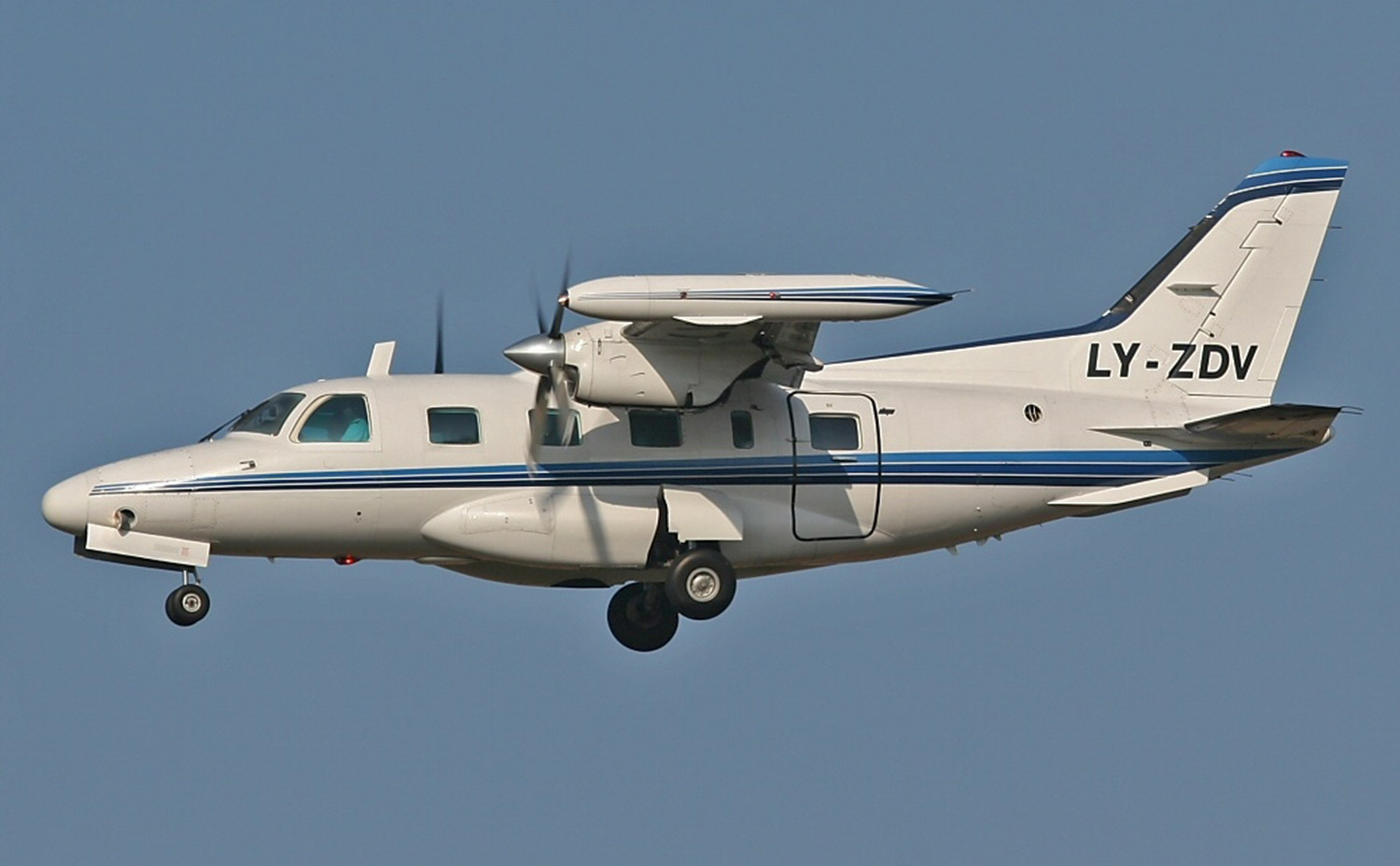
[IMGCAP(1)]

Pilots browsing through the light turboprops as a natural step up from a piston twin might be drawn to the Mitsubishi MU-2s by the lure of dazzling speed, unbeatable short-field work and a less-than-shocking purchase price. However, the airplane has a reputation as being hot and dangerous. Most owners attribute this to bad press, but the press had to come from somewhere: in this case, it was the accident rate, which was very high in the early years-so high that the FAA considered requiring a type rating for the MU-2. That never came to pass, however.

So, is the MU-2 unsafe? Owners universally say no, but…. The but is the need for initial and recurrent training. One…

Read More »
Aircraft

Beech 95 Travel Air

[IMGCAP(1)]The Travel Air was Beechs entry into the then-new light twin market, making use of a formula used successfully by several manufacturers: take the basic design of a successful single and make a twin out of it. The single in this case was the Bonanza. Later on, Beech did the same thing over again and got the Baron as a result. Compared to the prestigious and pricey Barons, though, the Travel Air can be a real bargain.

However, the Travel Air is, shall we say, a vintage airplane; one that, no matter how virtuous, is getting very long in the tooth. The tough decision for a buyer, then, is whether the price savings offered by the Model 95-which has escalated to perhaps $50,000 t…

Read More »
Aircraft

Mooney M20J 201/MSE

[IMGCAP(1)]

The Mooney M20J, introduced in 1977, marked a turning point for Mooney. It was the beginning of a new era, simultaneously retaining the traditional Mooney strong points while delivering significant improvements in performance, appearance and utility over its predecessors. So good was the initial product that it has continued in production to this day largely unchanged, despite several name alterations along the way.

History
The basic airframe of nearly all Mooneys (the ill-received Porsche PFM being a notable exception) is essentially the same, and has been since the M20A of the mid-1950s. It consists of a semi-monocoque rear fuselage, metal-skinned steel tube ca…

Read More »