Used Aircraft Guide

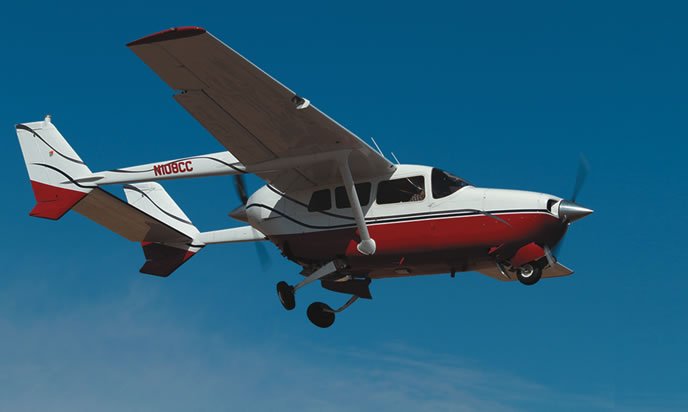
Cessna Skymaster:

The idea of the push-pull twin makes such fundamental sense that it has been applied to aircraft designs in one form or another for nearly 100 years and in literally dozens of models youve never even heard of. Back in 2005, Adam Aircraft tried the idea again with the A500 push-pull piston twin. Like many before it, it failed more by market reality than by a fundamental flaw in the idea.

Read More »

Columbia Crashes: Lost Control

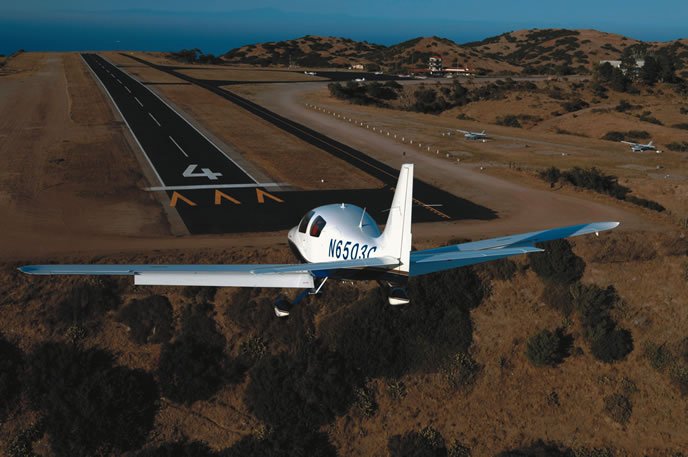
As we would expect from an airplane as slippery as a Columbia, runway mishaps and botched go-arounds are the most popular way for its pilots to make it into the NTSB wreck reports. The good news? The reports arent littered with Columbia augers. On the other hand, the FAA registry lists less than 700 in service, and that includes the Columbia and Cessna 400 models.

Read More »

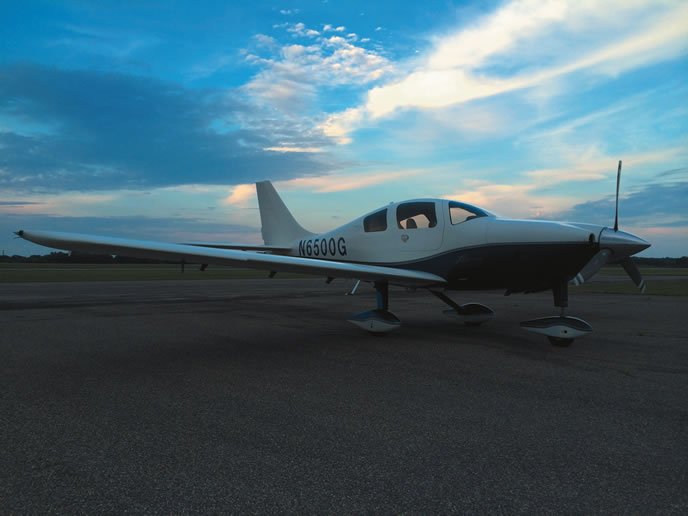
Columbia 300/350

What do you get when you mate a sleek and efficient composite airframe to a high-output Continental engine, advanced avionics and an ergonomic interior? Sales-and lots of them. This is evident by Cirrus Aircrafts success with its SR22. That was the premise behind the original Columbia 300/350, the normally aspirated versions of the companys flagship Columbia 400, and later Cessna Corvalis series.

Read More »

The Crashes: Takeoff and Landing

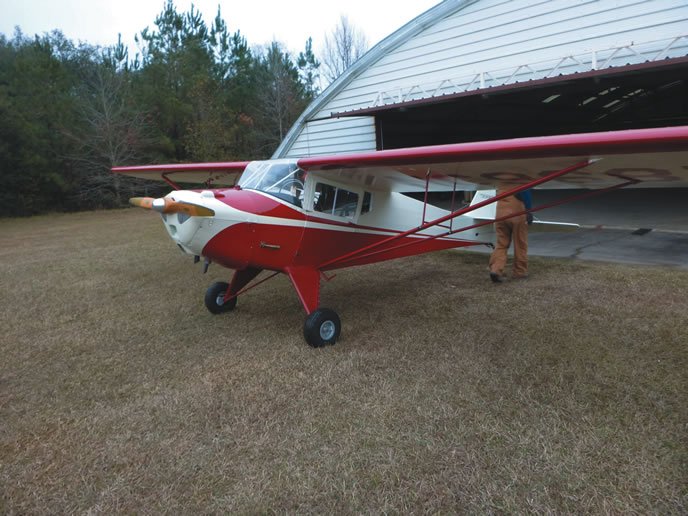
We were interested, and pleased, to see that runway loss of control (RLOC) only accounted for 21 of the most recent Taylorcraft accidents-when we do an accident scan for tailwheel airplanes we expect to see RLOC account for 50 to 60 percent of the total. Even though it appears the classic T-craft has better than average manners on the ground for a tailwheel airplane, the modest power available means that if something starts going wrong on landing, its wise to go-around early. We counted six blown go-around accidents; three involved hitting obstructions off to the side of the runway, and three hit obstructions off the end of the runway.

Read More »

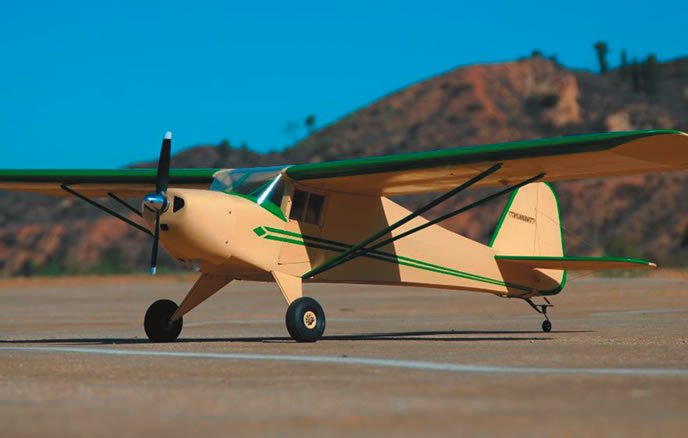
Taylorcraft: Affordable, Simple

Post World War II, the state-of- the-art for a personal airplane was a basic, two-seat taildragger of modest horsepower and tube-and-rag construction. Wood, as often as not, was a major airframe constituent and IFR flight was something not even all the airlines practiced.

Read More »

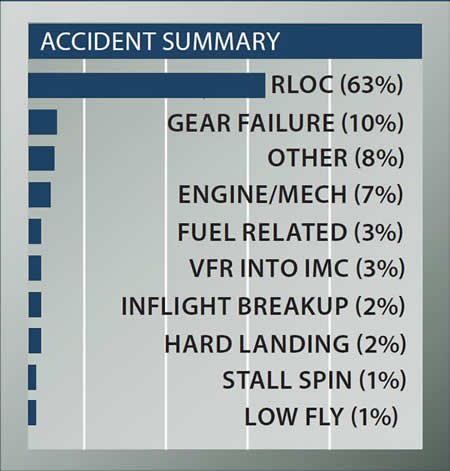
190/195 Mishaps: Groundloops

With their large, comfortable cabins, the Cessna 190/195 series airplanes are delightful cross-country machines-and amazingly safe in that role. Our survey of the 100 most recent 190/195 accidents revealed an almost astonishingly low number of accidents one would expect to see in airplanes used for traveling such as engine failures, VFR into IMC crashes and fuel-related events. They totaled only 15 percent of the accidents-for flat-engine airplanes, wed expect to see at least that many accidents from engine stoppages alone. We only saw seven engine stoppages in the 190 and 195.

Read More »

Cessna 195 Businessliner

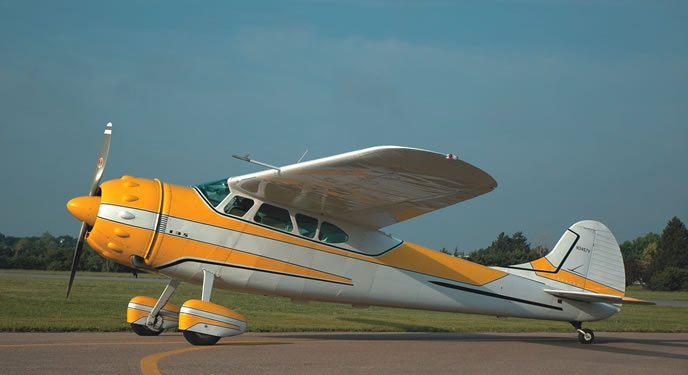
There are few personal airplanes that can deliver both mission utility and attention-getting nostalgia. The venerable Cessna 195 Businessliner is one of them. Cessna named it the Businessliner because it was, well, a business aircraft.But it was not the first business aircraft by a long shot. It is probably the most practical of classics because it is a good traveling airplane that will not cripple you to keep it maintained. It is all-metal and has good parts availability, unlike such machines as the Beech Staggerwing, Spartan Executive and Stinson Reliant. It is the link between the poorly harmonized, high adverse yaw radial-engine classics of the 1930s with the feet-on-the floor machines of today, carrying on only the adverse yaw.Many vintage aircraft are indeed works of art, but the 195 is actually a practical classic. One owner refers to his 195 as a Cessna 206 that gets preferred parking at the fly-in breakfasts.A direct descendant of the 1934 C-34 Airmaster, the C-190 series represents a lot of Cessna heritage-it was the first all-metal Cessna, and the last Cessna to be built with a radial engine.When you arrive on the ramp in a 195, heads turn. Best of all, 195s are relatively affordable to buy and support. For the pilot who is on the ball, they can be relatively easy to fly.


Read More »

Husky Havoc: Landing Prangs

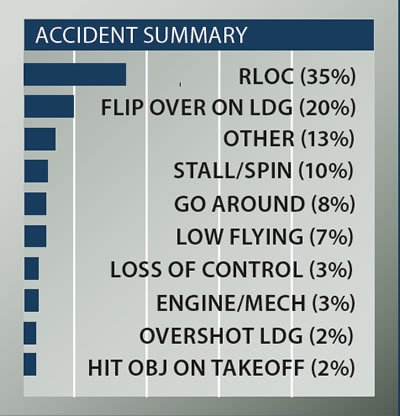
Well start with the good news that came out of our examination of the 100 most recent Aviat Husky accidents: There were extraordinarily few engine/mechanical accidents and absolutely no accidents that were fuel related. In our accident surveys, we expect to see about 15 engine/mechanical accidents-there were three, and two of those were apparently due to carb ice.

Read More »

Aviat Husky

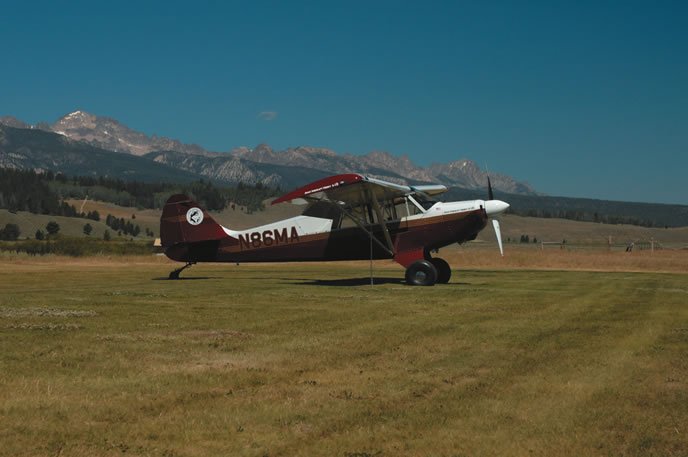
Utility airplanes occupy an interesting market niche. Like any other airplane, they take off and land, cruise at altitude, carry a payload and offer some creature comforts. Naturally, just about any spam-can does that and probably can do it faster, more economically and with more pampering of the pilot and passengers. But unlike most other airplanes, utility airplanes are optimized to use short, unimproved fields without drama or damage, carry lots of stuff, require little maintenance and be field-repairable, just a few of the features with which the typical tricycle-gear, all-metal single has trouble.

Read More »

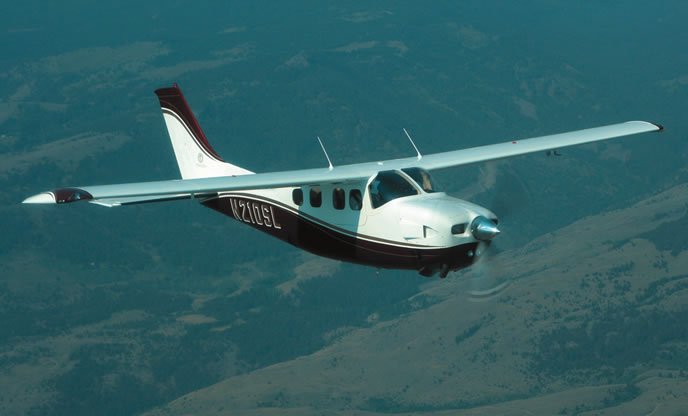
Cessna P210 Centurion

To gain sizable amounts of speed and efficiency, you’ll generally have to fly in the mid to upper teens and higher. And to do that, you’ll have to make a choice: stick an oxygen hose (or mask) in your nose or pay for the convenience of pressurization. Due to market demand and high production costs, the choices for single-engine models are limited to Cessnas P210 and the Piper Malibu.Pressurizing anything, let alone a single, is fraught with difficulty. Part of it comes in the form of mechanical woes-the engines are short-lived, often don’t make it to TBO and they cost a lot to overhaul. Pressurization adds another complex system to maintain and operate. Part of it comes in mundane problems: separate, unpressurized baggage compartments and the need to fit everything that goes into the cabin through the pilots door. Then, of course, there’s the extra premium in first place: as of winter 2015, a 1981 P210 costs about $25,000 more than a 1981 T210.

Read More »

P210 Prangs: Engines and Fuel

When we broke down the 100 most recent P210 accidents, 24 engine/mechanical events topped the list-a rate consistent with other big-bore singles. Of the engine failures, a third were due to improper maintenance, including everything from the wrong bolt torque to use of non-aviation hoses for the turbocharger oil supply and return lines. In that case, the hoses developed numerous leaks, spraying oil throughout the engine room, leading to an inflight fire.

Read More »

Feedback Wanted: Taylorcraft

For the June 2015 issue of Aviation Consumer, our Used Aircraft Guide will be on the Taylorcraft, the classic two-seat taildragger. We want to know what its like to own these planes, how much they cost to operate, maintain and insure and what theyre like to fly. If youd like your airplane to appear in the magazine, send us any photographs (full-size, high-resolution) youd like to share to the email below. We welcome information on mods, support organizations or any other comments. Please send correspondence on the Taylorcraft by April 1, 2015, to:

Read More »