










Download The Full December 2018 Issue PDF
- PORTABLE ADS-B
- JET SHADES
- RUSTY PILOT PROGRAMS
- iPREFLIGHT GENESIS
- SPORTY’S POWER BANK
- EDITORIAL INDEX
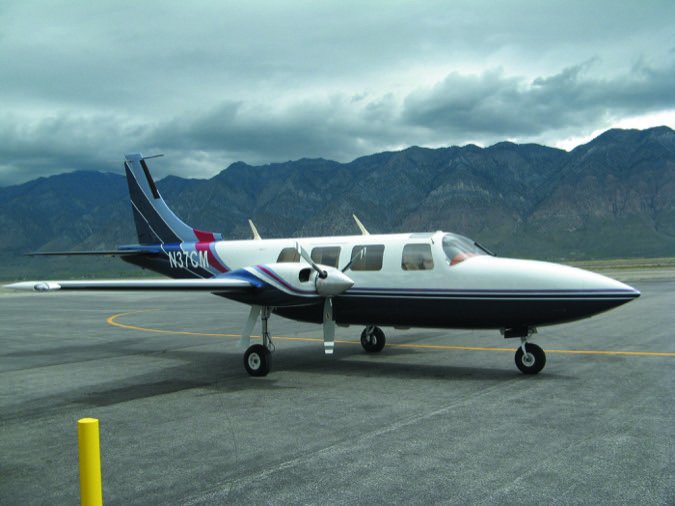
The Aerostar is the product of famed aircraft designer Ted Smith, whose name is attached to such classics as the A-20 twin-engine bomber and the Twin and Jet Commander lines. In 1963, Smith formed his own company to build a family of fast fliers, all built around the same fuselage, wings and tail. Five years later, the Model 600 emerged in 1968, with normally aspirated Lycoming IO-540 engines and a takeoff weight of 5500 pounds. A year later, the 601 appeared, with a pair of Rajay turbochargers and manually controlled, electrically actuated wastegates on each engine. With turbos, the engines could maintain 290 HP from sea level to 16,000 feet.
However, the Partevania purchase got Vulcanair the rights to the P68, a Luigi Pascale-designed twin that found a market in the training and light transport segments. It’s powered by a pair of Lycoming IO-360s. Vulcanair lists six variants of the P68, including the P68R retractable and two Observer versions, one of which features a glazed nose for observation and patrol work. A stretch version of the aircraft, called the A-Viator, is powered by Rolls-Royce 250B turboprops and carries nine passengers and two crew. There are 49 P68s in service in the U.S., including three turboprop versions, according to the FAA registry.
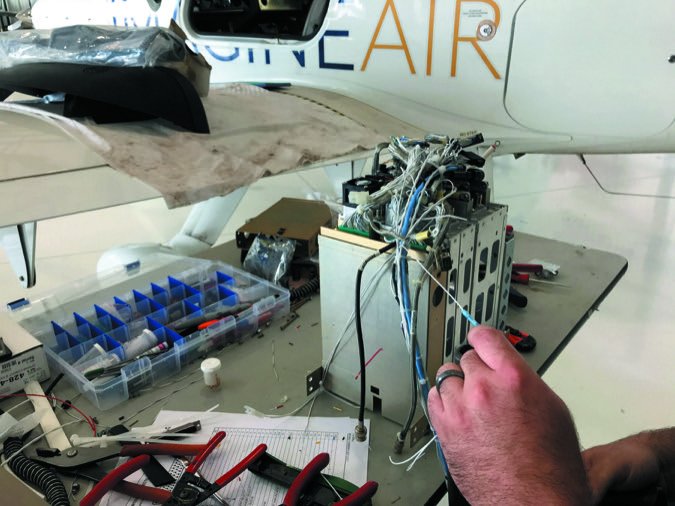
You’ll find that the majority of established avionics shops are Part 145 FAA repair stations, but some might have varying ops specs. For example, some might have instrument repair and overhaul capability, plus are spec’d to work on ship’s weather radar, to name two major fields of expertise. One benefit of using a shop that maintains a Part 145 repair station is that it’s required to have a quality control program in place (including an approved quality control manual), an area in which the FAA has placed sizable emphasis mostly for the right reasons.
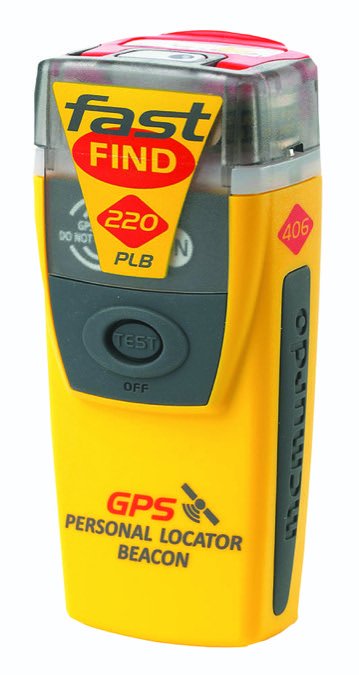
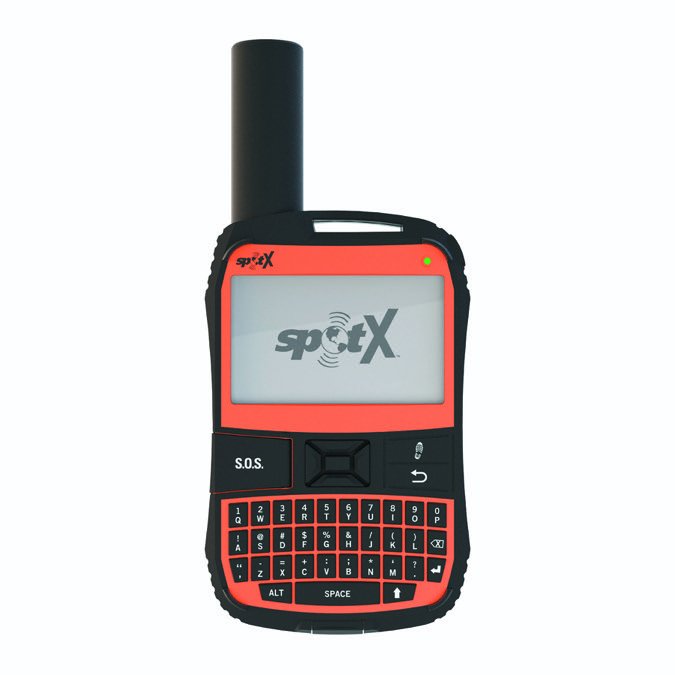
We’ve observed that a significant portion of the aircraft rental fleet in the country is still equipped with 121.5 MHz-only ELTs. If you’re a pilot who either has no access to an aircraft with a 406 MHz ELT or does, and wants a backup device because you recognize that an ELT may not trigger, its signal may be blocked due to the dynamics of an accident or the ELT can sink with the aircraft, what are your alternatives?
SpotX is assigned a telephone number for your appropriate country during activation. This allows contacts in the same country to send SMS messages to your SpotX without incurring any additional fees. There are four key components to the SpotX product: the SpotX hardware, its activation and service plan, its configuration through the website and the SpotX Device Updater application used to synchronize account information and update firmware. As weve learned from other satcomms, setup and activation can be a chore. For the SpotX, it begins with setting up an account on the FindMeSpot website from a Mac or PC, requiring a credit card for payment and information about your hardware.
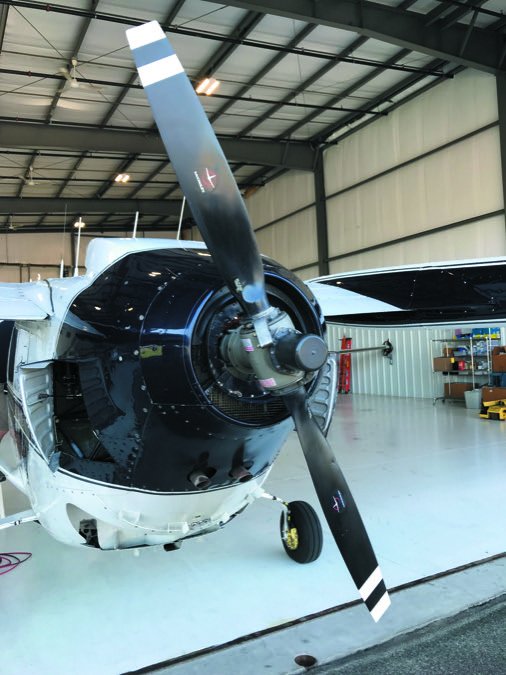
A propeller and its systems are more complex (and critical) than you might realize, evident by the detailed inspection procedures prescribed by the prop manufacturer. The good news is there is a lot of inspecting that can be done without even removing the blades from the aircraft. The FAAs advisory circular AC 20-37E is worth a read as it provides guidance for aircraft propeller maintenance. In particular, the AC provides information and suggests procedures to both increase service life and to minimize failures of metal propellers. Wood and composite props generally follow different repair guidance.
Although its really an incremental upgrade to the long-body M20 series, the Acclaim Ultra was a major certification project for Mooney at a time when were not seeing many of those-from anyone. The results inarguably make the Acclaim Ultra the fastest four-place certified single-engine piston airplane and not just by a little. The Acclaim goes head to head with both its normally aspirated sibling, the Ovation Ultra (see February 2018 Aviation Consumer) and both Cirrus models, the SR22 and SR22T which, together, constitute the current market leaders. That puts the Acclaim into a niche within a niche-a slice of buyers who want speed, but care less about cabin size or payload. Pricewise, at $789,000 base, the Acclaim invoices below the typical Cirrus models.
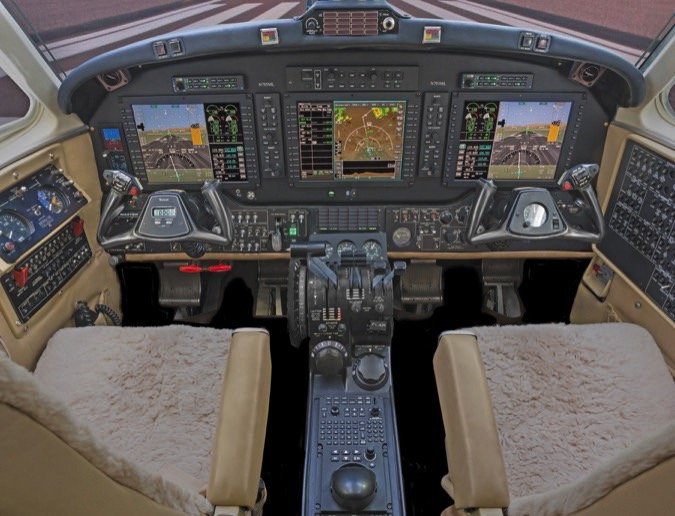
The suite for the King Air has three high-resolution 12-inch color LCD screens. There’s pilot and copilot primary flight displays and a multifunction display. The displays are instant-on and the whole system comes up ready in roughly 20 seconds. The screens have multilayer anti-reflective coating that permits a pretty wide viewing angle-as much as 80 degrees. They simply have to be high performers for big cockpits and the are. There’s a dedicated autopilot controller directly above the MFD, plus two PFD controllers.
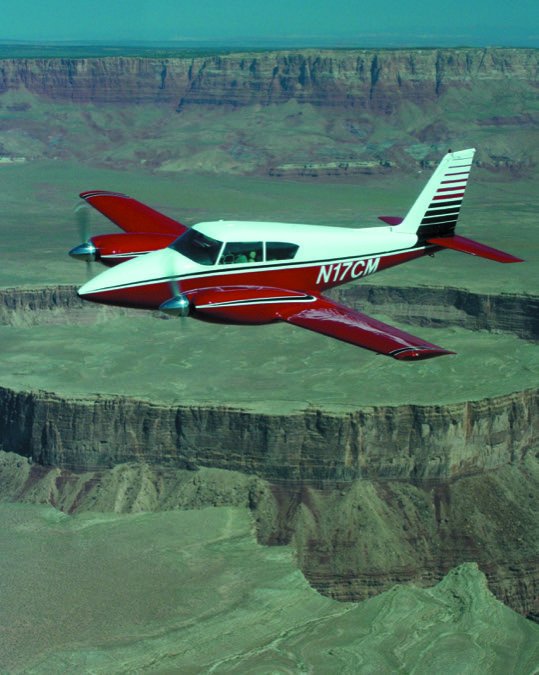
When we looked at the current Twin Comanche market, we found that owners generally prize the Piper Twin Comanche for the same reasons that they always have. Its a relatively affordable, economical and accessible twin with decent performance. There isn’t much more to ask for. In many ways, its one of the few twins that can claim to be not much more expensive than a single to own and operate, but thats only if you buy the right one. There are plenty of basket cases in the weeds. But there are some pretty nice ones, too, and you’ll pay top dollar for them.
Any owner with the financial wherewithal to step into the world of aircraft with engines that go whoosh is smart enough to immediately talk the idea over with his or her insurance broker. In addition to getting a ballpark estimate for the cost to insure a used King Air, Citation Mustang or new HondaJet, one of the first things the prospective owner will hear from the broker is that any insurer is going to require upgrade training at a facility approved by the insurer.
More significant is that Garmins G5 electronic flight display can be installed as a legal STCd backup to the G500/G500 TXi flight displays. Believe it or not, previously this interface required an FAA field approval because the G500-series primary displays didnt include the G5 in the STC. The technical interface is expanded, too, and for the better. Any adjustments made to heading bugs, altitude select, airspeed bugs and baro settings are automatically synced from the G500 TXi or G500 displays to the G5. Flight director and autopilot mode annunciations from the GFC 500 can also be viewed across all displays, including on the G5. No, the G5 isn’t approved for backup in Cirrus models. That means if you have a second-gen Avidyne Entegra or even G1000 Cirrus (or any other G1000 airplane) the G5 is off limits.