Cockpit Accessories

ANR on a Budget: Lightspeed, Telex Tops

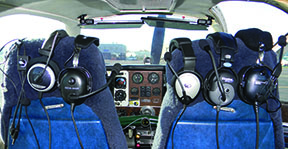
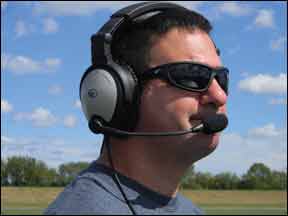
Got $1200 to spend on a headset? That’s what you’ll have to pony up for a Bluetooth-equipped Bose A20—a high-end model that easily ranks at the top of the ANR food chain. Don’t get us wrong—we think the flagship Bose A20 continues to set the standard by which all other aviation headsets are judged. If we had the dough, we’d buy a set for every seat.

Read More »

Portable Oxygen: Basic Purchase Advice

For decades, we’ve more or less complied with the FARs requiring oxygen use above certain altitudes on good faith. But the advent of cheap, easy-to-use medical pulse oximeters has revealed a troubling fact: Even at altitudes below the FAR-required values, many of us are oxygenated poorly enough to benefit from supplemental oxygen. Mild hypoxia—say at 10,000 feet—may very we’ll be debilitating enough to cause judgment errors.

Read More »

Garmin GLO: Dual-System Remote GPS

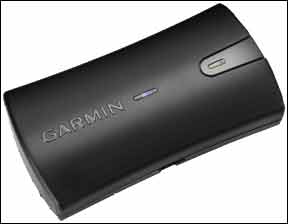
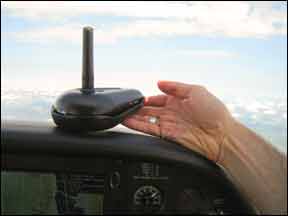
The GPS chips found in consumer-grade products like the iPad seem to suck less than they did two years ago, but there’s still a bustling little market for external or remote receivers like the new GLO just introduced by Garmin. It’s called GLO, we surmise, because it’s the only remote we know of that receives both the U.S. GPS constellation and the Russian GLONASS system, both of which have 24 satellites on orbit. Garmin says this gives GLO a 20-second faster lock-on compared to a GPS-only receiver and the position update is 10 times per second and 10 times faster than the GPS chips used in most consumer electronics.With that many satellites in view, marginal position geometry is about impossible, so GLO’s signal calc sticks like glue. Whether this really matters or not is debatable, but if you’re relying on a smartphone or tablet to navigate, a better GPS engine makes sense if it’s cheap. And at $99 suggested retail, the GLO certainly is.


Read More »

Glass Panel Upkeep: Inspections, Software

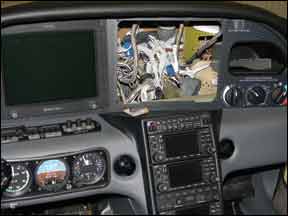
While stepping up to a glass panel may appear to offer lower maintenance bills and downtime, it’s just as likely that when the all-in cost of ownership is added up—including data revisions—glass could cost more than a well-kept steam gauge panel. Glass ownership is fraught with unexpected costs that many owners seem unprepared for. Routine costs might include optional upgrades, which offer system improvements and additional features. Some of these are free through manufacturer-provided software downloads, but cost several hours of billable shop labor to perform. For aging systems, some repairs could run thousands of dollars, especially if you haven’t purchased an extended warranty. In this article, we’ll take a look at some of the maintenance issues you might expect with glass panel ownership.

Read More »

FLYING EYES: HEADSET FRIENDLY

We like the combination of our ANR headsets and Oakley M-Frame sunglasses for short trips but not for long, non-stop hauls. That’s because the clamping pressure and resulting ache it creates on the noggin is unbearable. Sunglasses maker Flying Eyes has an alternative, with pilot glasses that are designed with webbing straps instead of traditional temples. We gave them a try and liked what we saw and felt.When we reviewed sunglasses in the December 2010 issue of Aviation Consumer we judged them, in part, for comfort while wearing headsets. While some brands— including the Oakley M-Frame wrap design— offered exceptional comfort, none were immune to eventual discomfort after hours of headset and temple clamping.

Read More »

Dynon D1 Pocket EFIS: Affordable Backup

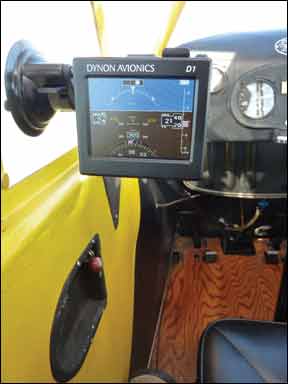
When Dynon surged into the lead for uncertified EFIS systems with the D100, D180 and later the Skyview, we knew it was only a question of time before they stuffed that technology into a portable. So it was no surprise that the D1 Pocket Panel appeared just ahead of AirVenture. If this gadget works as we’ll for others as it did for us, we have little doubt it will become a good choice for owners seeking backups for their creaky vacuum instruments. Dynon has cleverly packaged the D1 so as to be not mistaken for anything even suggesting a permanent mount. That should avoid any eruptions from the odd rogue FSDO inspector.

Read More »

Garmin’s ADS-B WX: One Box Amidst Many

The GDL 39 is robust in more ways than one. It’s a solid performer, starting up fast and picking up ADS-B ground stations as soon or sooner than any of the systems we’ve tried. As you’d imagine from a Garmin product, the GPS is built in. Reception was flawless on our test trip from Portland, Maine, to Oshkosh, Wisconsin, paired to both a Garmin 796 aera and an iPad. While we didn’t test it, the GDL 39 can pair with two devices via Bluetooth and one via a cable all at once. The aera currently requires the cable, but the 796 has Bluetooth built in and will connect wirelessly in the future. The GDL 39 is also big. The unit is about the size of a sardine can, and the optional battery almost doubles that size. This is noticeably larger than the popular Stratus and could be a shipping box for a pair of Sage-tech or Dual ADS-B receivers.

Read More »

Cabin Sunshields: Kennon is a Top Pick

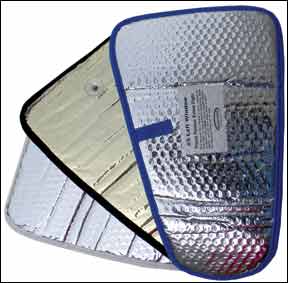
Protecting your cabin and pricey electronics from damaging ultraviolet rays should be a priority. If your aircraft lives outside, chances are you’ve invested in a cabin cover, but you might not use it for short parking stays on transient ramps. Cabin window sunscreens can be a good alternative. They’ll reduce cabin heat while keeping the sun from frying avionics, cabin accessories and interior components while also deterring theft. We judge sunscreens on three primary traits: Fit, durability and ease of storage. When they fit properly, they keep the sun out and reduce cabin heat. Good durability means they’ll continue to fit properly and stay in one piece after repeated manhandling and sloppy stowage.

Read More »

Sennheiser S1 Passive: High Marks on Comfort

Active noise reduction (ANR) headsets are a terrific investment. But not everyone can afford the $400-$1100 to baby the ears of occasional riders. Sennheiser thinks they have a good solution in the passive (non-ANR) version of their S1 Digital headset. We half agree, finding it an exceedingly comfortable headset, but only up to the challenge of cutting the noise in quieter cockpits. The S1 Passive inherited several features from the S1 Digital. The ear pads are thick, with a special “eyeglass zone” of extra pliant foam right where sunglass or eyeglass temples would pass under the earseals. Our experience was good even with thick sunglasses, but there is still some air leakage compared to no glasses at all.

Read More »

Garmin’s ADS-B WX: One Box Amidst Many

The GDL 39 is robust in more ways than one. It’s a solid performer, starting up fast and picking up ADS-B ground stations as soon or sooner than any of the systems we’ve tried. As you’d imagine from a Garmin product, the GPS is built in. Reception was flawless on our test trip from Portland, Maine, to Oshkosh, Wisconsin, paired to both a Garmin 796 aera and an iPad. While we didn’t test it, the GDL 39 can pair with two devices via Bluetooth and one via a cable all at once. The aera currently requires the cable, but the 796 has Bluetooth built in and will connect wirelessly in the future. The GDL 39 is also big. The unit is about the size of a sardine can, and the optional battery almost doubles that size. This is noticeably larger than the popular Stratus and could be a shipping box for a pair of Sage-tech or Dual ADS-B receivers.

Read More »

AvMap EKP-V: Strong Display, But No Touch

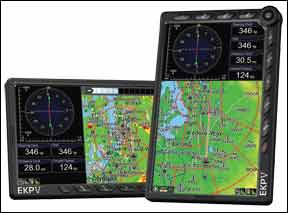
We don’t envy Italian GPS veteran AvMap in their attempt to compete in today’s world of cockpit iPad and with Garmin’s well-rounded line of portable navigators. Garmin and Apple all but own the aviation GPS and mapping market. Still, we’ve been impressed with nearly every model of AvMap navigator we’ve tested over the years. The company has a knack for offering high-end mapping displays packaged in a case that’s convenient and rugged enough to throw around the most hostile cockpit. And so it goes with the new flagship EKP-V. We were surprised that the latest-generation EKP doesn’t have a touchscreen. But the unit’s utilitarian capability and brilliant screen take the bite out of this shortcoming. Some might even prefer it.

Read More »

Trig Avionics TY Radios: Space-Saving Comms

Most communications radios are designed for installation into a traditional radio stack. That’s great for traditional panels, but they can be a non-starter in classic LSA and ultralight craft. The market offers few choices other than Becker Avionics for standalone comm radios that fit in tight spaces. Now UK-based Trig Avionics offers a worthy alternative with the TY-91 and TY-92 transceivers. Trig is best known for their innovative and space-saving transponder solutions, including the recently certified TT22 ADS-B unit. The new TY-91 and TY-92 comm radios are pitched to complement the similarly packaged transponders, adding to the growing Trig product line.

Read More »