









Register

Accessories

Ready For A Jet? Accept Tight Regs, Inflated Costs

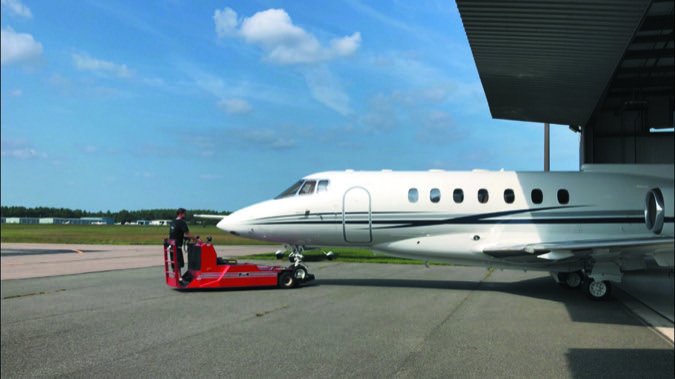
Spend even a short time on the floor of a National Business Aviation Association convention and you better forget everything you know about the cost of owning, upgrading and operating a small piston. Yes, the jet world is a major step up in the ownership experience and aviation’s high end is elegantly and seriously represented at NBAA gatherings, and the high regulatory standards of the FAA’s Part 25 are very much in place. Frankly, I think the regulatory stronghold is stifling innovation.

Read More »

Letters From Readers: December 2018

I have never explicitly seen it written anywhere that when one buys a glass panel airplane like the Garmin G1000-equipped Mooney Acclaim, the aircraft OEM owns the software for the avionics. This has been a problem with Mooney through its various bankruptcies and production hiatus. I don’t know if it has been a problem with other OEMs, and I understand only Mooney Service Centers (which seem to be few and far between) can do the G1000 software upgrades.

Read More »

Cessna 195 Businessliner

The venerable Cessna 190 series was not the first business aircraft by a long shot, although it was a first for Cessna. These days, for owners wanting to own a piece of aviation history, it is probably the most practical of classics because it’s a decent people hauler. Even better, it’s not overly expensive to maintain, compared to other classics, that is. There’s no fabric, and parts are generally available unlike other classic machines including the Beech Staggerwing, Spartan Executive and Stinson Reliant.

Read More »

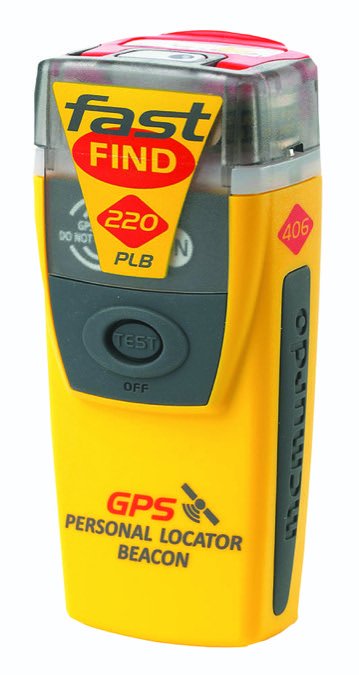
Rescue Beacons: ResQLink+ Gets The Nod

We’ve observed that a significant portion of the aircraft rental fleet in the country is still equipped with 121.5 MHz-only ELTs. If you’re a pilot who either has no access to an aircraft with a 406 MHz ELT or does, and wants a backup device because you recognize that an ELT may not trigger, its signal may be blocked due to the dynamics of an accident or the ELT can sink with the aircraft, what are your alternatives?

Read More »

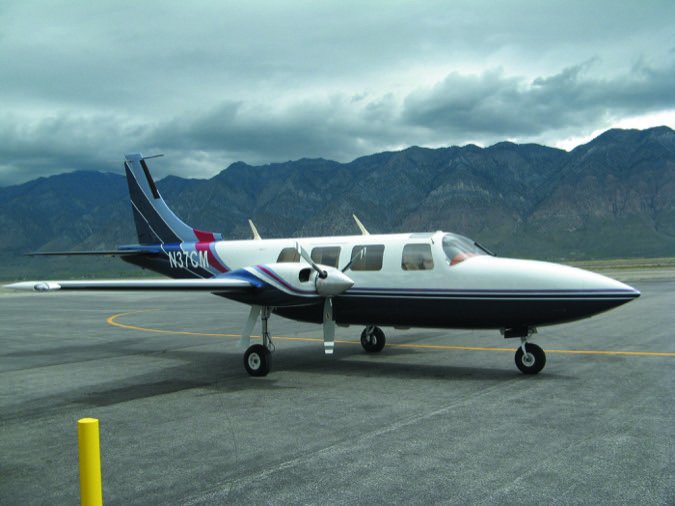
Piper/Ted Smith Aerostar

The Aerostar is the product of famed aircraft designer Ted Smith, whose name is attached to such classics as the A-20 twin-engine bomber and the Twin and Jet Commander lines. In 1963, Smith formed his own company to build a family of fast fliers, all built around the same fuselage, wings and tail. Five years later, the Model 600 emerged in 1968, with normally aspirated Lycoming IO-540 engines and a takeoff weight of 5500 pounds. A year later, the 601 appeared, with a pair of Rajay turbochargers and manually controlled, electrically actuated wastegates on each engine. With turbos, the engines could maintain 290 HP from sea level to 16,000 feet.

Read More »

Vulcanair V1.0: A Skyhawk Competitor

However, the Partevania purchase got Vulcanair the rights to the P68, a Luigi Pascale-designed twin that found a market in the training and light transport segments. It’s powered by a pair of Lycoming IO-360s. Vulcanair lists six variants of the P68, including the P68R retractable and two Observer versions, one of which features a glazed nose for observation and patrol work. A stretch version of the aircraft, called the A-Viator, is powered by Rolls-Royce 250B turboprops and carries nine passengers and two crew. There are 49 P68s in service in the U.S., including three turboprop versions, according to the FAA registry.

Read More »

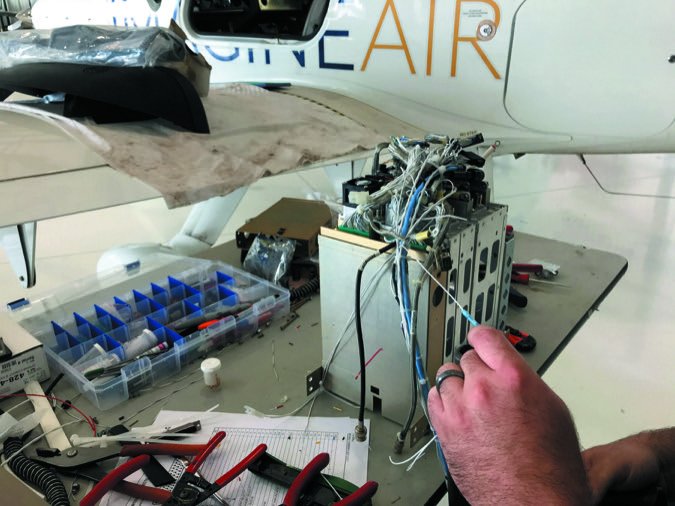
Avionics Shops: How You Might Choose

You’ll find that the majority of established avionics shops are Part 145 FAA repair stations, but some might have varying ops specs. For example, some might have instrument repair and overhaul capability, plus are spec’d to work on ship’s weather radar, to name two major fields of expertise. One benefit of using a shop that maintains a Part 145 repair station is that it’s required to have a quality control program in place (including an approved quality control manual), an area in which the FAA has placed sizable emphasis mostly for the right reasons.

Read More »

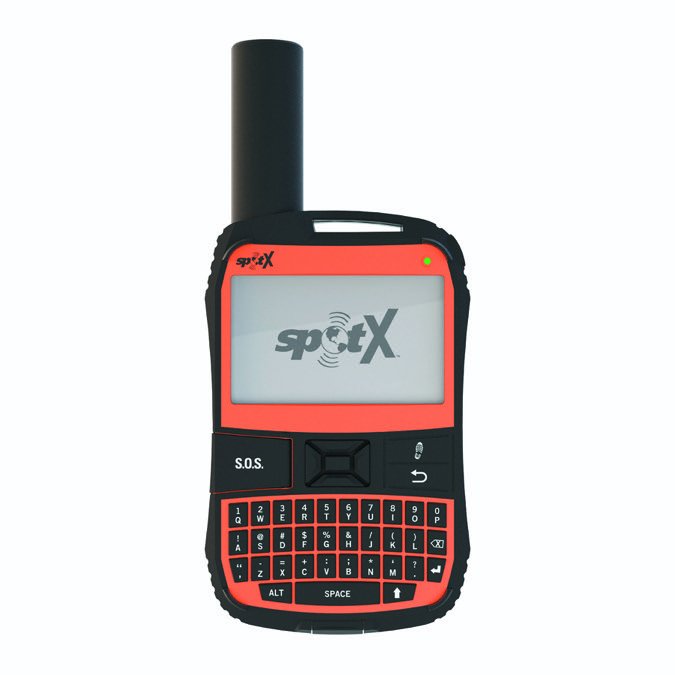
SpotX Messenger: Robust, Sized Right

SpotX is assigned a telephone number for your appropriate country during activation. This allows contacts in the same country to send SMS messages to your SpotX without incurring any additional fees. There are four key components to the SpotX product: the SpotX hardware, its activation and service plan, its configuration through the website and the SpotX Device Updater application used to synchronize account information and update firmware. As weve learned from other satcomms, setup and activation can be a chore. For the SpotX, it begins with setting up an account on the FindMeSpot website from a Mac or PC, requiring a credit card for payment and information about your hardware.

Read More »

Prop Inspections: More Than Surface Flaws

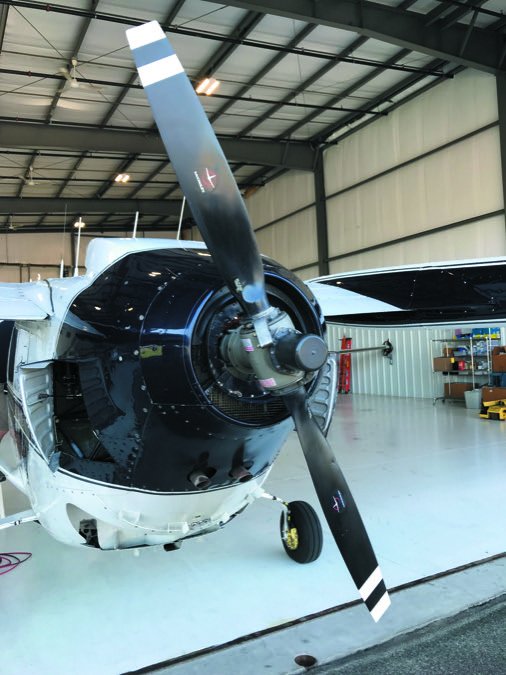
A propeller and its systems are more complex (and critical) than you might realize, evident by the detailed inspection procedures prescribed by the prop manufacturer. The good news is there is a lot of inspecting that can be done without even removing the blades from the aircraft. The FAAs advisory circular AC 20-37E is worth a read as it provides guidance for aircraft propeller maintenance. In particular, the AC provides information and suggests procedures to both increase service life and to minimize failures of metal propellers. Wood and composite props generally follow different repair guidance.

Read More »

Letters From Readers: October 2018

Conspicuous by its absence is any mention of the Evektor Sportstar. We had (past tense) several of them here in southern Indiana, and I administered a lot of checkrides in the Sportstar. I believe that the Sportstar is a major player in the LSA community, with a couple hundred of them flying in the U.S. At one point I think they were the third most numerous LSA, behind Flight Design and Legend. That would put them in the middle of the pack of the ones you considered. And I know the Sportstar had its share of accidents. Why did you omit the Evektor from your accident statistics?

Read More »

Mooney Acclaim Ultra: Tops in Raw Speed

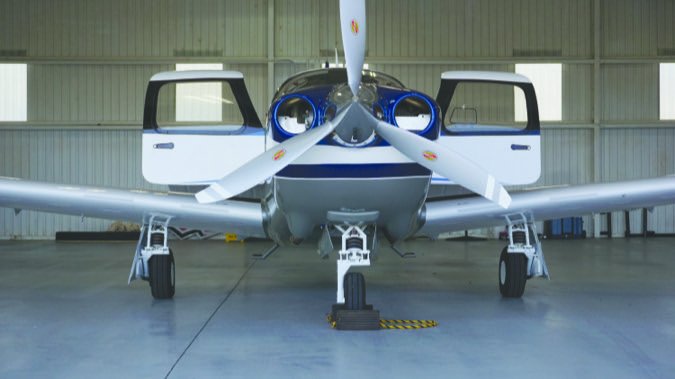
Although its really an incremental upgrade to the long-body M20 series, the Acclaim Ultra was a major certification project for Mooney at a time when were not seeing many of those-from anyone. The results inarguably make the Acclaim Ultra the fastest four-place certified single-engine piston airplane and not just by a little. The Acclaim goes head to head with both its normally aspirated sibling, the Ovation Ultra (see February 2018 Aviation Consumer) and both Cirrus models, the SR22 and SR22T which, together, constitute the current market leaders. That puts the Acclaim into a niche within a niche-a slice of buyers who want speed, but care less about cabin size or payload. Pricewise, at $789,000 base, the Acclaim invoices below the typical Cirrus models.

Read More »