









Aircraft Stepups

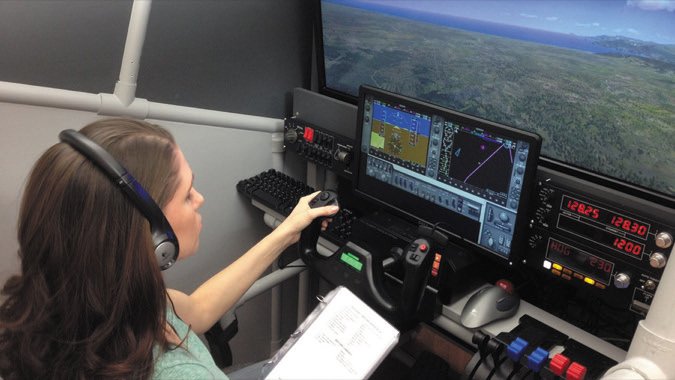
IFR Training Courses: Sportys, King, PIC Win

Thinking rating, toughest rating, necessary rating, unnecessary rating-all descriptions weve heard of the instrument rating. No matter what you call it, the instrument ticket is virtually essential if you wish to fly professionally or, in our opinion, get the most out of ownership of a GA airplane designed for traveling.
Read More »

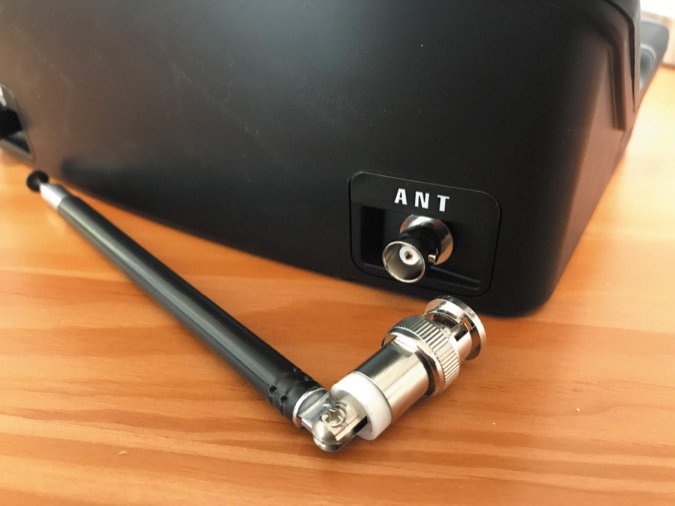
Sportys Air Scan Radio: Bluetooth, Fair Price

There are lots of reasons for investing in an aviation-band desktop radio. Maybe you want to monitor local traffic communications while working in the hangar, listen to the local airport weather broadcasts over your morning coffee or listen to real-time PIREPs before launching. Plus, an aviation scanner can be a good learning tool for students.

Read More »

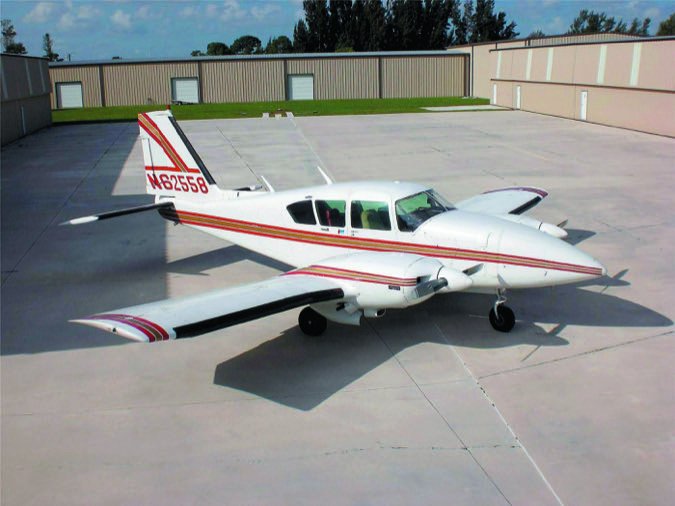
Piper Aztec/Apache

The headline groups the Aztec and Apache as one, and sure, while the Aztec could never have been born without the Apache, they are quite different. From an appearance standpoint, the original potato-like shaped Piper PA-23 Apache is easily distinguishable from the sleeker Aztec.

Read More »

Mountain Flying: Training Required

The laws of physics and aerodynamics don’t magically change when a general aviation airplane flies from the flatlands into the mountains, yet every year there are accidents in the high country where pilots tried to get more performance from an airplane than was installed.

Read More »

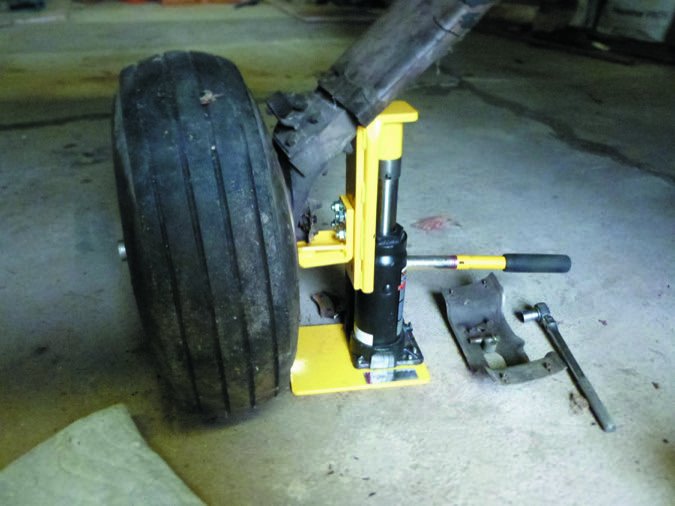
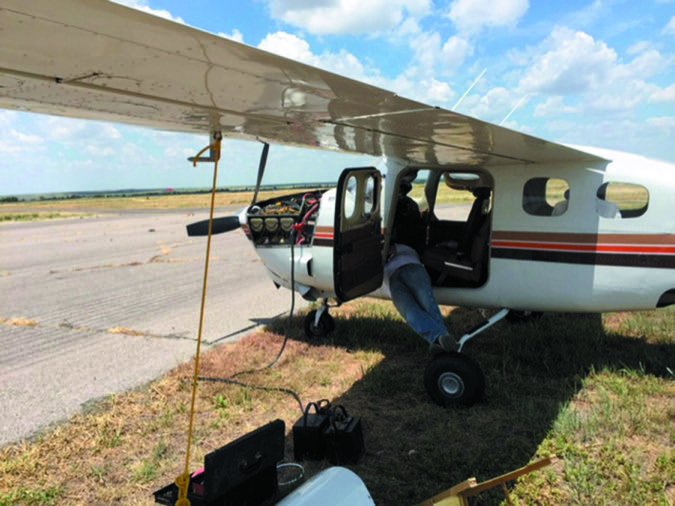
Hangar Tools: Start With The Essentials

Whether youve earned the A&P rating to wrench your own aircraft or plan to tackle the FAA-approved light maintenance items you can accomplish as an owner, you need the right tools and workspace for the job.

Read More »

Alternator Tech 101: Troubleshooting Basics

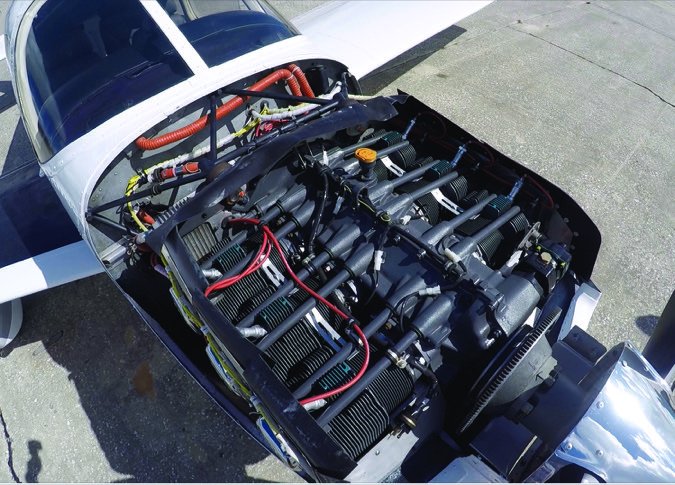
The charging system on the typical GA aircraft isn’t exactly what we would call ultra-modern. But its complex enough that an unexpected failure can leave you stuck far from home, while failures in flight can be full-up emergencies. Even if you don’t have the credentials and knowledge to tackle repairs on your own, there is some basic troubleshooting you can do to catch a failure early, while potentially saving some shop labor so your mechanic doesnt have to start from scratch. Heres a primer.

Read More »

Letters From Readers: January 2018

I have no vested interest in this area, but I do feel that the statement is insulting to field mechanics everywhere. I have owned a number of planes from different manufacturers and they have been serviced by both service centers and field mechanics. Personally, I have experienced some of the worst service from authorized service centers. I have found under my cowling rags and plastic cups. How about watching a mechanic come at your windshield with brown paper towels from the mens room to clean it for you?

Read More »

Rotax 915 iS: Incremental Power Boost

Aft of the firewall, a new Cirrus SR22 is the epitome of the technologically advanced aircraft. But the front end of the thing is pretty much frozen in the mid-20th century: old-school mechanical fuel injection, World War II magnetos, manual mixture control. This is so because buyers have wanted it this way; a Star Trek flight deck propelled by a 59 Buick engine room.

Read More »

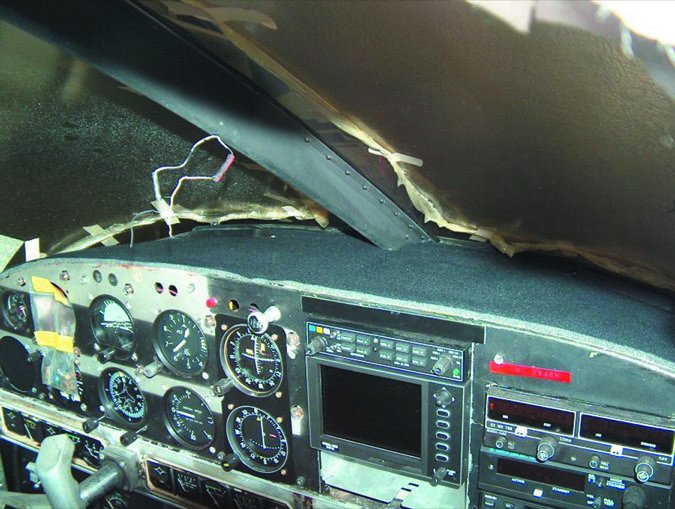
Window Replacement: Options Abound

Despite pilots most intense desires, airplane components wear out. Fortunately for their wallets, the major stuff on general aviation airplanes that are hangared and flown a few hundred hours a year-the airframe parts and pieces-should last the better part of a century. Along those lines, the things used by pilots to see through portions of the airframe, the windows, generally have a useful life measured in decades.

Read More »

Premiers Dakota Redo: Like New, Half Price

Its axiomatic that four-place airplanes are flown with two or three seats empty for most trips. But its just as true that some owners want not just four seats, but a bunch of payload even beyond that. Thats why we have the Cessna 182 and the Piper PA-28-235/236 series. That there arent many of the latter suggests that owners hungry for hauling are a fraction of the market, at least for Piper.

Read More »

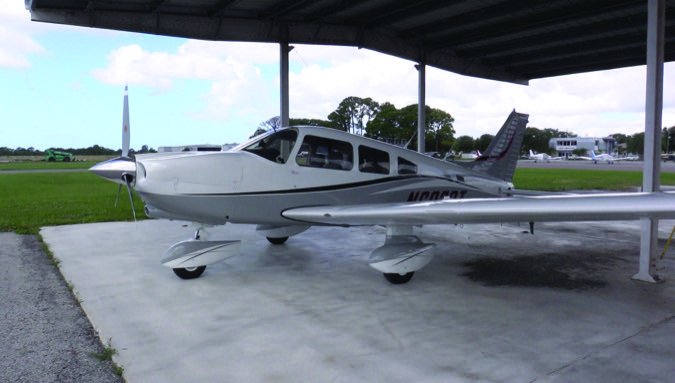
Cessna 120/140

The first of Cessna models to be built in volume was the diminutive Cessna 140, followed a month later by a stripped-down version called the 120. At the time, the Cessna 120/140s were perfectly serviceable and practical two-place airplanes. They were reasonably priced to buy and economical to own. There was a reason for that.

Read More »