









Aircraft Stepups

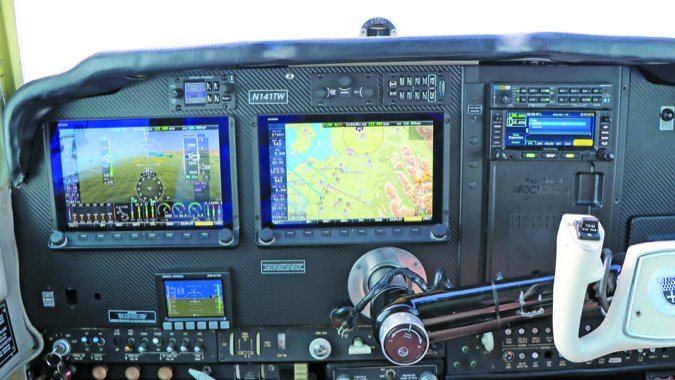
Dynon’s New Approach To Avionics Installs

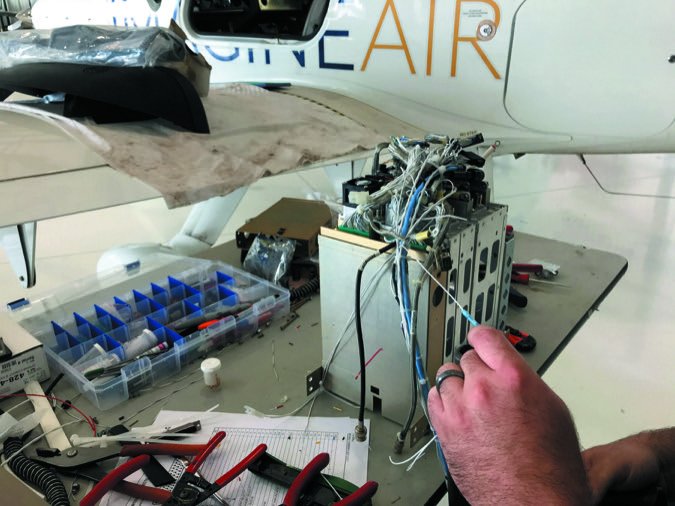
The Dynon Certified retrofit glass system started life in the experimental market as the HDX, but now has an STC for installation in Cessna Skyhawks and soon, some models of the Beech Bonanza. The company has plenty of other airframes on its STC to-do list. But while the Skyhawk STC has been in place for a while, not many have been installed, likely because there are just two shops authorized by Dynon to do it: Thrust Flight in Texas and Merrill Field Instruments in Alaska.

Read More »

Letters From Readers: November 2018

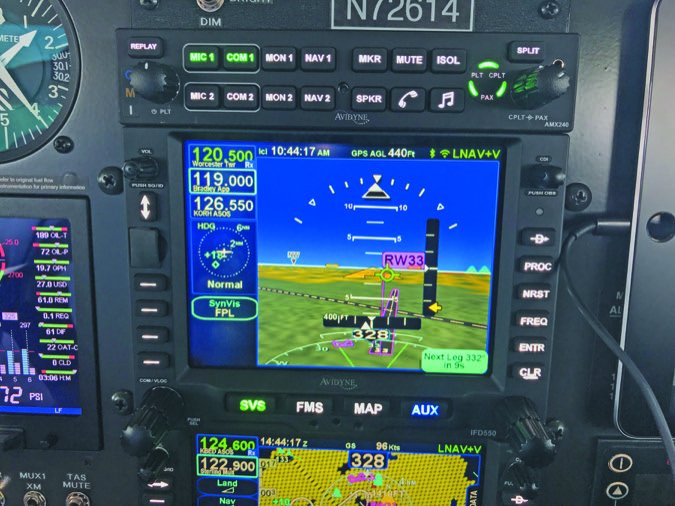
When I landed, I sent an email to Avidyne’s technical support wondering how I would get home if my second IFD navigator had a similar issue on my trip, and how soon I could have it replaced once I did get home. I got an email back from Avidyne asking what airport in Florida I would be using to clear customs on my return. When I told them I would be using Treasure Coast Airport in Fort Pierce, Florida, they told me a replacement IFD550 would be waiting for me, along with an installer to put it in.

Read More »

Vulcanair V1.0: A Skyhawk Competitor

However, the Partevania purchase got Vulcanair the rights to the P68, a Luigi Pascale-designed twin that found a market in the training and light transport segments. It’s powered by a pair of Lycoming IO-360s. Vulcanair lists six variants of the P68, including the P68R retractable and two Observer versions, one of which features a glazed nose for observation and patrol work. A stretch version of the aircraft, called the A-Viator, is powered by Rolls-Royce 250B turboprops and carries nine passengers and two crew. There are 49 P68s in service in the U.S., including three turboprop versions, according to the FAA registry.

Read More »

Avionics Shops: How You Might Choose

You’ll find that the majority of established avionics shops are Part 145 FAA repair stations, but some might have varying ops specs. For example, some might have instrument repair and overhaul capability, plus are spec’d to work on ship’s weather radar, to name two major fields of expertise. One benefit of using a shop that maintains a Part 145 repair station is that it’s required to have a quality control program in place (including an approved quality control manual), an area in which the FAA has placed sizable emphasis mostly for the right reasons.

Read More »

Private Pilot Training:Accelerate It?

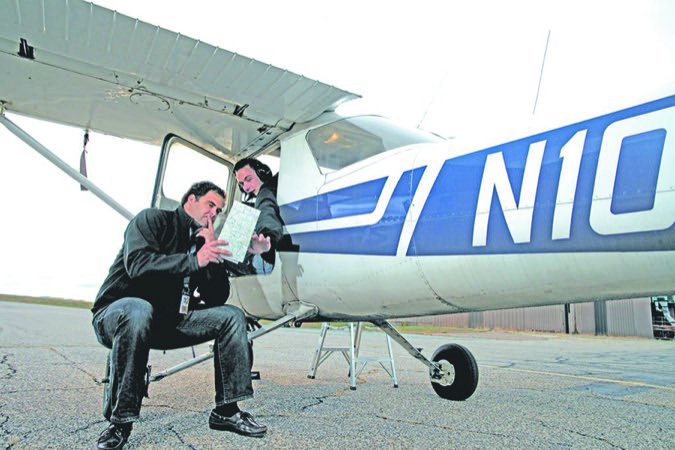
Our, admittedly arbitrary, definition of “accelerated private pilot course” is one that is completed within a month. We surveyed a number of flight schools that offer such courses and spoke with some pilots who had completed one. Our conclusion is that, for a person who has the time, money and self-discipline to eat, sleep and breathe flying 8-12 hours a day for two or three weeks, an accelerated course is a better way to obtain a private pilot certificate than flying intermittently over the course of a few months or a year and costs about the same.

Read More »

Rescue Beacons: ResQLink+ Gets The Nod

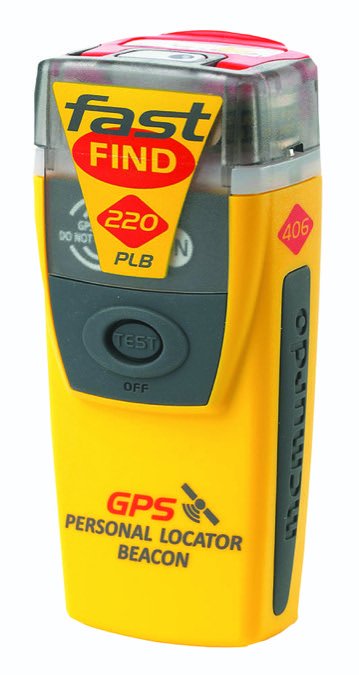
We’ve observed that a significant portion of the aircraft rental fleet in the country is still equipped with 121.5 MHz-only ELTs. If you’re a pilot who either has no access to an aircraft with a 406 MHz ELT or does, and wants a backup device because you recognize that an ELT may not trigger, its signal may be blocked due to the dynamics of an accident or the ELT can sink with the aircraft, what are your alternatives?

Read More »

Garmin GMA345:Slide-and-Fly Audio Panel

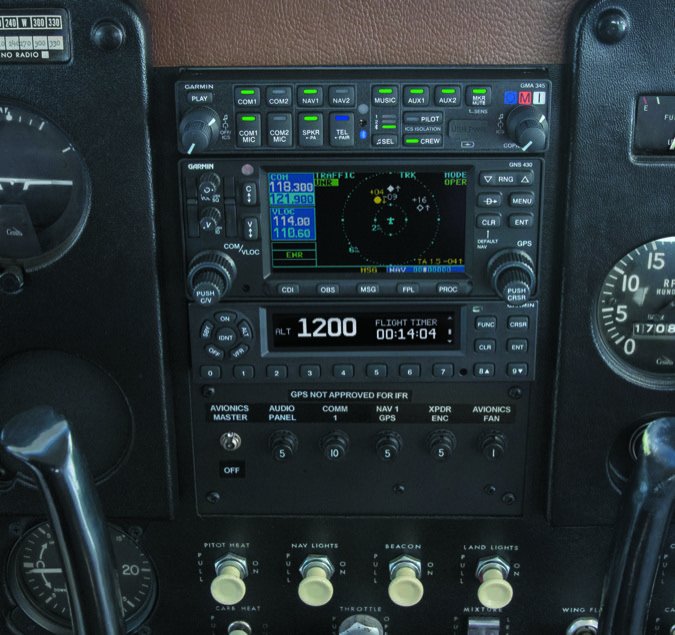
This is a worth a few words, as we often get questions about stereo interfaces with monaural headsets. Using a monaural headset in a stereo jack shorts the right headset channel output to ground. It doesn’t damage the audio panel or the headsets, but plug in with a monaural headset and you’ll hear the left channel in both ears. If a monaural headset is used at one of the passenger positions, any other passenger using a stereo headset hears audio in the left ear only. Ask your installer about your setup.

Read More »

Replacement Plastic: Lower Prices, More PMAs

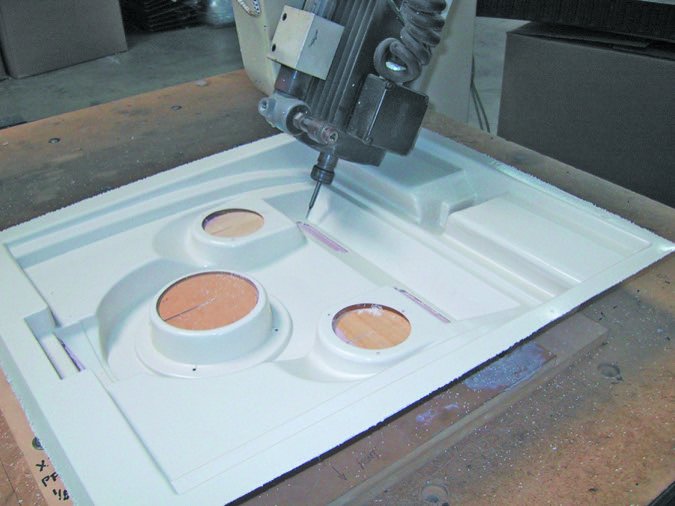
Elevator tips, window trims, door panels and plastic parts that need to be removed for annual inspections might live the hardest lives, while others wear prematurely because they are prone to vibration. Parts that stick out might get hurt the most, and landing legs and fairings take a beating. Luckily, plastic parts can be repaired and some damage can be hidden, but eventually you run out of washers big enough to hide cracked or oversized holes. There’s no set lifespan for a given piece of aircraft plastic, but in general about every 20 years or so most plastic has degraded enough to require replacement. On the other hand, weve seen 40-year-old aircraft with original plastic components that look they just rolled off the factory floor. For preserving interior plastic, using cabin sun shields and covers is a huge help.

Read More »

SpotX Messenger: Robust, Sized Right

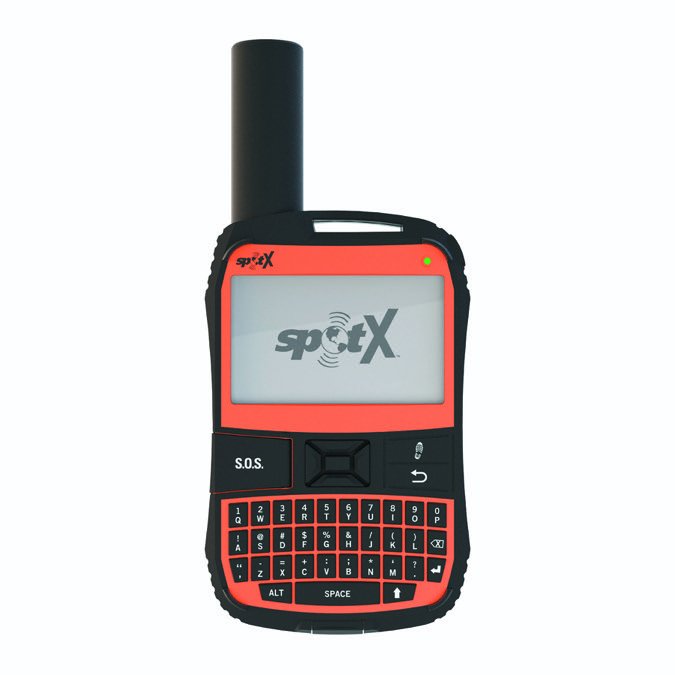
SpotX is assigned a telephone number for your appropriate country during activation. This allows contacts in the same country to send SMS messages to your SpotX without incurring any additional fees. There are four key components to the SpotX product: the SpotX hardware, its activation and service plan, its configuration through the website and the SpotX Device Updater application used to synchronize account information and update firmware. As weve learned from other satcomms, setup and activation can be a chore. For the SpotX, it begins with setting up an account on the FindMeSpot website from a Mac or PC, requiring a credit card for payment and information about your hardware.

Read More »

Prop Inspections: More Than Surface Flaws

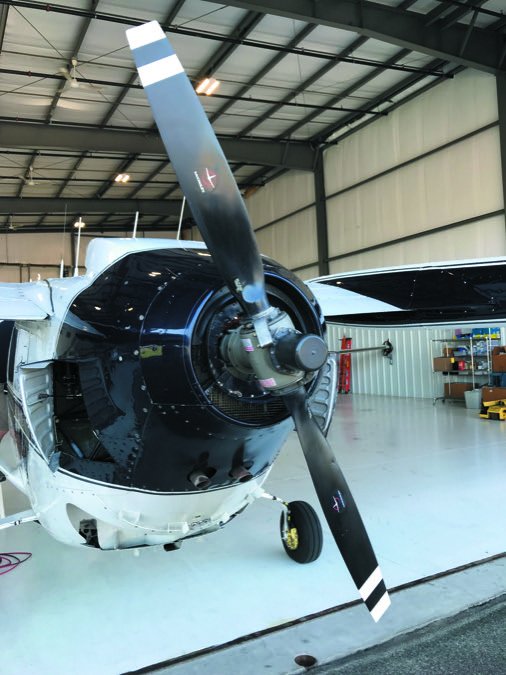
A propeller and its systems are more complex (and critical) than you might realize, evident by the detailed inspection procedures prescribed by the prop manufacturer. The good news is there is a lot of inspecting that can be done without even removing the blades from the aircraft. The FAAs advisory circular AC 20-37E is worth a read as it provides guidance for aircraft propeller maintenance. In particular, the AC provides information and suggests procedures to both increase service life and to minimize failures of metal propellers. Wood and composite props generally follow different repair guidance.

Read More »

Letters From Readers: October 2018

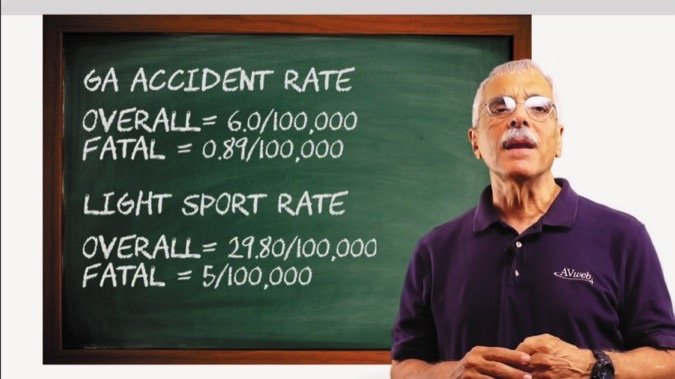
Conspicuous by its absence is any mention of the Evektor Sportstar. We had (past tense) several of them here in southern Indiana, and I administered a lot of checkrides in the Sportstar. I believe that the Sportstar is a major player in the LSA community, with a couple hundred of them flying in the U.S. At one point I think they were the third most numerous LSA, behind Flight Design and Legend. That would put them in the middle of the pack of the ones you considered. And I know the Sportstar had its share of accidents. Why did you omit the Evektor from your accident statistics?

Read More »

Mooney Acclaim Ultra: Tops in Raw Speed

Although its really an incremental upgrade to the long-body M20 series, the Acclaim Ultra was a major certification project for Mooney at a time when were not seeing many of those-from anyone. The results inarguably make the Acclaim Ultra the fastest four-place certified single-engine piston airplane and not just by a little. The Acclaim goes head to head with both its normally aspirated sibling, the Ovation Ultra (see February 2018 Aviation Consumer) and both Cirrus models, the SR22 and SR22T which, together, constitute the current market leaders. That puts the Acclaim into a niche within a niche-a slice of buyers who want speed, but care less about cabin size or payload. Pricewise, at $789,000 base, the Acclaim invoices below the typical Cirrus models.

Read More »