










Insurance

Lease-Back Part 135: Worth it for Your Plane?

One of the questions we get from readers is whether they can cut their aircraft ownership costs by entering into a lease agreement with their local Part 135 operator. Theyd like their airplanes to generate income by being flown on charters by the operators pilots while the owners sit comfortably at home in front of the TV. Our response: It sounds good if you say it fast, but the downside can be terribly expensive for the owner. Anyone considering leasing her or his airplane to a Part 135 operator should go in with eyes wide open and a full understanding of the procedures and costs involved in putting an airplane onto a 135 operating certificate and keeping it there.

Read More »

Cessna 120/140

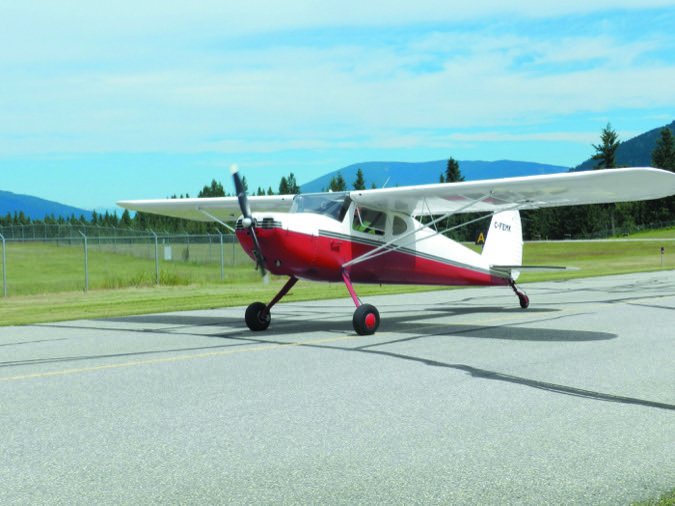
The first of Cessna models to be built in volume was the diminutive Cessna 140, followed a month later by a stripped-down version called the 120. At the time, the Cessna 120/140s were perfectly serviceable and practical two-place airplanes. They were reasonably priced to buy and economical to own. There was a reason for that.

Read More »

Rescue Buys: Think Salvage Value

At nearly every airport you’ll find aircraft that havent flown in years. Some are hidden in private hangars, some are stashed in the corners of maintenance shop hangars and some are ramp derelicts that are begging for rescue from the harsh elements. Is it worth getting involved with these neglected birds given the number of airworthy ones on the current market? The short answer is maybe, but only with the right approach and a healthy dose of realism. Hint: Seldom is there a great deal.

Read More »

Cirrus Vision Jet: Near Perfect Execution

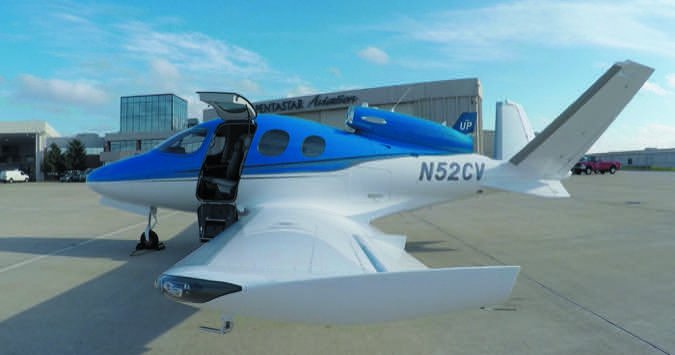
For a moment, lets forget that the Cirrus SF50 Vision Jet is arguably the most technically advanced personal light aircraft weve ever flown. Or that Cirrus likely will achieve its goal of making it a safe step-up jet for qualified SR22 piston pilots. Moreover, its cabin and cockpit dwelling is perhaps the most satisfying weve experienced. But in our view, the most impressive thing about the Part 23-certified SF50 is that it even exists to talk about.

Read More »

Lycoming Rod SB: How Large a Problem?

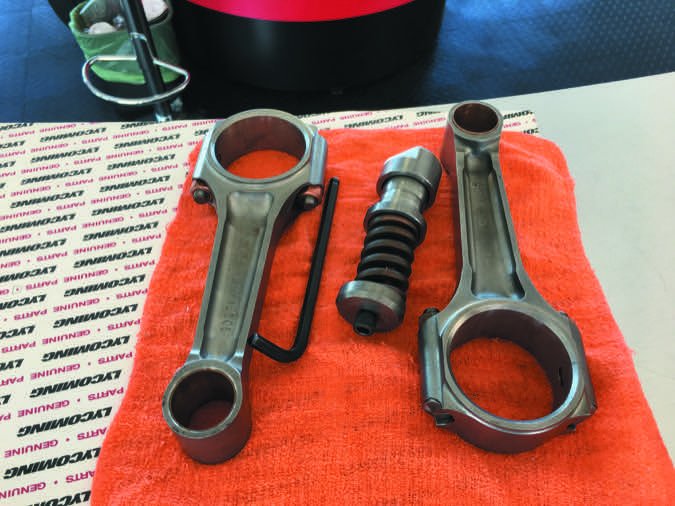
As we go to press in early August, Lycoming, field shops and owners were struggling to clarify a service bulletin that requires inspection and possible replacement of connecting rod bushings in hundreds of Lycoming engines. The mandatory service bulletin-SB632-was announced on July 17, just ahead of AirVenture. Two weeks later, shops tell us they are still fielding calls from worried owners trying to understand the scope of the bushing issue.

Read More »

Letters From Readers: September 2017

I read Larry Anglisanos First Word commentary about the shrinking ANR headset market in the August 2017 Aviation Consumer and was sur- prised that the $895 David Clark DC One-X, launched in March 2016, was not mentioned among the others in the premium headset category. In developing this headset, it was cer- tainly our intention to target the premium ANR headset market and the success of this product, as we’ll as the response from the pilot community, con rms that we hit the mark.

Read More »

Airbag Seatbelts: Pricey, But Effective

Weve long urged aircraft owners to retrofit shoulder harnesses for all seats of their airplanes if at all possible. The simple reason is that a restraint system that keeps your head and upper torso from smacking into the instrument panel or seat in front of you during an accident sequence is the single most effective mod you can make to your airplane to radically increase the chance of everyone aboard surviving an accident.

Read More »

L-3 NGT9000 ADS-B: Expanded Capabilities

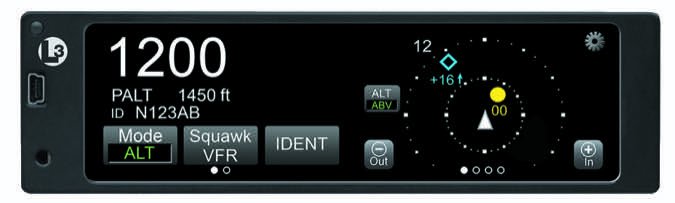
When L-3 introduced the Lynx NGT9000 multifunction ADS-B transponder in 2015, we nearly dismissed it for all but the highest-end applications. With a starting price that put it we’ll north of ten grand, the NGT9000 seemed like a questionable investment for buyers looking for an affordable path to ADS-B compliance.

Read More »

Insurance For Seniors: Loyalty, Currency Matter

When we last looked at insurance for older pilots, the insurance market was in the midst of a soft market cycle, or at least we thought it was. Almost four years later, there are even more insurers than there were then. As the GA fleet in the U.S. continues to gradually shrink, there are more insurance dollars chasing fewer airplanes. As a result, rates and underwriting guidelines are even softer now than they were then.

Read More »

Aviation Insurance Market Scan: Shop Aggressively

The market for aviation insurance continues to be soft-perhaps very soft. There are simply too many aviation insurance companies offering to sell policies, relative to the number of aircraft owners looking to buy them. And each of these too-many companies is trying to keep the customers it has, and to grow by taking customers away from one of the other companies.

Read More »

Aircraft Warranties Are Not What They Were (And We’re Happy About It)

Back in 1977, the longest warranty most manufacturers could afford to offer on a new aircraft was six months with no hourly limit. There were a few market exceptions, including the newly introduced Meyers 200, which came with a one-year warranty. Its easy to understand the gripe an owner of a $300,000 aircraft had when left stranded because his new cabin-class twin broke down far from home base. Meanwhile, car makers like American Motors were picking up the hotel and bar tabs for owners waiting for repairs on a $5000 Pacer.

Read More »