










Aircraft Stepups

Download the Full December 2011 Issue PDF

In the pay-to-play, NextGen future the FAA is shaping, its no surprise that someone latched onto the idea that the government should stop giving this valuable data away for nothing. (Well, except we paid for it last April, right about the 15th of the month.) But the scheme cant work. If there’s anything the website world has proven is that people wont pay more than peanuts for digital data if there’s any way around it. If the FAA tries to recoup serious royalties from the data the way it made a return on paper chart sales, itll kill the industry. Most people will get just the barest charts they need (paper or digital), troll the internet for bits of free data to supplement (even though free sites like RunwayFinder will vanish), and fl y with whatever stuff they have.

Read More »

Seatbelt Upgrades: No Excuse for Bad Belts

The FAA didn’t get serious about seatbelts until 1978, and even then it was only requiring shoulder restraints for the front seats. Ten years later, they added the rear. Given how long aircraft stay in service, that means there are thousands of craft flying every day with inadequate protection for the most valuable item on board. If you’re flying with only a lap belt—shame on you. As much as some pilots don’t like having belts over their shoulders, the study data has been clear for decades: 88 percent of injuries and 20 percent of fatalities can be eliminated by adding shoulder or additional restraints over lap belts alone, according to the the FAA.

Read More »

Buying Into NextGen: Piecemeal May Be Best

If you have an IFR-certified GPS with WAAS in your panel, you’re already equipped to take advantage of the bulk of what NextGen has to offer GA today. There, don’t you feel better? The reason is that NextGen is a fat catch-all for a host of technologies that mostly target airlines and major airport ground ops. Biz jets will reap some of the airline-focused bennies, but for the bulk of GA, NextGen boils down to RNAV instrument approaches and ADS-B. And it will likely remain that way for the next decade at least.

Read More »

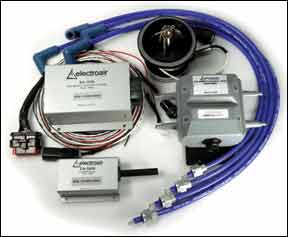
Electroair Ignition: Affordable Electronics

Electronic ignition systems for conventional aircraft engines haven’t exactly had a fun ride. Although solid-state ignitions have made inroads in the experimental market, makers of OEM aircraft have shunned them and even though the airplane ownership community has its share of gearheads, there haven’t been enough of them to make ideas like Unison’s LASAR magnetos or Continental’s PowerLink FADEC take flight. Even in airplanes wired with cutting—edge glass, stone-age magnetos are still the ignition of choice, straight from the factory. If conversion to electronic ignition is somehow inevitable, a Michigan-based company called Electroair aims to be its latest leading edge. Electroair is taking another run at the electronic ignition idea, this time with an aftermarket replacement system evolved from an experimental product that’s been on the market for more than a decade.

Read More »

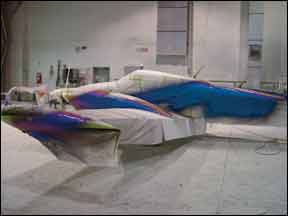
Paint Shop Survey: Many to Choose From

When aircraft maintenance budgets get tight, paint and interiors are the first things to get put off. This may be part of the reason our latest survey of paint shops turned up fewer top-rated shops than the one we did five years ago. Natural selection is weeding out shops that don’t deliver in quality and service. The good news for anyone with paint so tired it blends in with a canopy cover is that prices have barely moved-perhaps even dropped slightly if corrected for inflation-and there are still several high-skill shops in business around the country (with the seeming exception of the Pacific Northwest). You should be able to find a place to get great paint without crossing multiple time zones.

Read More »

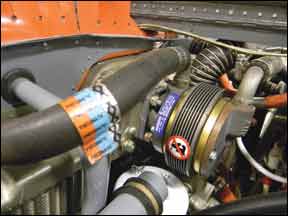
Aftermarket Air: Portables a New Option

There’s not a pilot out there who hasnt pined for an AC button to push after just minutes holding short of the runway in the summer heat. But the harsh reality is that aircraft AC systems cost in all the ways we hate: weight, power draw and money. How much? Try 45-90 pounds, several horsepower and five digits before the decimal for the equipment. Now add the install time, which can top 100 hours. Not much has changed with installed systems since we last looked at AC in 2008, except for the option of a “portable” AC unit. Compressing AC refrigerant is either done directly off the engine or via an electrically powered compressor. The engine-driven option is usually used for small aircraft. It works passably on the ground, but doesnt really pack a punch until the engine is turning faster. The compressor must fit somewhere under the cowl, but you don’t need a high-output alternator.

Read More »

Prop Replacements: Growing Competition

Coded into the DNA of every aircraft owner is a grim acceptance that engine overhauls are a fact of life. But prop overhauls and replacements tend to be last-minute, kicking-and-screaming add-ons and with costs up and flight hours down, there are probably more substandard-if not dangerous-props in the field than ever. At least a couple of prop shops weve talked to report that the overhaul business is down, suggesting owners are stretching prop TBOs more than they used to. Thats bad. But the good news is that the competition in the new prop market is hotter than ever and getting even hotter, thanks to MT-Propellers aggressive push into both the OEM and STC replacement markets. This has forced the established manufacturers, Hartzell and McCauley, to respond in kind, although those two companies don’t agree on where the market will move in terms of materials choices.

Read More »

Going Vacuumless: Say Gbye to the Pump

From the moment light singles started shipping with no pneumatic (vacuum or pressure) instruments, its been the dream of many an owner to yank out the maintenance-hungry vacuum pumps and replace the pneumatic instruments with electric ones. Doing away with pneumatics makes even more sense after a glass panel upgrade where the only item left is usually a vacuum-driven attitude indicator doing duty as a backup. A dry-vane vacuum pump with over 500 hours in service is of questionable reliability. Many pneumatic instruments last over 1000 hours, but thats the exception rather than the rule. There are also the filters to check and replace.

Read More »

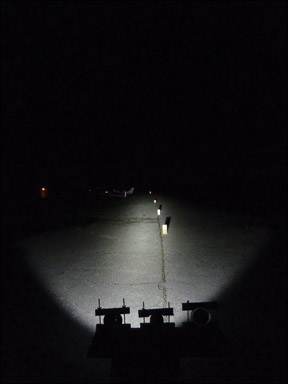
LED Landing Lights: Worth the Expense

In case you havent noticed, the compact fluorescent bulb-once the darling of the green energy set-is dead meat. Its soon to be displaced by cheaper, brighter and more efficient light emitting diode technology. The same has happened in automotive lighting and many new light sport aircraft have LED nav and landing lights. Legacy certified aircraft would probably have more LED technology too, if the FAA hadnt worked so hard to chill the market by raising expensive certification hoops. Nonetheless, a few hardy companies have created LED products-landing and taxi lights and nav lights-for the aftermarket. The market has actually expanded slightly since we last examined these products a year-and-a-half ago.

Read More »