









Register

Safety

Are More Pilots Blowing Off the Regs?

One of our readers-an airplane owner and active CFI-recently called to ask why the magazine doesnt bring more attention to rule-bending, which he thinks is a growing trend. Although he had no hard statistics to back up his assertion, he offered the stereotype that older and financially capable pilots with medical issues are getting their hands on technically advanced and highly automated aircraft (yes, he mentions Cirrus). He went on that the combination of an aging pilot population and the anticipation of third class medical reform is making for a lot of scofflaws, while the advocacy of AOPA and other alphabets is fostering an arrogant sense of entitlement among the older and financially flush GA pilot community.

Read More »

Magneto Upkeep: Not Worth Overhauling

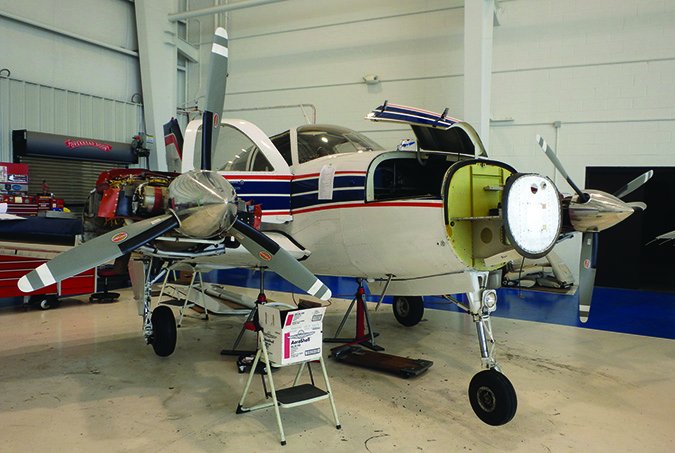
The magnetos weve been relying on to fire our aircrafts spark plugs may be the trailing edge of technology, yet if cared for appropriately, they are remarkably reliable. Its the cared for part of the equation that matters-because they do require regular maintenance, otherwise some failure modes can mean engine stoppage or even catastrophic engine damage in a matter of seconds. The good news is that keeping your mags healthy usually costs less than two dollars per hour of engine operation per mag.

Read More »

Aviation Insurance Market Scan: Shop Aggressively

The market for aviation insurance continues to be soft-perhaps very soft. There are simply too many aviation insurance companies offering to sell policies, relative to the number of aircraft owners looking to buy them. And each of these too-many companies is trying to keep the customers it has, and to grow by taking customers away from one of the other companies.

Read More »

After the Dust Settles

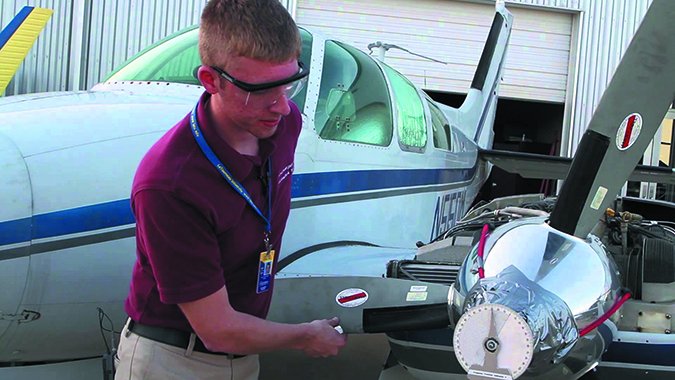
The unthinkable has just happened—you’ve damaged an airplane. The good news is that the airplane has stopped and you are conscious and able to move. Here’s a checklist for what to do next: • Shut off the fuel, master switch and mags. • Get everyone out of the airplane and move away from it. While […]

Read More »

Test Flight Wrecks

In the bad old days of aircraft maintenance, it wasn’t uncommon for shop personnel to fly customer aircraft as part of troubleshooting and final testing. Now insurance and liability issues generally quash the idea. The hangar keepers liability insurance policy shops carry might only cover ground ops. This often results in the shop technician flying […]

Read More »

Seaplane Training, KSN770 Counterpoint, Narco Avionics Support

I read with interest your coverage of seaplane transition training in your last issue, since Im planning on earning my rating to transition to the Glastar amphib Im building. I was surprised how gently Aviation Consumer treated a product that has been promised for years, has been offered for sale since 2014, yet has so many major shortcomings. I wish you guys would write another report on servicing old avionics. It seems there are many in service that need repair.

Read More »

Seaplane Ratings: Jack Browns Approach

Browns offers two options for SES training at the private or commercial pilot level. Either curriculum includes 1.5 hours of ground instruction, five hours of dual instruction in one of Browns 100-HP Piper J-3 Cubs, plus a checkride, which is administered by company principle and FAA designated examiner Jon Brown or his brother Chuck Brown. The course has a flat-rate fee of $1400, which also includes the examiner fees.

Read More »

SES Initial: Shouldn’t This Be Easier?

Since a good teacher is always learning, I set out to do just that when I immersed myself in Jack Browns initial seaplane training course. Ive been instructing part and full time for over 10 years, so I guess I was due for a good lesson. Hopefully the following can help your transition. …

Read More »

Seaplane Rentals: Good Luck with That

With fresh seaplane rating in hand and your chest puffed out with seaplane pilot ego, thoughts turn to actually renting a seaplane to feed your new addiction. Unfortunately, that could be a pipe dream. The buzz-killing reality is that seaplane rentals are few and far between. After surviving the initial training and seeing your instructor […]

Read More »

Electronic Pilot Logs: We Favor EFB Integration

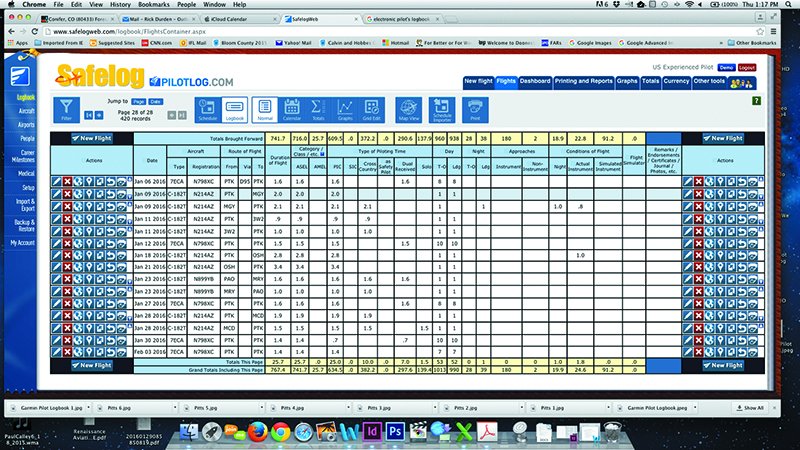
Electronic pilot logbooks have become ubiquitous in the last few years. Weve been impressed that a lot of skull sweat has gone into making them easy to use as we’ll as a safe place to keep something very important to you-your history as a pilot. We looked at a representative sampling and liked what we saw.

Read More »

Autonomy is the New Parachute

If the FAA gives it the nod, autonomy could help sell some airplanes. More on that in a minute. As Cirrus and other manufacturers have proven, whole airplane parachutes are deal-closing accessories, especially for new pilots and skeptical passengers. This when-all-else-fails backstop has even trickled down to unsuspecting backwoods utility taildraggers, with Cubcrafters recently introducing a BRS (Ballistic Recovery System) option for its Carbon Cub and Sport Cub models. The BRS will add roughly 40 pounds to the airframe, while tacking on $14,000 to the price. Its also available for retrofit.

Read More »

Flight Review Prep Resources

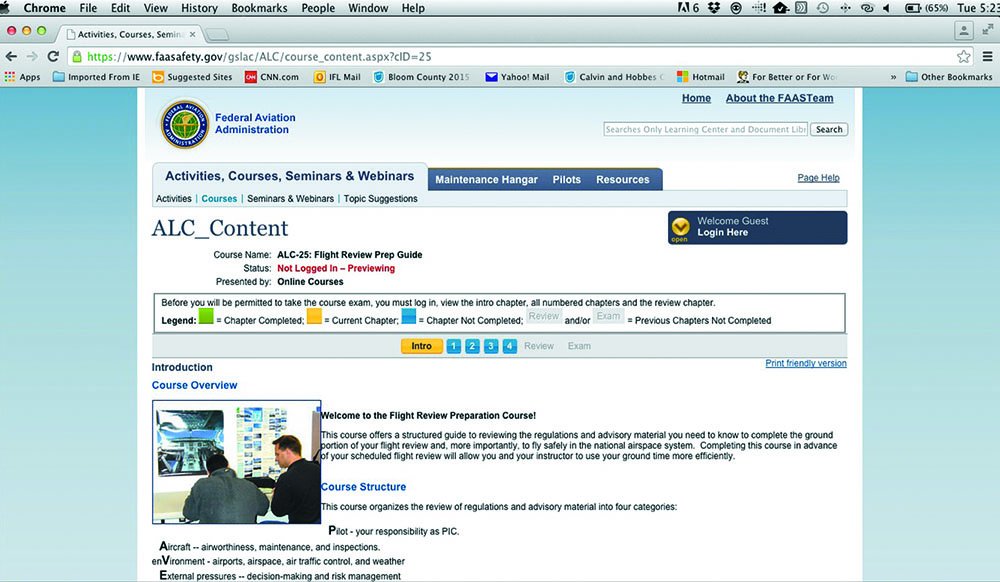
With flight reviews being the overwhelming method used by pilots to comply with the Part 61.56 recurrent training mandate, its no surprise that there are preparation materials available from a number of sources. Our survey of whats out there uncovered a half-dozen good ones. AOPA and the Air Safety Institute have a number of videos, online courses and web pages that provide material of benefit to pilots preparing for their FR. Specifically, other than the acting,…

Read More »