









Register

Safety

Best Aircraft Exhaust Systems

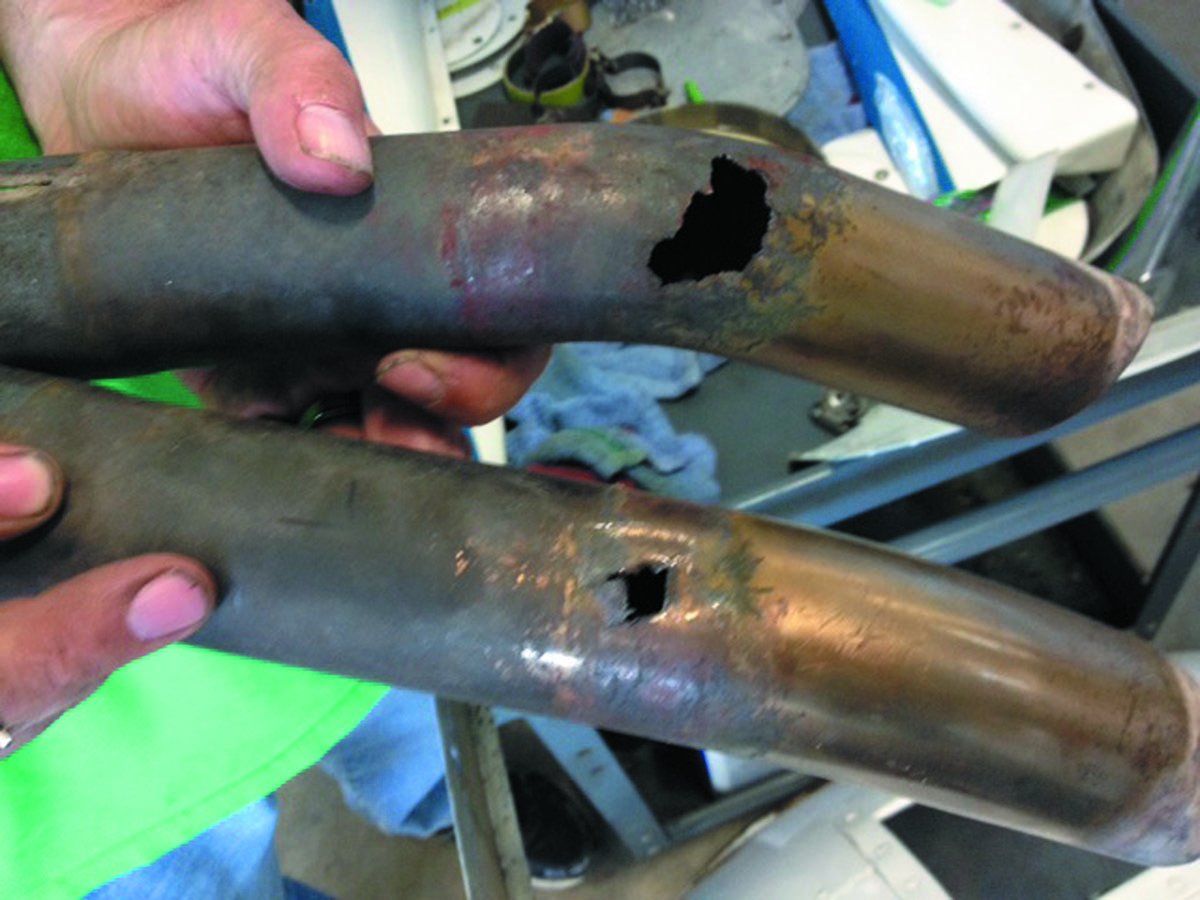
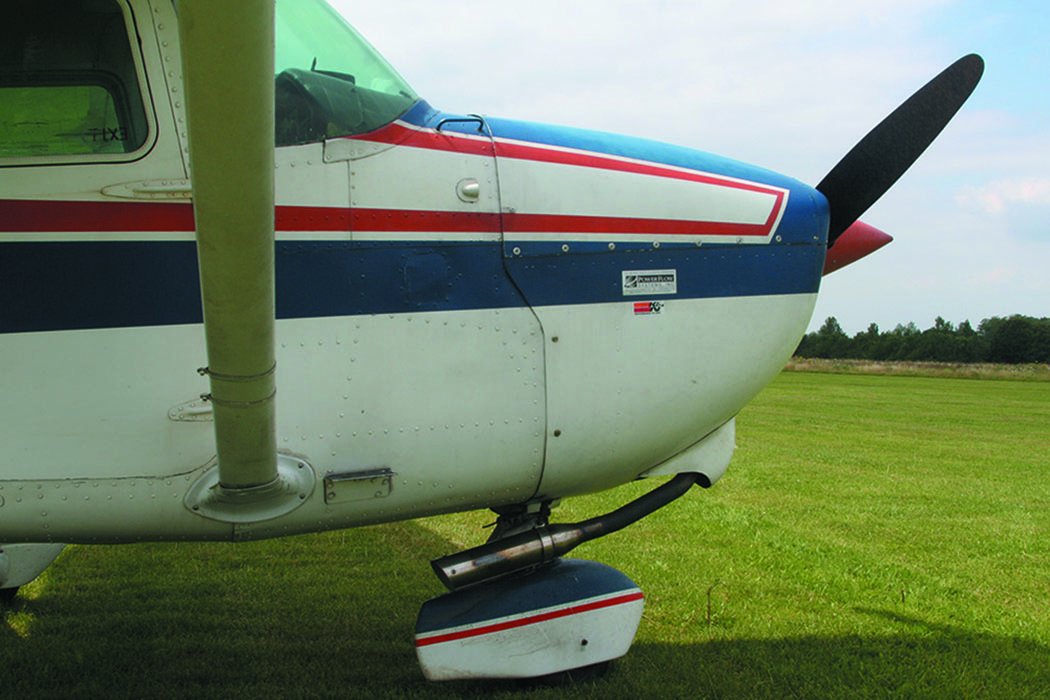
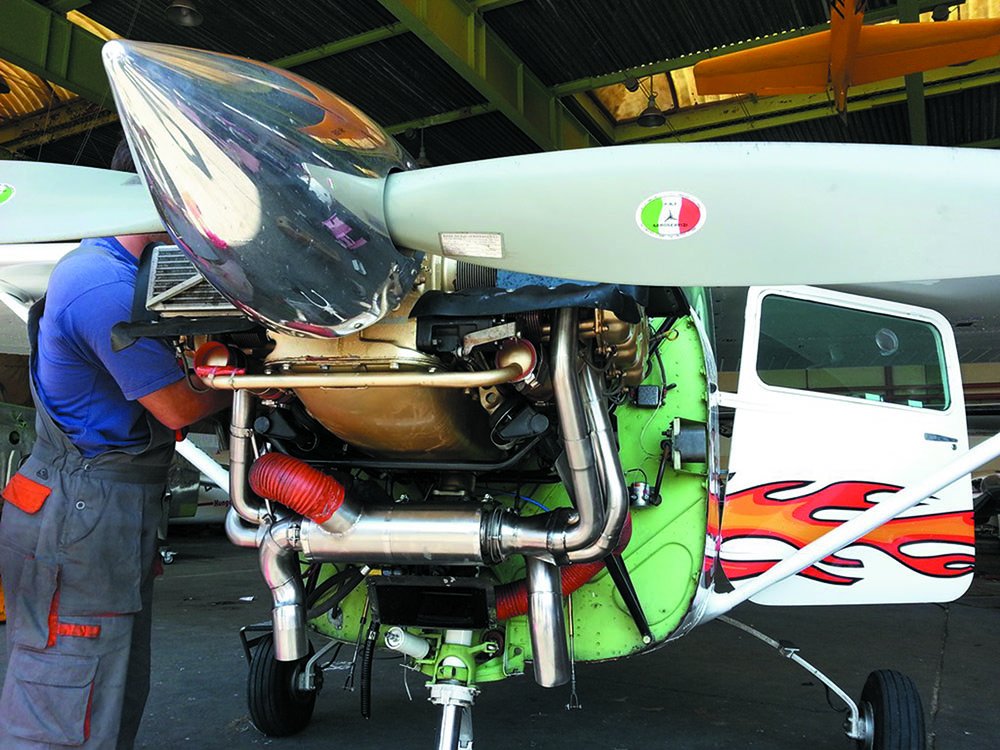
In 1995, following 10 years of running a company that performed aircraft exhaust system repairs, Dane Wagner opened Leading Edge Exhaust Systems (LEES) (www.wemakeyoufly.com), in Anchorage, Alaska. He was determined to build aircraft exhaust systems that were not only of higher quality and more robust than OEM equipment but that would allow the engine to develop more power. Having experience with the needs of the Alaska bush operators, he targeted their airplanes of choice, the…

Read More »

Aircraft Warranties Are Not What They Were (And We’re Happy About It)

Back in 1977, the longest warranty most manufacturers could afford to offer on a new aircraft was six months with no hourly limit. There were a few market exceptions, including the newly introduced Meyers 200, which came with a one-year warranty. Its easy to understand the gripe an owner of a $300,000 aircraft had when left stranded because his new cabin-class twin broke down far from home base. Meanwhile, car makers like American Motors were picking up the hotel and bar tabs for owners waiting for repairs on a $5000 Pacer.

Read More »

CAN I GET INSURANCE?

We asked Jon Doolittle, principal of Sutton James aviation insurance brokers and a CFI, about the insurance market for a new tailwheel pilot buying his dream airplane. He told us that it depends a little on what kind of airplane. For Cubs, Champs, Citabrias and similar, fairly benign handling machines, 10 hours of dual, including a tailwheel sign off, will work. Some companies do not require a specific number of hours, just an endorsement will suffice.

Read More »

Tailwheel Training: Bring Your A Game

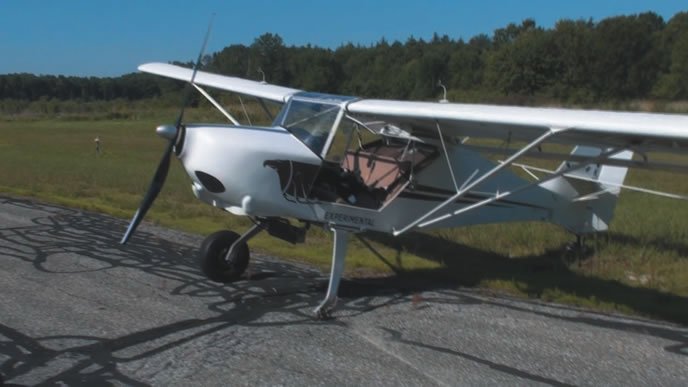
Youve been thinking about getting a tailwheel checkout and endorsement and, to be truly honest with yourself, about buying a tailwheel airplane. You cant help it, the advertisements with the tailwheel airplane sitting on some lovely backcountry airstrip have gotten to you-or you want to switch over to a legacy light sport bird. Plus, youre a little tired of hearing real pilots fly tailwheels when you don’t-yet.

Read More »

Personal Flotation Devices: Wide Market Choice

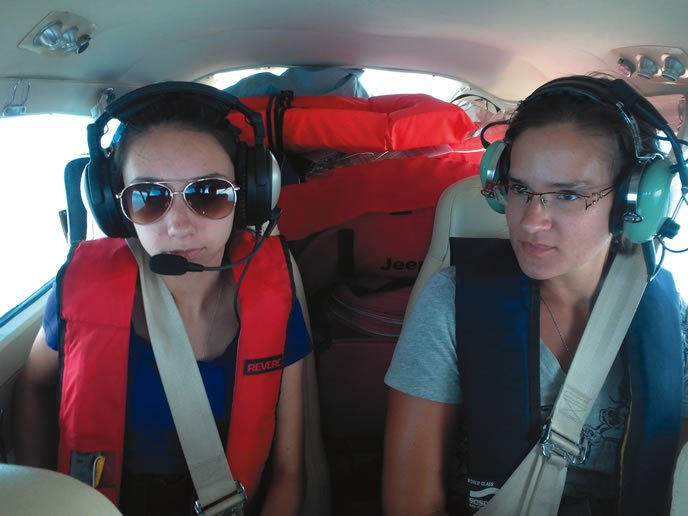
If you fly one of the vast majority of general aviation aircraft, you can legally operate over any of the waters in and around the U.S. without any sort of flotation device aboard. The requirement to carry survival equipment for operations over water more than 50 miles from land set out in FAR 91.509 only applies to airplanes weighing over 12,500 pounds and turbojets. We bugsmasher operators don’t have to carry so much as a set of water wings.

Read More »

Letters: August 2015

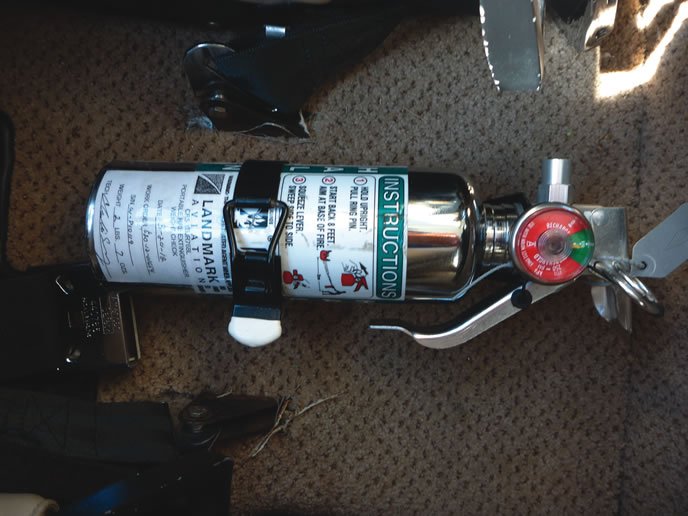
After reading the fire extinguisher article in the June 2015 issue of Aviation Consumer, I have some confusion about extinguisher size, partially because one photo example was apparently omitted from the article. I assume that a fire extinguisher with a 2BC nomenclature in its model identification is two pounds of fire suppressant, and the 5 prefix indicates five pounds.

Read More »

Light Sport Liability Insurance: Not So Soft

As the number of Light Sport airplanes increases and more pilots are opting to forego the third class medical and simply fly Light Sport, we were curious to see how the insurance market is for liability coverage for those airplanes.

Read More »

Policy Sublimits: Wealth Hazard?

For more than 30 years, the most popular liability policy in aviation has provided coverage of $1 million with sublimits of $100,000. Owners sleep soundly at night, confident that they have an insurance pool of a million bucks should they roll Ol Bessy into a ball. These same owners have the personal net worth necessary to own an airplane and often have auto and homeowners insurance that has at least $1 million in liability coverage.

Read More »

Aviation Insurance: Soft Market, Low Prices

There are only some 200,000 aircraft in the U.S.-there are more cars than that in a large town-so why any profit-oriented insurer would enter such a restricted market seems to defy logic. Yet, in the last decade, the number of aviation insurance underwriters has gone from the old, hard core of nine to 14, an increase of more than 50 percent. The result is predictable-with a relatively large number of companies competing in a limited market, insurance premiums are low and owners have little trouble getting coverage.

Read More »

Back it Up

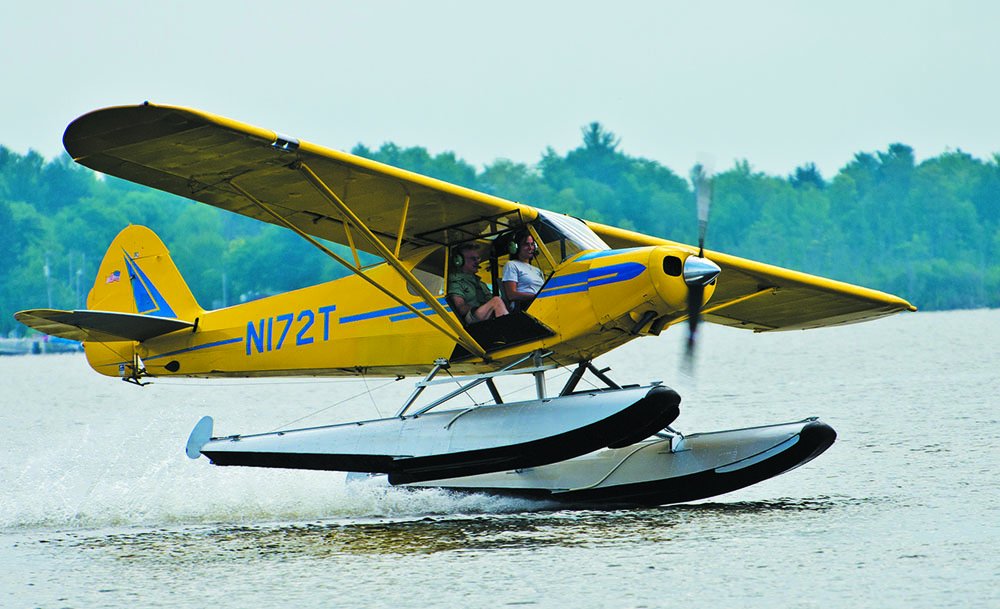
One of the bugaboos of operating most seaplanes is that once the engine is running, the seaplane is moving forward. To stop moving, you have to either shut the engine off or hit something-neither of which may be desirable. Maneuvering a seaplane in tight quarters, especially when there is a wind blowing or current flowing, can be challenging at the least and expensive if things get out of hand.

Read More »

MEANWHILE, IN KERRVILLE…

If the all-metal, high-build-hour M20 series is a sunset product, Mooney figures it will find some sales in the twilight. In addition to investing heavily in M10T/J design and production, the company has poured at least $1.4 million into its Kerrville, Texas, plant, where Mooneys have been built since 1946.

Read More »

Mooney Reinvented: A New World Trainer

Frustrated buyers who complain about the stratospheric prices of new airplanes sometimes argue-rightly or wrongly-that manufacturers could offer cheaper products if they would just build simpler airplanes using more automation in construction. With its surprise announcement of two new aircraft at last falls Zhuhai Airshow in China, Mooney may be about to test the theory. At the least, Mooney is poised to muscle into a market it heretofore barely dabbled in: trainers.

Read More »