









Register

Training

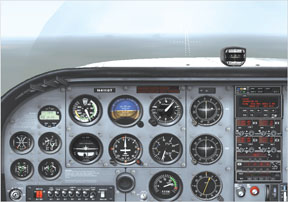
APSs Upset Training: Practical Survival Skills

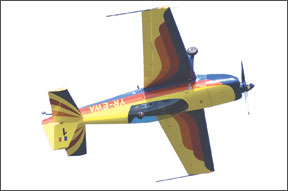
In a 2007 study going back more than 50 years, a Boeing safety group identified inflight loss of control as the number one source of airline fatalities. The 2008 Nall Report tells a similar story for general aviation. Loss of control inflight, or LOC-I in the argot of those who study aircraft accidents, includes a host of hazards ranging from garden-variety stalls to control surface hardovers and encounters with wake turbulence. LOC- I accidents happen to the spectrum of civilian pilots, from students to airline veterans. The stubbornness of LOC-I as the single largest cause of fatal accidents has a great deal to do with the way that we train. While the airlines have incorporated a number of loss-of-control scenarios in their training, general aviation hasnt really addressed the issue.

Read More »

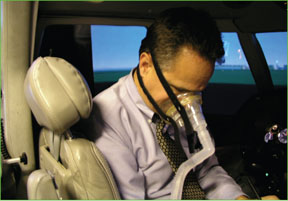
Better Hypoxia Training: Rob Bests a Chamber

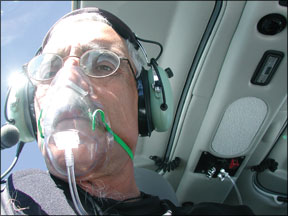
We sometimes think that another word for hypoxia ought to be denial or, at the very least, the phrase “false sense of well-being” should morph to “self-delusion.” In the aviation press, we have beaten the hypoxia topic to a pink pulp, because it lends itself so readily to the pointing of a boney finger at the profoundly stupid things pilots sometimes do. In this regard, hypoxia is the multi-headed beast-we can be dumb about ignoring its dangers, dumb about ignoring training meant to mitigate the risk and really dumb when it actually happens. And how often is that? We don’t really know, because even if an accident is caused by hypoxia, the post-mortem may offer only speculative conclusions. In many GA accidents, the true cause may drift downwind with the smoke from the wreckage simply because light aircraft forensics are so inadequate.

Read More »

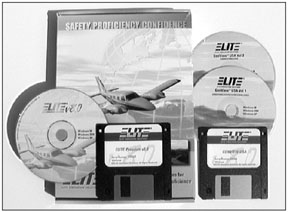
Online CFI Renewals: Jepp/AOPA is Top Pick

Heres a surprising statistic: Of the just under 600,000 pilots listed on the FAAs records 90,000-or about one in six-are flight instructors. How many actually actively teach? Probably under 50 percent, but instructor certificates are perishable items and the poor slugs who own them must renew them every 24 months. There are various ways to do this, but the most popular seems to be the flight instructor refresher clinic, or FIRC. For decades, these courses meant a three-day weekend sitting in a stuffy conference room with a bunch of other renewing CFIs in a ritual butt-numbing marathon. The dawn of the internet brought the option of grinding through 16 hours of online training sitting alone in front of a computer. All the drudgery without the camaraderie. Aint technology grand? But are these courses any good? Are they even tolerable? We looked at courses offered by American Flyers, Gleim Publications and a collaboration between Jeppesen and AOPA. Each approaches the online challenge differently, but they can be compared in three key areas: content, organization and price.

Read More »

G1000 Training: King Schools is Tops

Like the old saw about getting to Carnegie Hall, the only way to master the Garmin G1000 is practice, practice, practice. If youre a sometime user of this system or new to it entirely, youre wasting good money if you show up for your G1000 flights unprepared.

Read More »

FSIs Hypoxia Training

This innovative simulator-based program shows what its like to become utterly stupid in the cockpit from lack of oxygen. Its a worthy alternative to a chamber ride.

Read More »

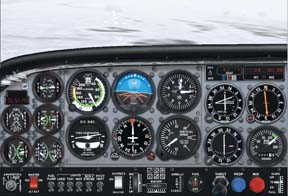
Garmin U

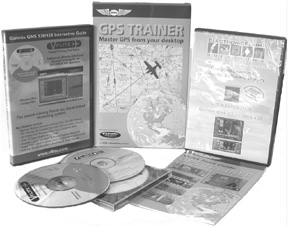
Need a little help learning Garmin gear? Interactive computer programs can help. Our top pick: VFLITE Interactive Guide from Pegasus.

Read More »