









Register

Safety

TSO Certifications:Here To Stay, For Now

Digging deeply into the installation data for Garmin’s new GTR200B comm radio got us thinking about the requirement of TSO certification. With autopilots and primary EFIS systems being approved without a TSO, but instead via AML-STC (approved model list supplemental type certificate), are the days of TSO approval coming to an end? Garmin-a company that cranks out a lot of them in short order-says no. You don’t have to dive far into the regulations to see why.

Read More »

Airframe Vibration: Look Beyond the Prop

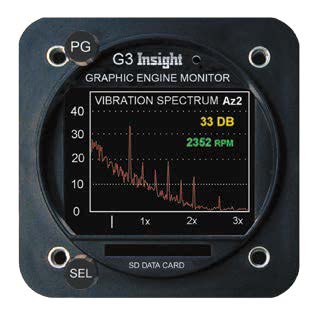
Although we’re primarily concerned with airframe vibration for this article, it’s worth a few words on engine mounts, or engine isolators, as they’re more appropriately called. We covered them in detail in the January 2015 Aviation Consumer. These elastomer donut-like components that live between the airframe and the engine serve the important purpose of dampening the rigid airframe from the hammering vibration of the engine and propeller. Engine vibes can certainly do damage, including cracking major structural components, loosening rivets, fatiguing metal and damaging instruments, to name a few issues. Steve Gruenberg, a professional vibration analyst, told us to “Think of airframe vibration as multiple impacts-as in taking a hammer to the structure.”

Read More »

Mayo Clinic Medicals: Preventive Focus

Dr. Clayton Cowl, chair of the Preventive, Occupational and Aerospace Medicine division, told us the department sees roughly 1800 patients per year, some with the most complex medical certification cases that you can imagine. According to Cowl, in all but a dozen or so cases spread out over 20 years the clinic was able to return those pilots to the flight line. As for the patients that the clinic couldn’t get certified, they simply shouldn’t be flying anyway, Cowl told us.

Read More »

VFR Refresher Courses:Sporty’s Rusty Pilot Tops

Course content is broken into nine sections, each of which begins with an audiovisual presentation. The presentations-slides with a voice-over-provide an overview of the section topic and generally run between 5 and 15 minutes. There is a note-taking function available during the presentations. Each presentation is followed by a 10-question true/false study quiz, which serves as a pretty good indicator of how much studying you need to be doing on the topic. Answers are reviewed after completion with explanations presented below the questions. Section reviews emphasize terminology, which might be quite useful for a pilot who has been away from the industry for a while, but less so for someone still comfortable with pilot lingo.

Read More »

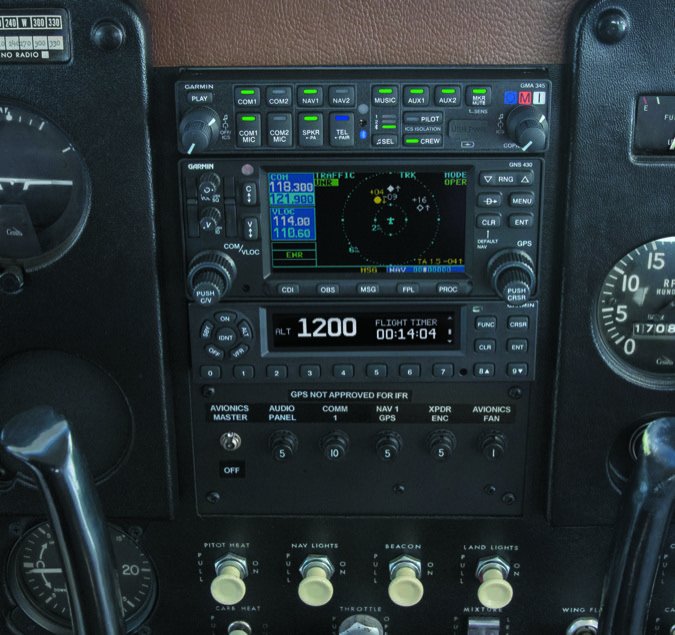
Garmin GMA345:Slide-and-Fly Audio Panel

This is a worth a few words, as we often get questions about stereo interfaces with monaural headsets. Using a monaural headset in a stereo jack shorts the right headset channel output to ground. It doesn’t damage the audio panel or the headsets, but plug in with a monaural headset and you’ll hear the left channel in both ears. If a monaural headset is used at one of the passenger positions, any other passenger using a stereo headset hears audio in the left ear only. Ask your installer about your setup.

Read More »

Private Pilot Training:Accelerate It?

Our, admittedly arbitrary, definition of “accelerated private pilot course” is one that is completed within a month. We surveyed a number of flight schools that offer such courses and spoke with some pilots who had completed one. Our conclusion is that, for a person who has the time, money and self-discipline to eat, sleep and breathe flying 8-12 hours a day for two or three weeks, an accelerated course is a better way to obtain a private pilot certificate than flying intermittently over the course of a few months or a year and costs about the same.

Read More »

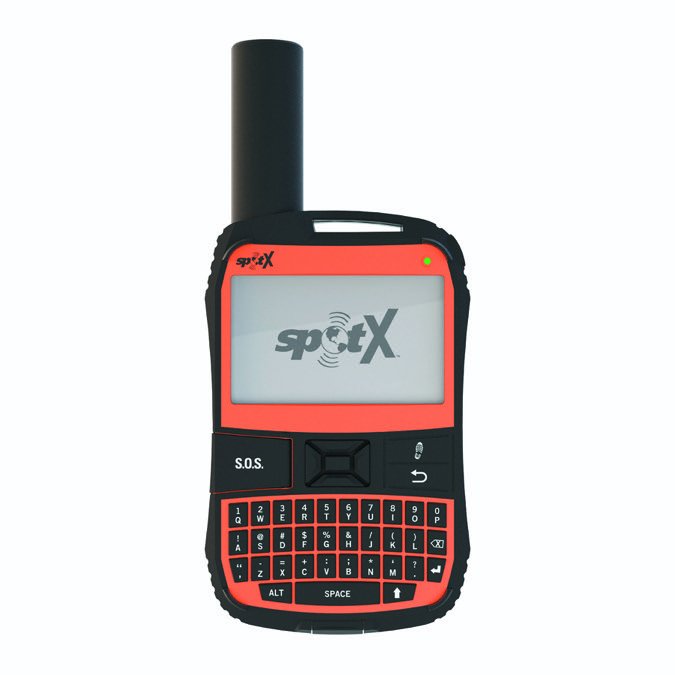
SpotX Messenger: Robust, Sized Right

SpotX is assigned a telephone number for your appropriate country during activation. This allows contacts in the same country to send SMS messages to your SpotX without incurring any additional fees. There are four key components to the SpotX product: the SpotX hardware, its activation and service plan, its configuration through the website and the SpotX Device Updater application used to synchronize account information and update firmware. As weve learned from other satcomms, setup and activation can be a chore. For the SpotX, it begins with setting up an account on the FindMeSpot website from a Mac or PC, requiring a credit card for payment and information about your hardware.

Read More »

Prop Inspections: More Than Surface Flaws

A propeller and its systems are more complex (and critical) than you might realize, evident by the detailed inspection procedures prescribed by the prop manufacturer. The good news is there is a lot of inspecting that can be done without even removing the blades from the aircraft. The FAAs advisory circular AC 20-37E is worth a read as it provides guidance for aircraft propeller maintenance. In particular, the AC provides information and suggests procedures to both increase service life and to minimize failures of metal propellers. Wood and composite props generally follow different repair guidance.

Read More »

Replacement Plastic: Lower Prices, More PMAs

Elevator tips, window trims, door panels and plastic parts that need to be removed for annual inspections might live the hardest lives, while others wear prematurely because they are prone to vibration. Parts that stick out might get hurt the most, and landing legs and fairings take a beating. Luckily, plastic parts can be repaired and some damage can be hidden, but eventually you run out of washers big enough to hide cracked or oversized holes. There’s no set lifespan for a given piece of aircraft plastic, but in general about every 20 years or so most plastic has degraded enough to require replacement. On the other hand, weve seen 40-year-old aircraft with original plastic components that look they just rolled off the factory floor. For preserving interior plastic, using cabin sun shields and covers is a huge help.

Read More »

Step-Up Sim Training: Tailor It For You

Any owner with the financial wherewithal to step into the world of aircraft with engines that go whoosh is smart enough to immediately talk the idea over with his or her insurance broker. In addition to getting a ballpark estimate for the cost to insure a used King Air, Citation Mustang or new HondaJet, one of the first things the prospective owner will hear from the broker is that any insurer is going to require upgrade training at a facility approved by the insurer.

Read More »

Letters From Readers: August 2018

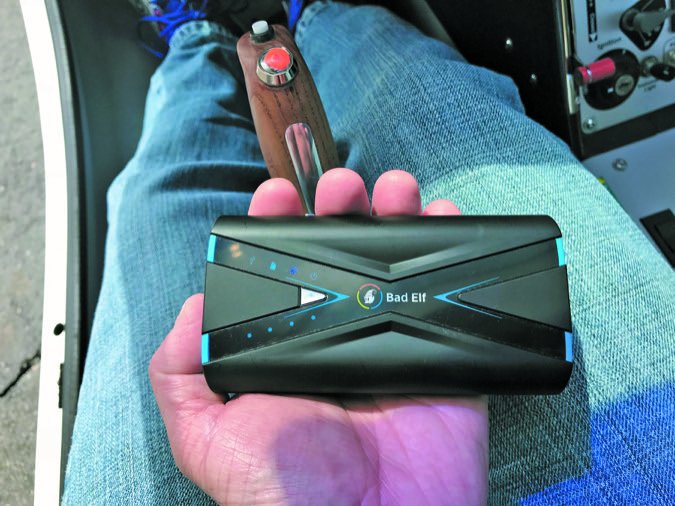
Bad Elf also suggested that flyGarmin customers who want to use the Wombat wait until the subscription has expired and then switch to the Jeppesen JDM because the cost is nearly the same and it will allow them to use the Wombat for remote avionics data updates. Worth mentioning is that Garmins Flight Stream 510 wireless card that performs a similar function (plus a variety of other ones, including flight plan transfer and data overlay) is in the $1500 price range, compared to the $250 Wombat piston model.

Read More »

LSA Accident Review: Nothing to Celebrate

Two decades ago, when the light sport aircraft idea was being hatched, skeptics worried that lighter, cheaper airplanes flown by pilots without medical certs would lead to a spike in the accident rate. After all, without FAA oversight of design, manufacturing and pilot health, how could it not? The reality, while challenging to pin down, is mixed. According to our review, the light sport segment definitely has a higher overall accident rate than that of legacy certified aircraft. The fatal accident rate, by our calculation, is also higher at 1.6/100,000 hour compared to 0.93 for all of GA, but this varies by aircraft model and is a marginal difference because of such small numbers.

Read More »