









Download the Full June 2018 Issue PDF
- SIMULATOR ROUNDUP
- FLIGHT DESIGN CTLSi GT
- LEVIL BOM
- LANDING DAMAGE
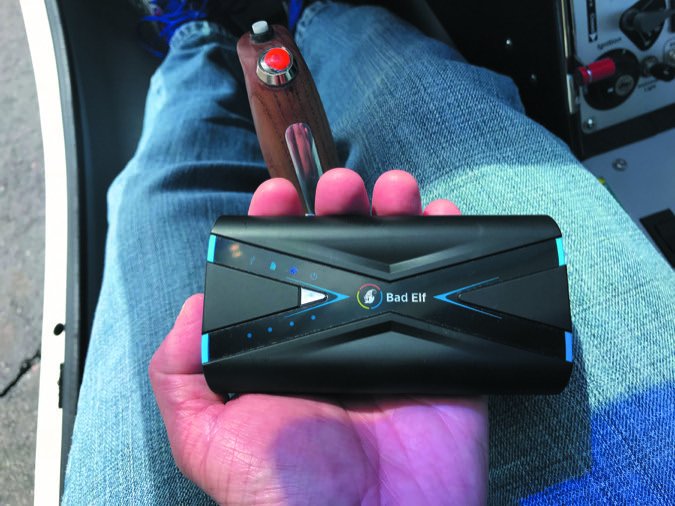
- BAD ELF WOMBAT
- BELLANCA VIKING
Every few years we take a close look at the U.S. general aviation insurance market. During the research we speak with underwriters and brokers to get a feeling for what changes they see, what problems they are having and what they anticipate coming down the track for those of us who write premium checks. …
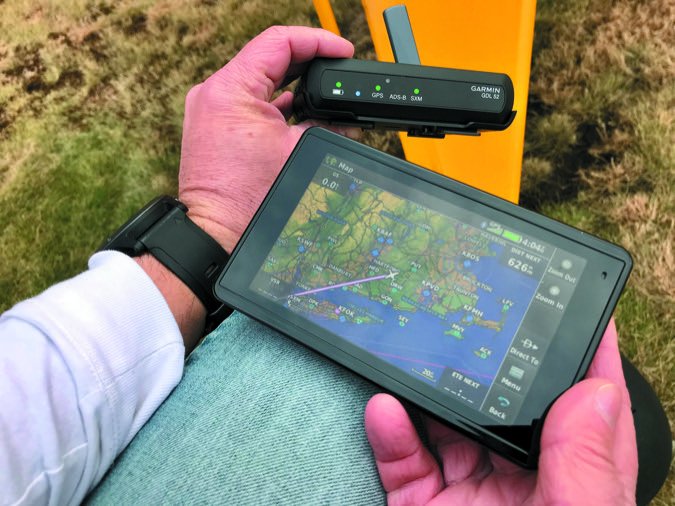
The new devices are completely redesigned and all three portable models (GDL50/51/52) share the same chassis. They stand 4.9 by 1.3 by 3.4 inches, weigh .75 pounds and have built-in antennas, but have inputs for external antennas. The receivers have an anti-skid base to keep them from sliding around when on the glareshield and Garmin has a securing base mounting bracket and a suction cup mount for the cable.
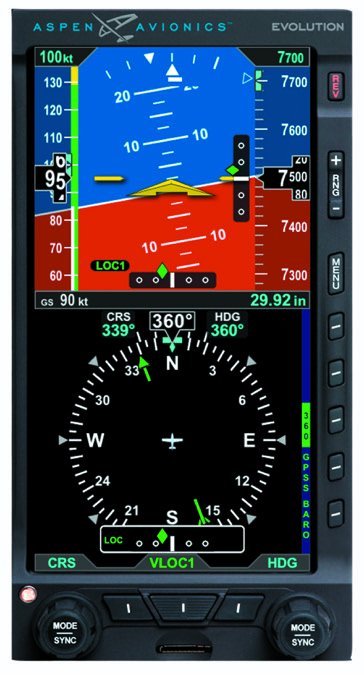
Thats my prediction for the coming years and we can all thank the FAA. Thats because the agency has a welcomed shift in mentality when it comes to certifying avionics, which of course has a direct effect on pricing. The reality check is that avionics technology has changed since the bad old days of analog equipment, and the long drawn out TSO pathway to certification is finally coming to an end.
After reading about three-blade prop upgrades in the April 2018 Aviation Consumer, I thought I would share my upgrade experience. After converting my elliptical prop tips to square tips by touching a runway at speed, I decided to change to a three-blade prop for my Mooney 231-not for the looks-but to have less noise and vibration without a performance penalty.
I read Larry Anglisanos editorial on FBO price gouging in the March 2018 Aviation Consumer and have some thoughts. Like Larry, I don’t mind paying for good FBO service when I avail myself of it, but these days with venture capital firms consolidating ever-larger chains of glitzy and highly profitable FBOs even at relatively small airports around the USA, it is getting increasingly difficult to avoid both sky-high fuel fees and onerous ramp charges.
Weve been around enough avionics installations to know that most every project can snowball once the aircraft hits the hangar floor. Thats especially true as more owners finally commit to ADS-B installations. If the aircraft hasnt seen an avionics installation in ages, low-budget buyers might noodle the idea of buying used GPS navigators. But what may seem like a smoking-good deal on used equipment websites could be a setup for a serious case of buyers remorse.
Call them ramp fees, facility charges or handling fees. When you pull up to many FBOs there’s a good chance you’ll be billed a flat-rate charge just for taking space on the ramp. In general, the larger the aircraft, the more you’ll pay. Most facilities that collect facility fees will waive them if you oblige by buying a specific amount of fuel, which of course always works out to be more than the fee. No matter what, my mentality is that I never expect anything for free and thats especially true when aviating.
The engine is the size of a large picnic basket, easily puts out more power than the biggest horizontally opposed piston pounder, has a TBO nearly twice as long, is more reliable and weighs less-so whats not to like about turboprop engines?
I read the Cessna 414 report in the February 2018 Aviation Consumer Used Aircraft Guide section with interest. My aircraft partner and I have owned three airplanes, including our current 1977 Cessna 414, through our nonprofit S Corporation. It is set up as a flying club, allowing for as many as five members, although weve never had more than three. There are three primary elements that affect our shared ownership arrangement.
Apopular (and lazy) journalistic toss away is to describe a company as owning a market. Yet no company does, not even 800-pound simians like Garmin and Cirrus. There are always buyers swimming against the tide and in the world of aviation, Mooney has made a business of scooping them up; a flea in a world of elephants.
At a time when nearly every pilot struts around with a tablet computer or smartphone running their favorite navigation app, we were surprised to see that pilot supplier giant ASA (Aviation Supplies and Academics) redesigned its CX-series flight computer.