









From Our Readers: SPOT Gen3, Garmin GPS and Intercooler Options
Trackers, intercoolers, and GPS- see what our readers have to say about last month’s featured topics.
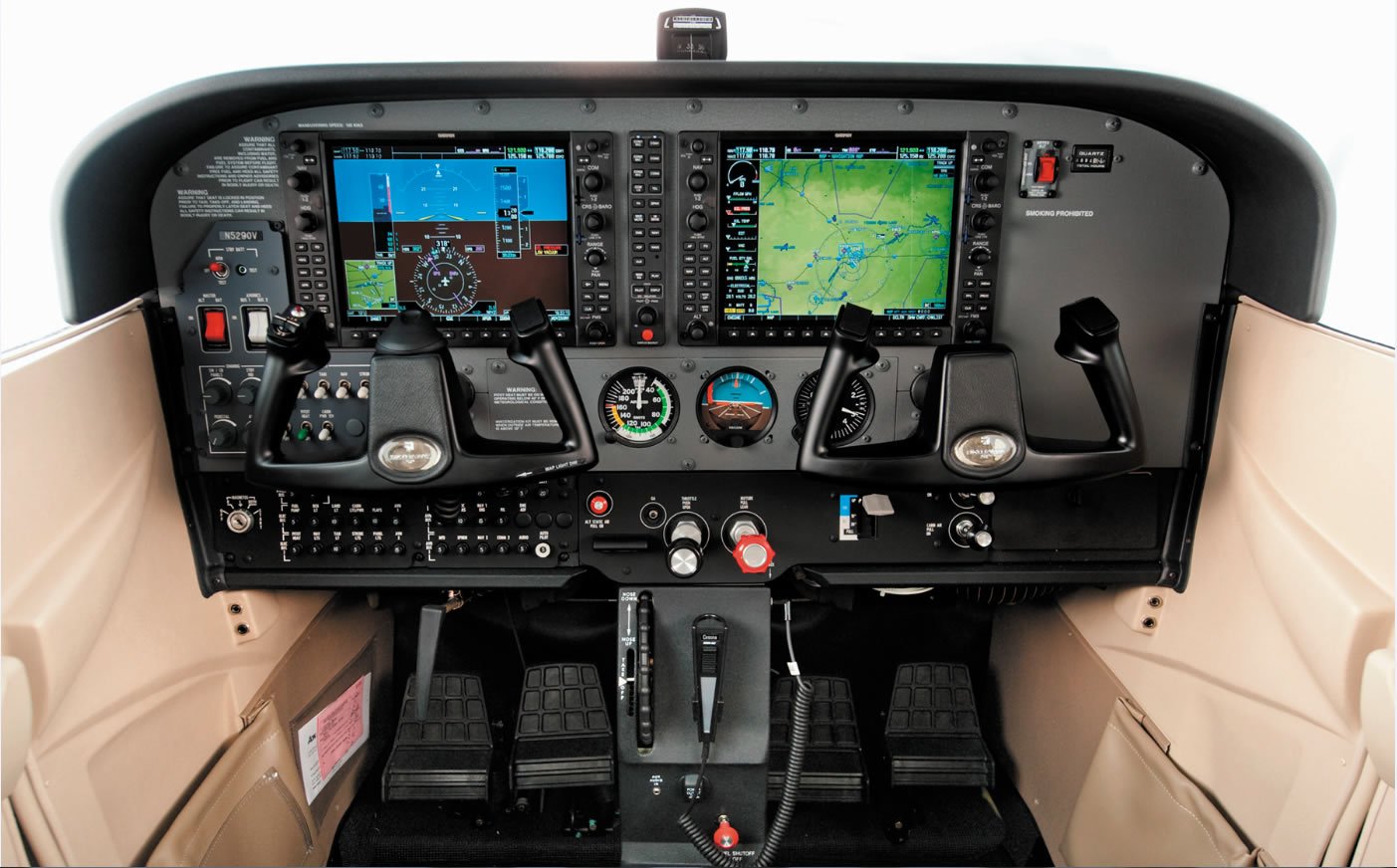
As we often do with products and companies-partly for our own cynical amusement-my colleague Paul Bertorelli and I were recently feeding off one another and poking holes in Garmins hugely successful G1000 integrated avionics. In case you havent been counting, the system turned 10 years old last year. In avionics life, thats a geriatric zone, which was partly the nature of our chiding.
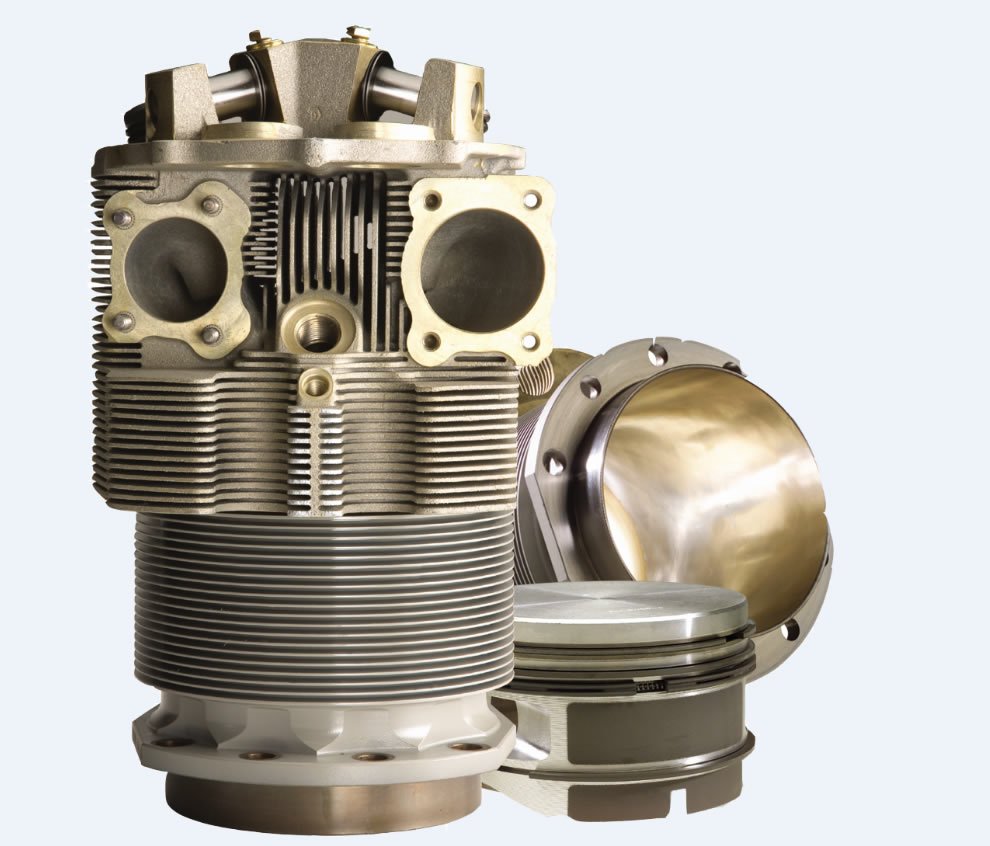
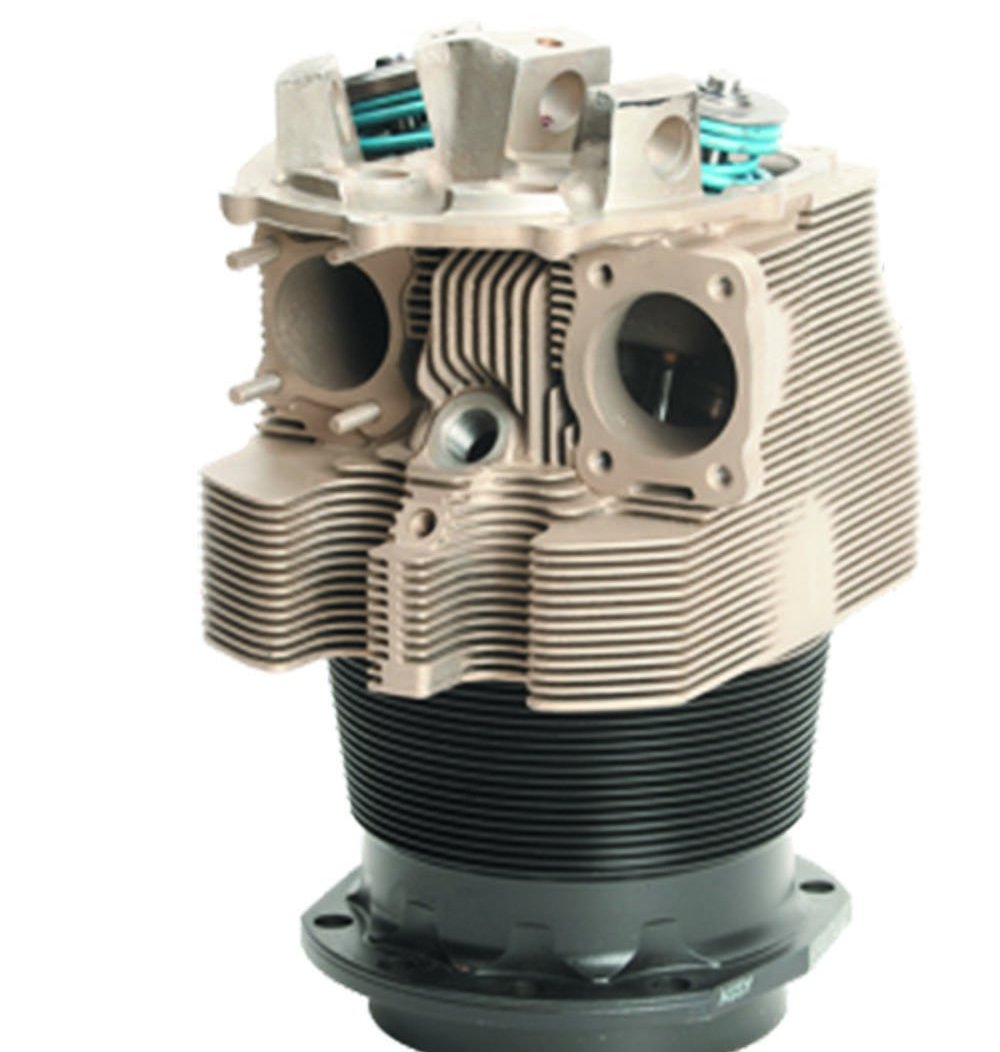
Our latest cylinder survey yielded similar results as it did when we ran it in 2012. Again, Lycoming factory cylinders rated impressively we’ll with our respondents-60 percent said they were happy, while another 28 percent were satisfied with them.
Continental Motors got the attention of engine shops and owners last spring when it bought Danbury Aerospace, a manufacturing group that includes San Antonio, Texas-based Engine Components International, or ECi.
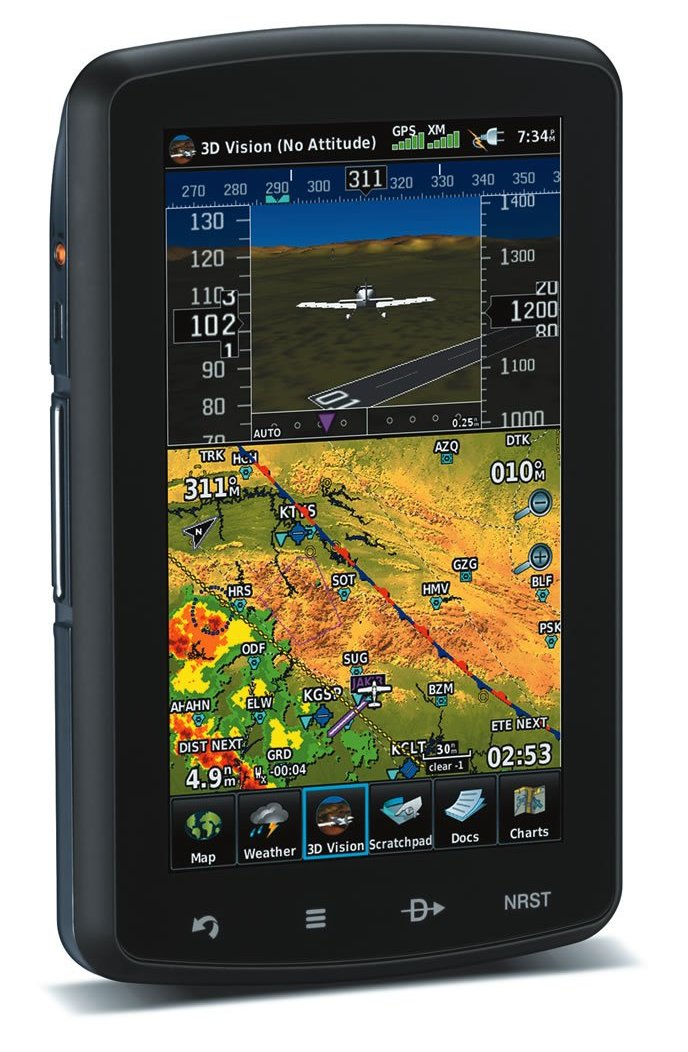
Thanks for the helpful article on the cost of navigation data subscriptions in the September 2015 issue of Aviation Consumer. One point you did not mention was the cost of data for a portable GPS.For example, Garmins pricing for the Americas database bundle is $499.99 per year for its aera 796. This is almost as much as data for a panel-mounted unit, and much more than $149.99 for the same data for the Garmin Pilot tablet app.
We generally don’t know what to expect going into AirVenture at Oshkosh, and with several ho-hum years of late, we don’t expect a lot. But with near-perfect weather, 550,000 attendees, 10,000-plus local-area arrivals, over 800 vendors (up 140 from last year) and only one major non-fatal wreck, this years AirVenture impressed. Plus, there was no shortage of new product announcements.
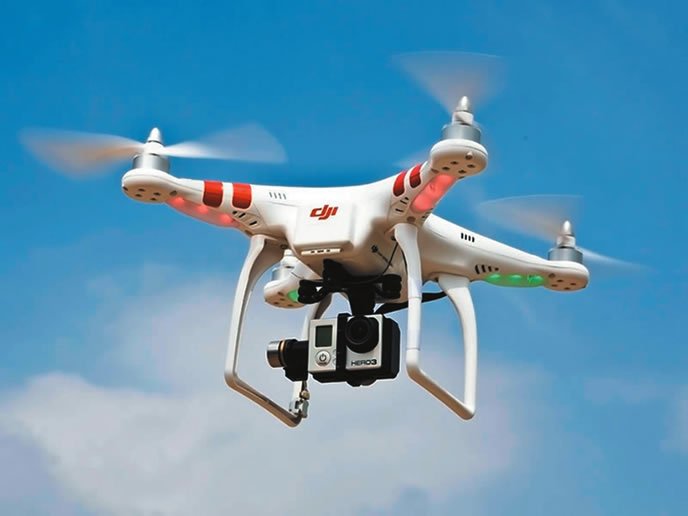
A reader flagged me down in the UAS-dominant Innovations building at AirVenture last month and asked when Aviation Consumer was going to take the lead in protesting the operation of recreational and commercial drones that were on display. This guy was convinced that a midair with that drone over in the corner with the flashing lights and integrated GoPro (pointing to a DJI Phantom quadcopter on display) was going to take him and his Comanche down in the rural Iowa skies. After offering a polite deal with it, dude-these things arent going away, I pointed him to Mike Glasgow, who was manning the Lockheed Martin Flight Services booth strategically colocated in the UAS exhibition area.
The idea of the push-pull twin makes such fundamental sense that it has been applied to aircraft designs in one form or another for nearly 100 years and in literally dozens of models youve never even heard of. Back in 2005, Adam Aircraft tried the idea again with the A500 push-pull piston twin. Like many before it, it failed more by market reality than by a fundamental flaw in the idea.
We are looking at having some military aircraft painted by a company out here in California. They have all the Mil Specs for the color we selected, however, I started receiving phone calls from the various paint manufacturers wanting us to select their brand of paint. As a military aviator, I never thought about who supplied the paint on the aircraft I fly, as long as it looked good and wasnt peeling and fading. Can Aviation Consumer provide me with some counsel on the pros and cons inherent in the different paint manufacturers, including PPG, Sherwin-Williams and Dupont? Do you guys have a preference?
The concept of a wireless cockpit-pushing flight plan data from a tablet app to certified avionics, to name one capability-is supposed to curtail the task of programming a panel GPS. I think Garmins Flight Stream Connect wireless network, via its Pilot tablet app, succeeds in doing that, but doesnt eliminate all of the workload, which is a good thing. That was my impression after Garmins Jessica Koss demonstrated the Flight Stream and ADS-B interface as we flew in the company Cirrus in the Northeast airspace, pictured to the right.
As the number of Light Sport airplanes increases and more pilots are opting to forego the third class medical and simply fly Light Sport, we were curious to see how the insurance market is for liability coverage for those airplanes.
For more than 30 years, the most popular liability policy in aviation has provided coverage of $1 million with sublimits of $100,000. Owners sleep soundly at night, confident that they have an insurance pool of a million bucks should they roll Ol Bessy into a ball. These same owners have the personal net worth necessary to own an airplane and often have auto and homeowners insurance that has at least $1 million in liability coverage.