









Industry News

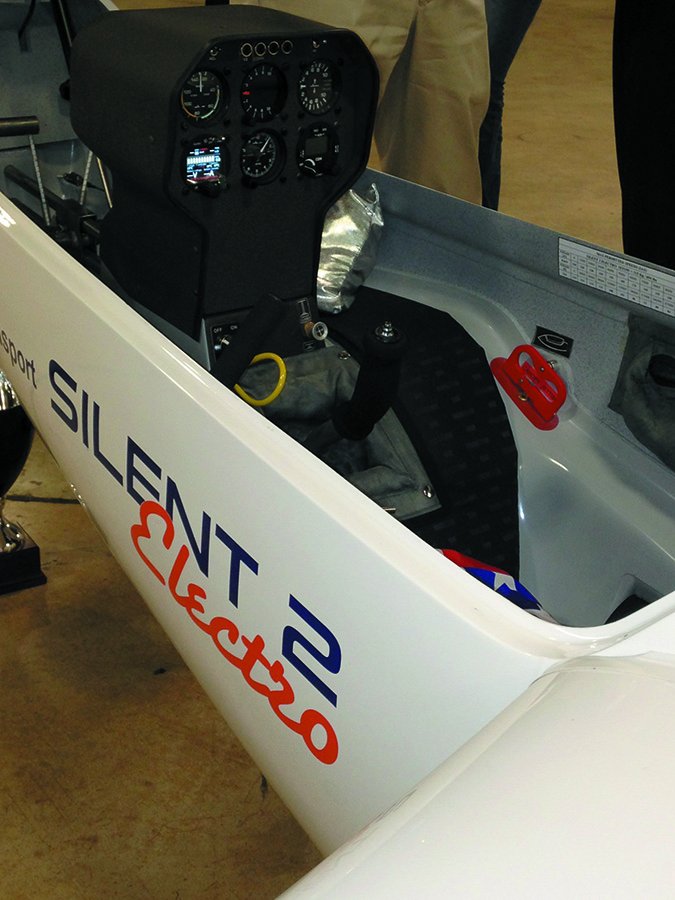
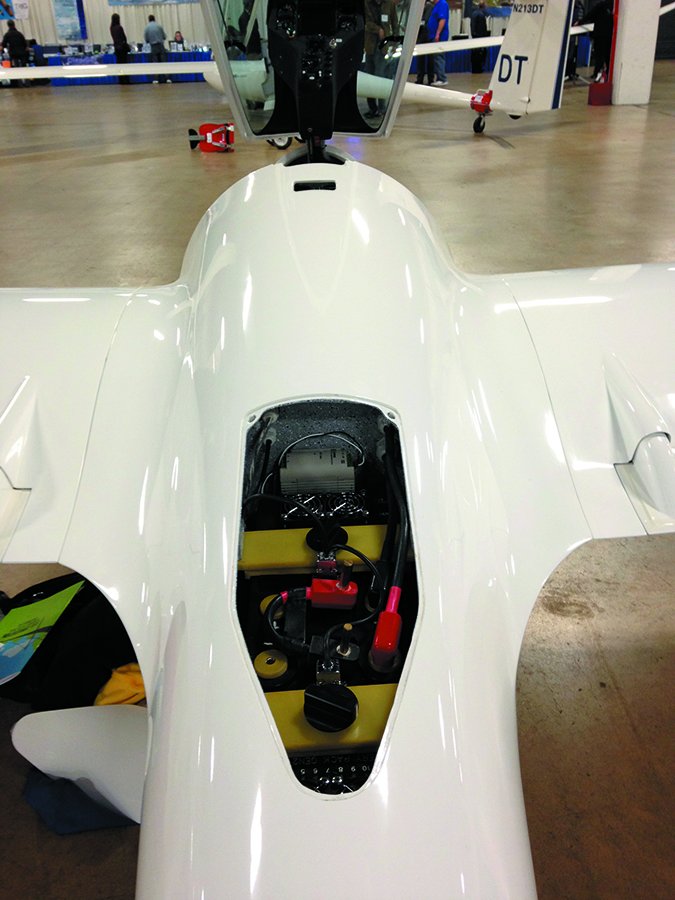
Friends Don’t Let Friends Fly Electric Gliders

I wouldnt exactly say this overheard tongue-in-cheek comment was the common thread from this years Soaring Society of Americas (SSA) national convention in South Carolina this past February, but its proof that hardcore sailplane enthusiasts are barely lukewarm to the idea of electrically powered gliders. Talking with showgoers, I drew parallels with the skepticism of evolving electric technology in the powered aircraft market. Still, aside from Stemmes Rotax-powered touring motorglider and a healthy variety of two-stroke powered models displayed on the convention floor, electric sailplanes were, naturally, head-turners.

Read More »

Seaplane Training, KSN770 Counterpoint, Narco Avionics Support

I read with interest your coverage of seaplane transition training in your last issue, since Im planning on earning my rating to transition to the Glastar amphib Im building. I was surprised how gently Aviation Consumer treated a product that has been promised for years, has been offered for sale since 2014, yet has so many major shortcomings. I wish you guys would write another report on servicing old avionics. It seems there are many in service that need repair.

Read More »

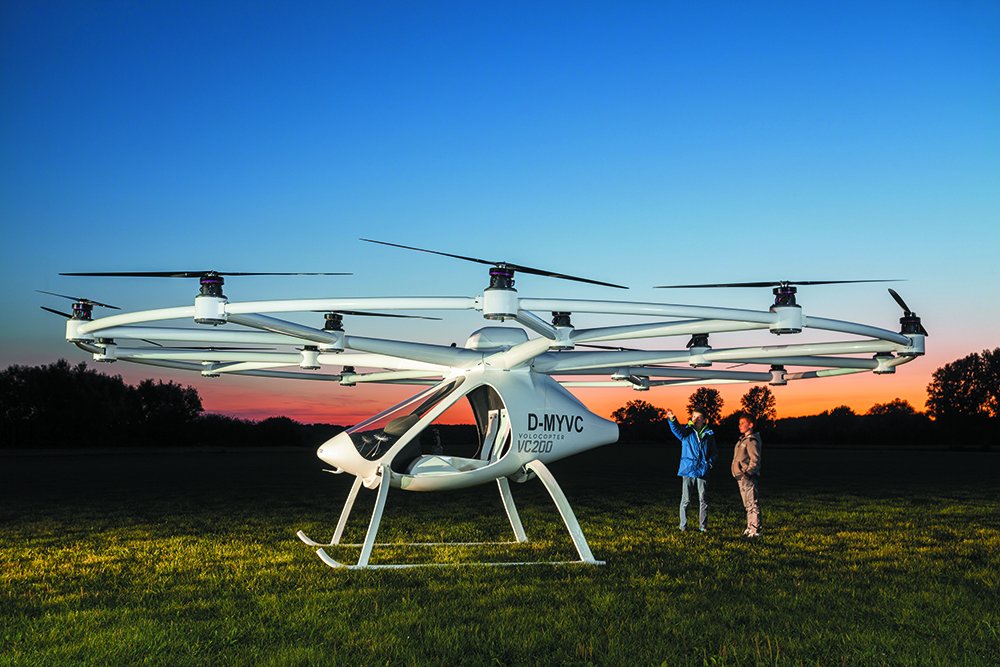
Electric Aircraft: Are They For Real?

Electric aircraft will get bigger in 2016, but probably no more accessible. Its not for lack of trying. Above and below the surface, there’s semi-furious developmental work to bring electric airplanes to market, driven by a mix of a parallel market push in the automotive world, a war on noise and emissions, demand for drones and the faint outlines of an energy transition away from oil and toward electricity for everything.

Read More »

Electric Aircraft Batteries Q&A

Everyone we speak to in the electric aircraft field decries the lack of progress in battery capacity. We asked Jeff Chamberlain, head of the Argonne Collaborative Center for Energy Storage Science, a leading battery research center, why this is so. Electric aircraft manufacturers had expected battery energy density to be higher than it is now. […]

Read More »

Autonomy is the New Parachute

If the FAA gives it the nod, autonomy could help sell some airplanes. More on that in a minute. As Cirrus and other manufacturers have proven, whole airplane parachutes are deal-closing accessories, especially for new pilots and skeptical passengers. This when-all-else-fails backstop has even trickled down to unsuspecting backwoods utility taildraggers, with Cubcrafters recently introducing a BRS (Ballistic Recovery System) option for its Carbon Cub and Sport Cub models. The BRS will add roughly 40 pounds to the airframe, while tacking on $14,000 to the price. Its also available for retrofit.

Read More »

Sun Visors, Attitude Gyros and Zaon Receivers

Ive been a fan of Rosen visors, and for every aircraft Ive purchased, Ive changed out the factory visors for the Rosen products. Larry Anglisanos commentary on the ridiculous regulatory snag thats unraveling with the idea of using electronic attitude gyros for backup is spot on. Im looking to upgrade the software in my Zaon XRX portable traffic receiver. Is there anyone who can help?

Read More »

A Regulatory Step Forward, and Then Back

The FAA turned a lot of heads with its official policy statement, PS-ACE-23-08, authorizing the installation of electronic attitude instruments for one-and-only primary use. Using rare language thats sympathetic to owners burdened by the high cost of iron gyro upkeep, the agency offers leniency for shops to sign off the installation as a minor alteration, which also includes yanking out the vacuum system even if its required per the aircraft type certificate. According to the policy, no field approvals, no additional STCs, no backup gyro or time-consuming paperwork is required. Progress at last, or so it seemed.

Read More »

The Lightspeed Tango and Aircraft Appraisals

It takes two to Tango (two batteries, that is). After reading your January 2106 report on the Lightspeed Tango wireless headset, it seems Lightspeed desperately needs a new charging system. I would like to add a footnote to the worthy Aircraft Appraisal article in the January 2016 issue of Aviation Consumer. One should be very careful of the aircraft appraiser when having a unique aircraft appraised such as warbird, antique and homebuilt aircraft. I agree with the gist of your recent aircraft appraisal article, but take issue with the conclusion that labor has no market value. As a decades-long Aviation Consumer subscriber, I hesitate to argue with the editors experience, but feel I must stand up for the enduring value of quality installations.

Read More »

Nextant Aerospace Puts the Aerodynamics Into Aircraft Manufacturing

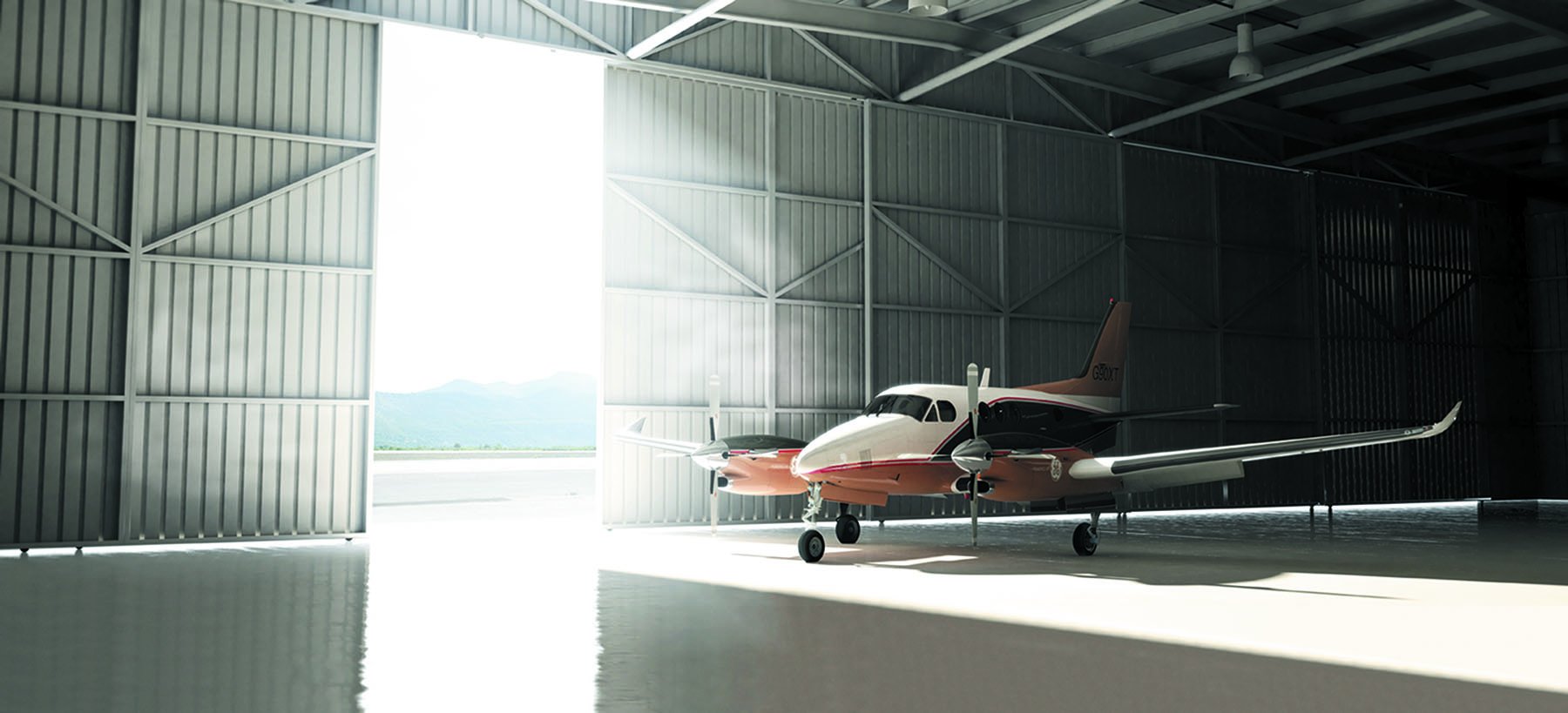
Modifying airplanes that the original manufacturer got almost right has been a constant in general aviation. But lately, we call it something different: remanufacturing. And if any company is the Alpha dog of this process, its Cleveland-based Nextant Aerospace, which has had impressive success remanufacturing Beechjet 400As. Now its poised to repeat the trick with the popular King Air C90 series.

Read More »

The Top of the Turboprop Market

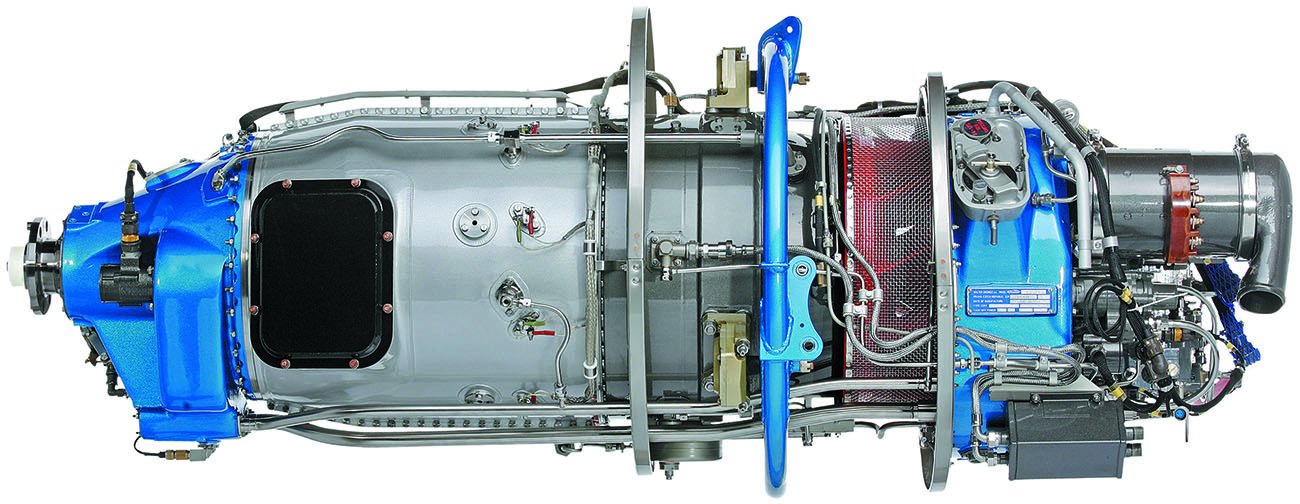
If Pratt & Whitney doesnt quite own the low- and mid-power turboprop market, it at least has a long-term lease at rent-controlled prices. GE Aviation plans to challenge that primacy and the instrument of their run at PW will be the H-series engines of the sort Nextant is using. GE is the giant in transport-category turbofan engines and in a tiny little Czech Republic company, Walter Aircraft Engines, it found a contender. Walter began life in…

Read More »

Meet the New Aircraft Cylinder from Continental Motors

In the November 2015 issue of Aviation Consumer, we reported on Continental Motors acquisition of competitor and aftermarket supplier ECi, a buy which eliminated the aftermarket Titan cylinder line.While Continental admitted that it wouldnt retain many of ECis products, it also said it was considering a corrosion treatment for its existing line of factory cylinders, and now follows through with the NiC3 line.

Read More »

Aircraft Warranties Are Not What They Were (And We’re Happy About It)

Back in 1977, the longest warranty most manufacturers could afford to offer on a new aircraft was six months with no hourly limit. There were a few market exceptions, including the newly introduced Meyers 200, which came with a one-year warranty. Its easy to understand the gripe an owner of a $300,000 aircraft had when left stranded because his new cabin-class twin broke down far from home base. Meanwhile, car makers like American Motors were picking up the hotel and bar tabs for owners waiting for repairs on a $5000 Pacer.

Read More »