









Maintenance

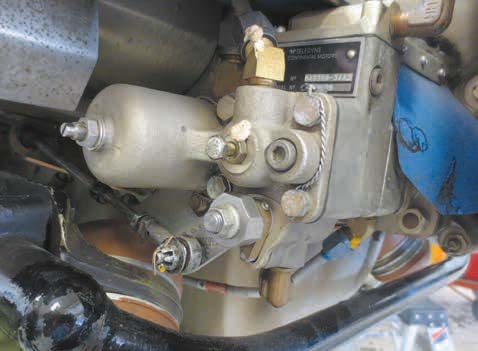
Fuel Pumps: Overhaul On Condition

Some years ago I was taking an IPC and FR in a Piper Aztec. A few minutes into the climb, I shut off the aux pumps, one at a time. A few seconds later, one engine quit. I turned the pumps back on and the engine restarted. After leveling off and setting low cruise power, I tried turning off the pumps again, and found that the left engine was the problem. It would run fine with the aux pump on; not at all with it off.

Read More »

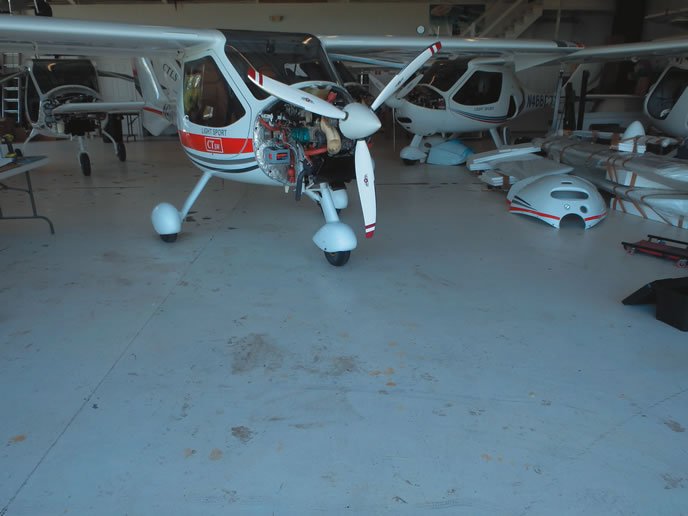
Parts Support For LSA: Fleet Size Matters

Lets face it, compared to a Piper Cherokee or Cessna 152, many LSAs have complex systems and specialized parts. Imported models are often tainted by concerns of less-than-acceptable field support when they break.

Read More »

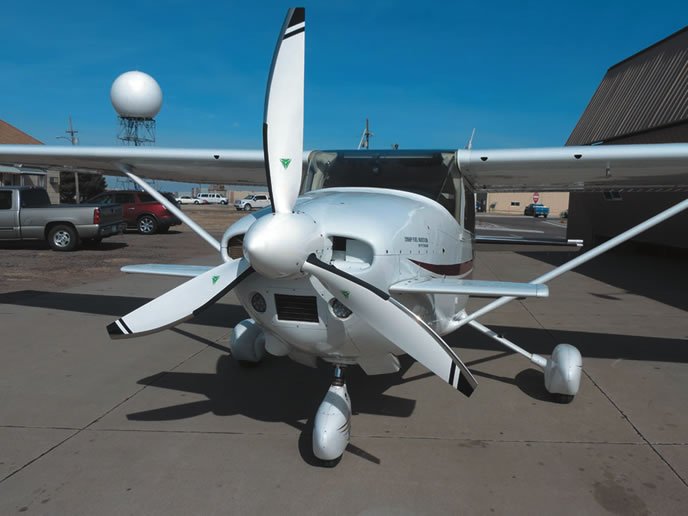
Composite Propellers: Longevity, Efficiency

With minimal fanfare, composite propellers have been appearing as original equipment on more and more airplanes and more and more owners are finding that they are an option for their airplanes when it comes time for an overhaul or replacement. Composite props are more expensive than their aluminum counterparts, so we were curious why owners are shelling out the extra bucks-whats the attraction and whats out there to buy?

Read More »

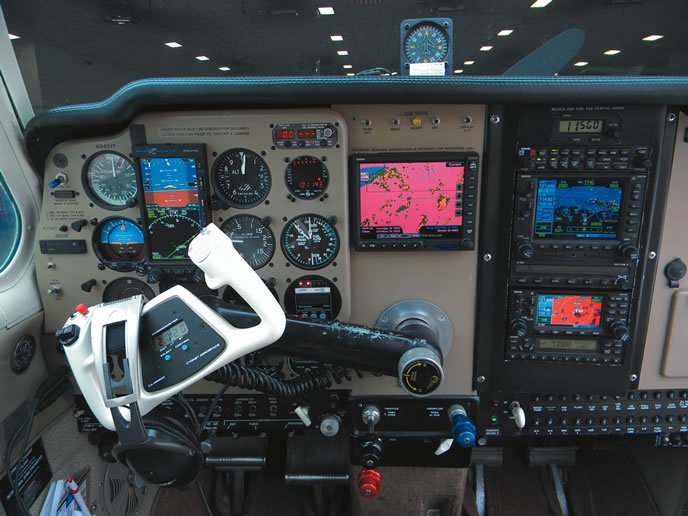
Ditch The Pump Once and For All – Maybe

When a high-priced avionics retrofit produces a panel thats completely electrically driven, the natural question is: why retain the vacuum system at all? While pneumatic de-ice boots will still require a pump, simpler aircraft with all-electric flight instrumentation (including electric backup instruments) simply don’t need a vacuum system. But, is it legal to remove the pump and the plumbing that tags along? The answer should be simple, but it isn’t.

Read More »

The Wet Pump Alternative

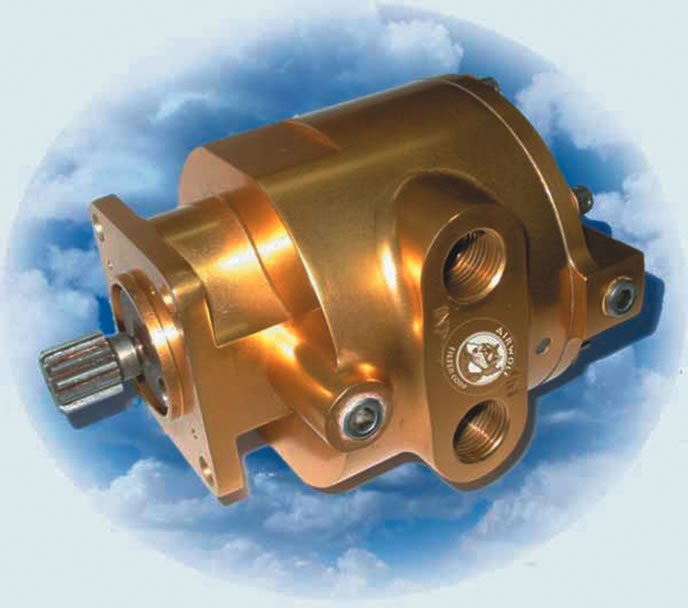
After the dry air pump put wet pump makers Pesco and Garwin out of the business, those who used them relied on overhauled pumps. Then, in the 1980s, dry pumps got vilified, and interest in wet pumps returned. Airwolf, known for its line of oil filters, obtained the Pesco data and some of its manufacturing equipment, updated the design, received the necessary certification and started selling wet pump replacements for all 200- and 400-series dry pumps.

Read More »

Vacuum Pump-411: Continually Improving

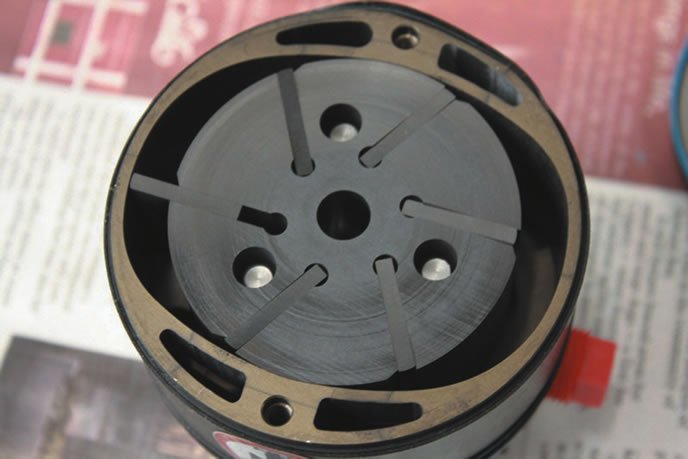
While glamorous glass cockpits are probably the wave of the future, in the real world the vast majority of airplanes still sport round-dial panels with gyros spun by air pumps that either suck or blow. We tend to collectively call them vacuum pumps, although on most Beech aircraft they are pressure pumps. No matter the appellation, they are turned by the accessory drive of the engine.

Read More »

Vinyl Prep

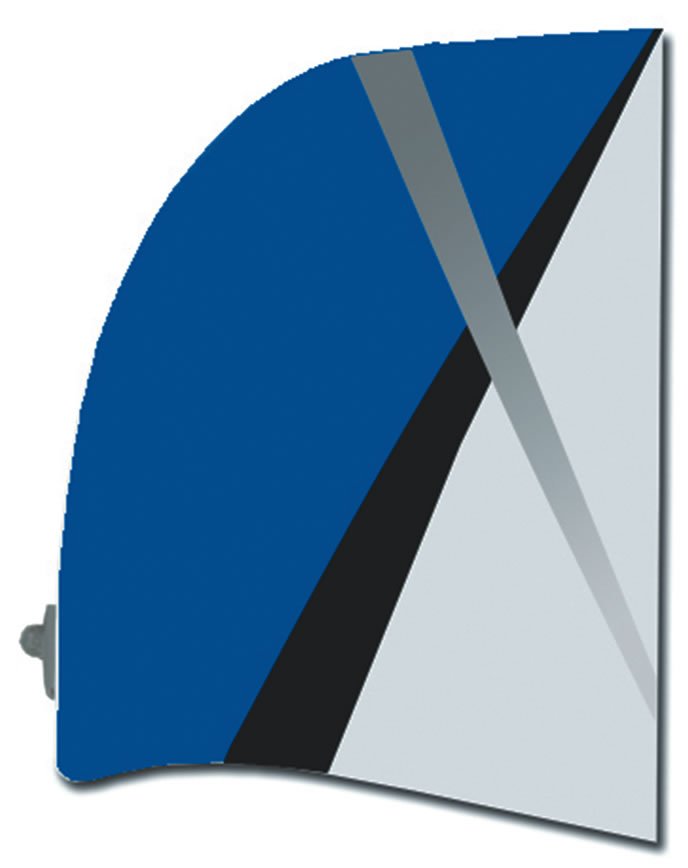
Clockwise from upper left: Rendering drawings of the vinyl design are key to planning the project, but the prep work is equally as important-and tedious.

Read More »

Vinyl Graphics Projects: Better For Composites

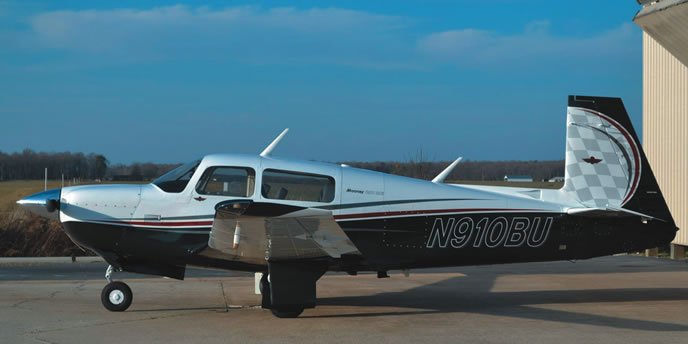
When proposals for a custom paint job on my second-generation Cirrus came in as high as $25,000-with up to 10 weeks of down time-I considered stepping up to a newer model. But my investment in numerous upgrades and my comfort with the aircraft in a variety of missions and weather convinced me to keep my ham and stop looking for rye bread.Still, logic dictated that it was time to personalize and customize the paint work. Why? Because it didnt need it. N233WZ has always been pampered inside and out and is stored in a heated hangar. However, it was born in a time where Cirrus ho-hum graphics make it look like every other G2 on the ramp.I looked at aftermarket graphics, and while I wanted an aggressive design with custom colors, I never found what I was conceptualizing. That is until I saw some cutting-edge graphics and paint work on the Generation 5 Cirrus models. This clearly seemed like a radical change in appearances from the earlier models. Once I got pointed in the right direction, I decided to pull the trigger on an owner-assisted vinyl graphics project. Here is a firsthand account.

Read More »

Champions New Plugs: Quietly Redesigned

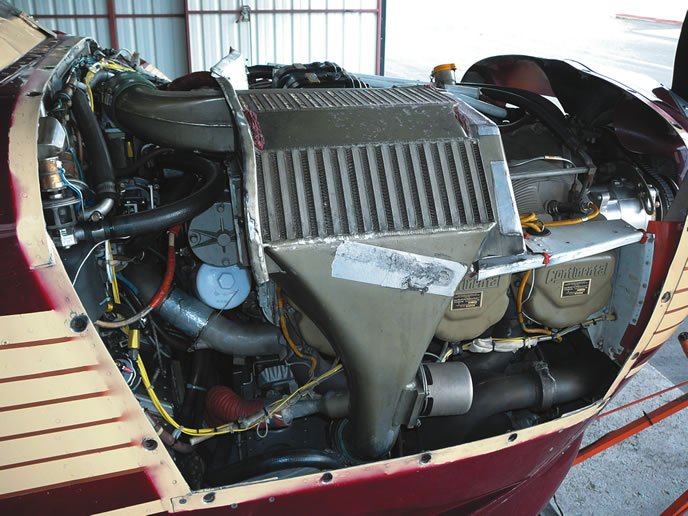
Over the last several years, there have been incidents of pre-ignition in large displacement Continental engines. In many cases, it was suspected that cracked or broken ceramic insulators on Champion Aerospace fine wire spark plugs were to blame. The issue led to Cirrus issuing a service bulletin for spark plug applications on its turbocharged models, as did Tornado Alley Turbo, for its aftermarket turbo-normalizing mod.

Read More »

Preserving The Plexi

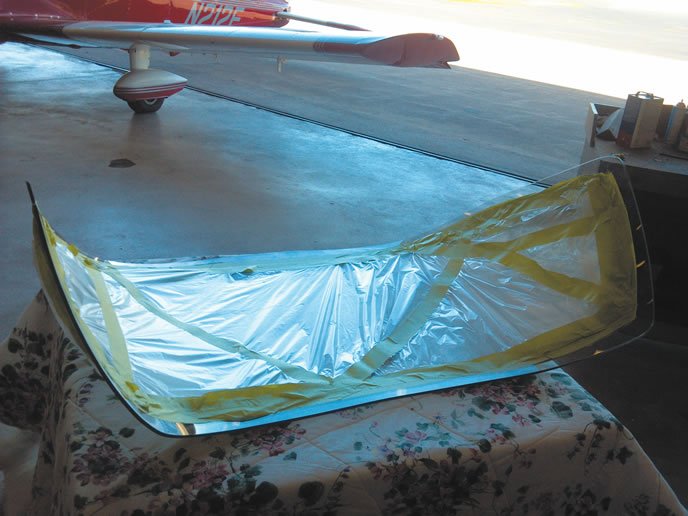
The Plexiglas windshields in our general aviation airplanes are pretty remarkable-made of acrylic, they are lightweight with little distortion, and it should be at least 30 years before you need a new windshield (inset), if treated right. Thats according to John Zofko, Jr., founder of Great Lakes Aero Products, one of the major glass manufacturers. Even on a tie-down, you can figure on 10-15 years, per Scott Utz, head of maintenance at Arapahoe Aero on Denvers Centennial Airport.

Read More »

Electronic Replacements

If your avionics retrofit project has you paying the hefty price and dealing with the long downtime for a custom instrument panel, its worth considering an electronic engine instrument display. For one thing, it can save sizable amounts of panel space, while placing critical engine data in a convenient location, compared to mechanical gauges that might be scattered about the panel. Plus, it will eliminate empty holes in the panel should you upgrade later on.

Read More »