Maintenance

The Lightspeed Tango and Aircraft Appraisals

It takes two to Tango (two batteries, that is). After reading your January 2106 report on the Lightspeed Tango wireless headset, it seems Lightspeed desperately needs a new charging system. I would like to add a footnote to the worthy Aircraft Appraisal article in the January 2016 issue of Aviation Consumer. One should be very careful of the aircraft appraiser when having a unique aircraft appraised such as warbird, antique and homebuilt aircraft. I agree with the gist of your recent aircraft appraisal article, but take issue with the conclusion that labor has no market value. As a decades-long Aviation Consumer subscriber, I hesitate to argue with the editors experience, but feel I must stand up for the enduring value of quality installations.

Read More »

406 MHz ELT Retrofits: GPS Ups Effort, Cost

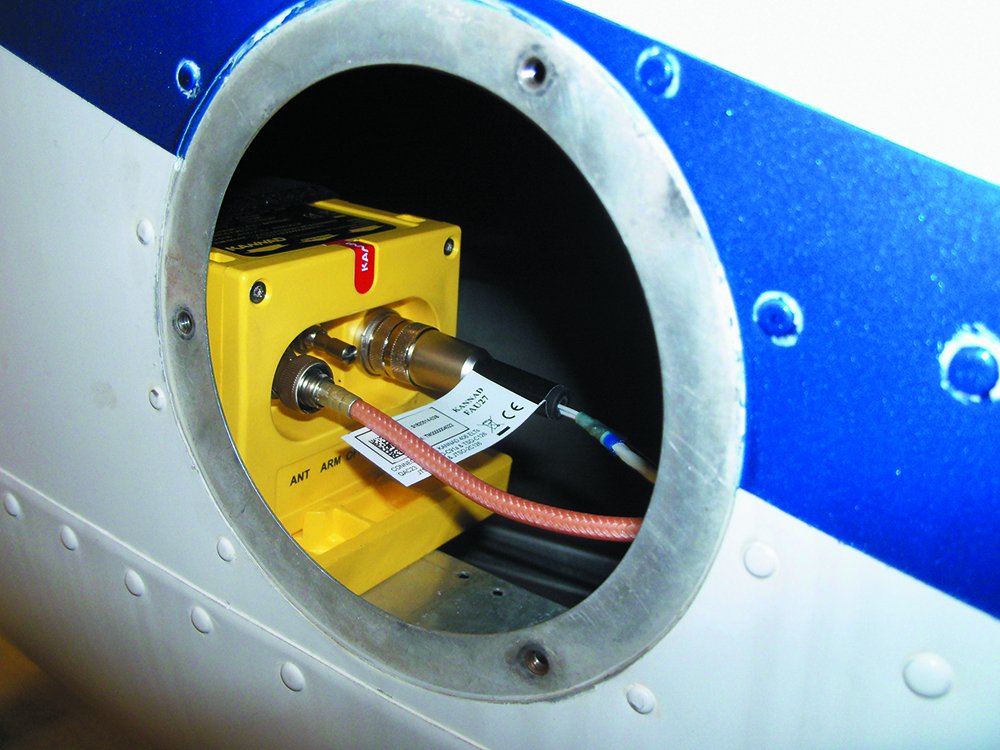
The 406 MHz ELT market never quite achieved liftoff, probably because the FAA hasnt mandated these beacons, even though it still requires an installed ELT of some kind. A lively market of capable, inexpensive personal locaters (PLBs) further muddies the buying decision. But there are good arguments for an installed 406 MHz beacon, not the least of which is that after a crash, you might not be in any condition to activate a PLB. In this report, we’ll examine GPS-enabled third-gen 406 MHz ELTs that substantially improve your odds of being located after a crash. Shops tell us installed costs may hover around $3000, but you can knock the sting off that number by having the work done when the airplanes pulled apart at annual.

Read More »

Oil Analysis Providers: Its About Service

We consider engine oil analysis to be a valuable early warning system for certain types of engine problems. It allows an aircraft owner and maintenance technician to catch those problems before they become safety of flight items. Because we feel its valuable, we wanted to know more about the labs that perform it. Do they give results consistent with each other? What is the turnaround time for a sample? Can they explain the results of a sample in a way that makes sense to an aircraft owner? Is there information on their website about the process and results clearly?

Read More »

Nitrogen Tires Unnecessary for Small Aircraft

Nitrogen-filled tires hold a lot of respect in the automotive world, but exactly how do they benefit aircraft tires? When talking about small aircraft tubed tires, the advantages just aren’t so huge. For large jets and tubeless tires, the nitrogen creates less wheel corrosion and pressure loss. But for your petite 2-seater, it really doesn’t seem to make a difference.

Read More »

For Your Aircraft’s Exhaust System, Inspection is Critical

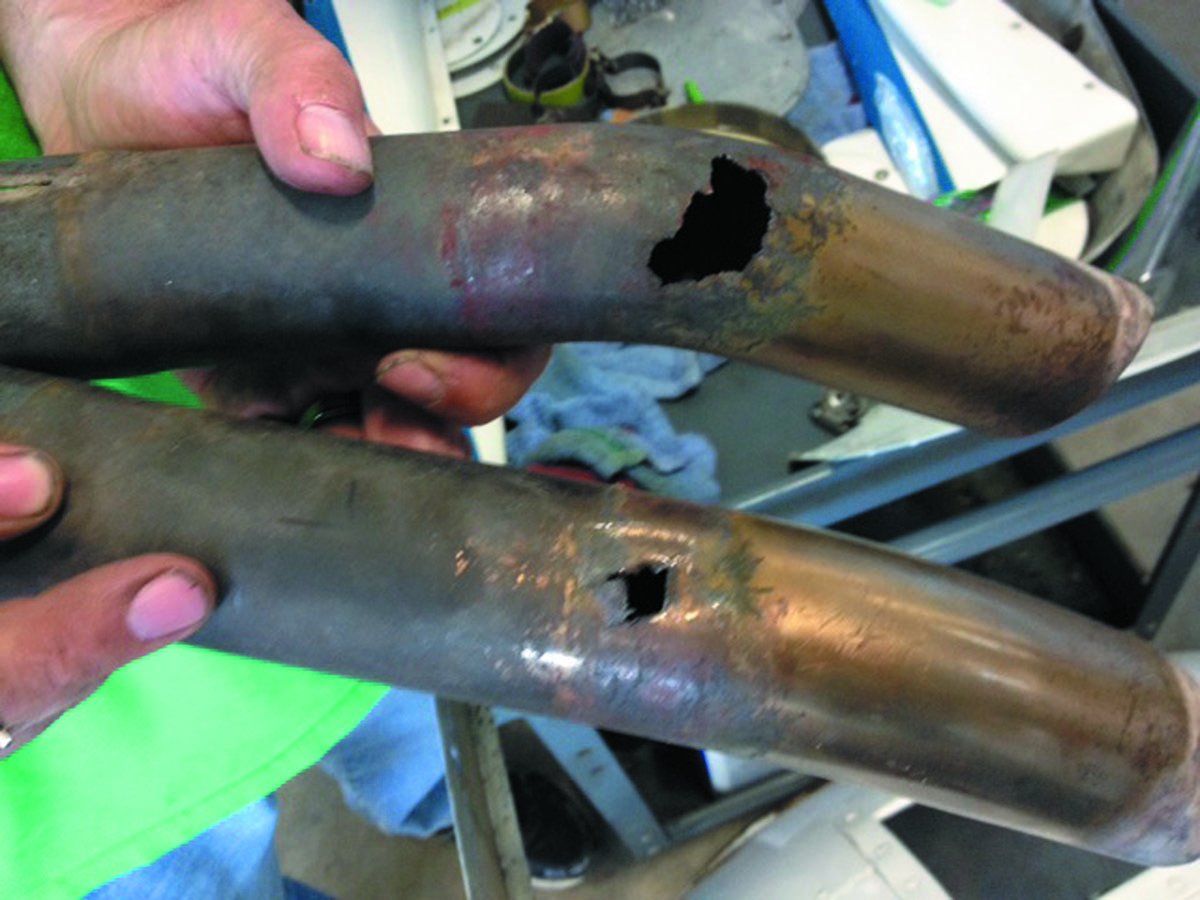
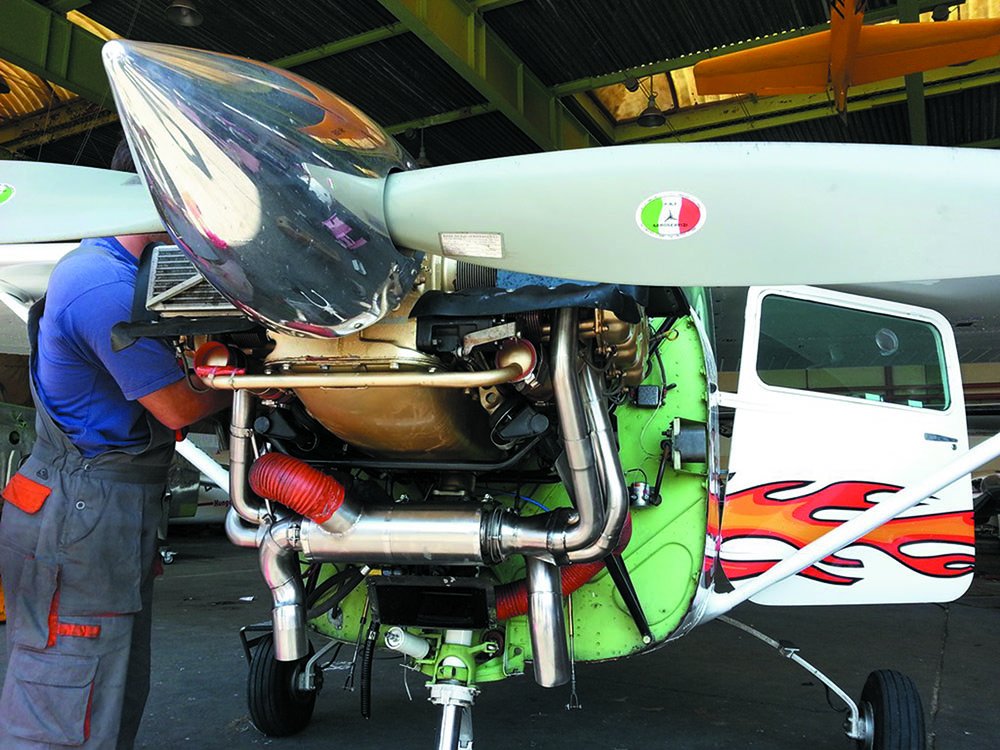
For most owners, the exhaust system is an out-of-sight, out-of-mind portion of the airplane. Its certainly not a sexy part of any aircraft-even the FAAs description of the exhaust system in its Airframe and Powerplant Mechanics Powerplant Handbook is a little off-putting: …a scavenging system that collects and disposes of the high-temperature, noxious gases as they are discharged by the engine. Nevertheless, all exhaust systems deserve a great deal of respect and your attention and consideration because they live in a horrible environment of intense heat, flame, corrosive gases and vibration. Plus, if any component fails, the risks are nothing short of serious: carbon monoxide poisoning of the aircraft occupants, partial or total engine power loss and fire.


Read More »

Bringing Automotive Technology to Aircraft Exhaust Sytems

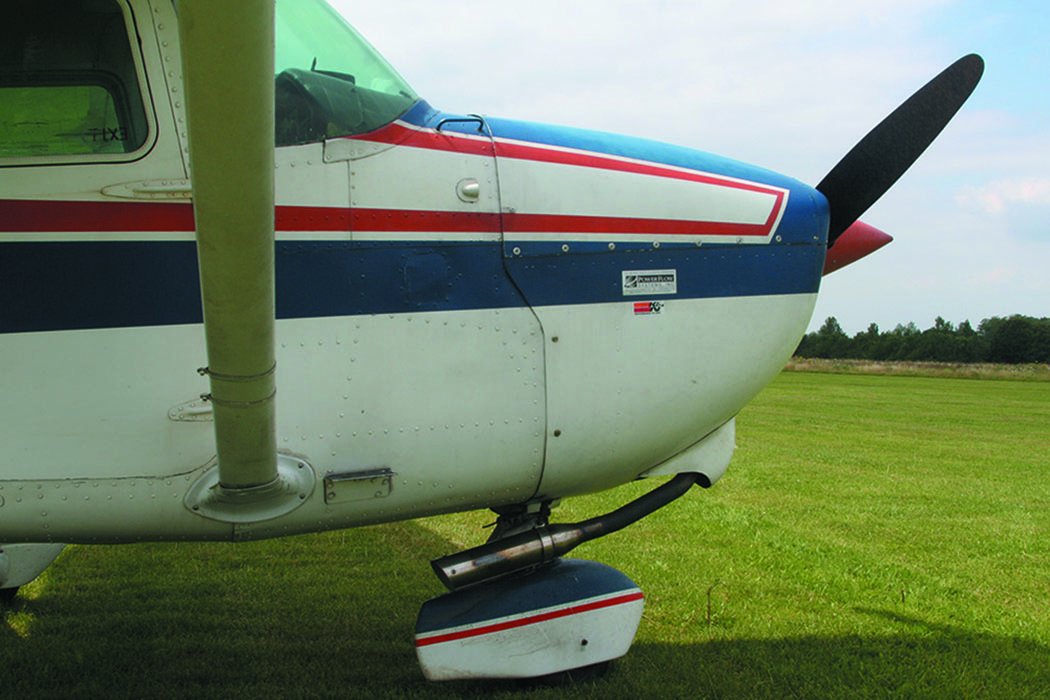
After years of developing and manufacturing speed mods for Piper aircraft, Robin Thomas started Power Flow Systems (www.powerflowsystems.com) with the intent of using automotive technology to design tuned exhaust systems for aircraft. To accomplish this, Power Flow says it customizes the exhaust tube for each cylinder so its length-from cylinder to the collector where the tubes join-causes the low pressure traveling down the tube behind an exhaust puff to reach the collector in time to suck out the exhaust from the next cylinder.

Read More »

Best Aircraft Exhaust Systems

In 1995, following 10 years of running a company that performed aircraft exhaust system repairs, Dane Wagner opened Leading Edge Exhaust Systems (LEES) (www.wemakeyoufly.com), in Anchorage, Alaska. He was determined to build aircraft exhaust systems that were not only of higher quality and more robust than OEM equipment but that would allow the engine to develop more power. Having experience with the needs of the Alaska bush operators, he targeted their airplanes of choice, the…

Read More »

Aircraft Warranties Are Not What They Were (And We’re Happy About It)

Back in 1977, the longest warranty most manufacturers could afford to offer on a new aircraft was six months with no hourly limit. There were a few market exceptions, including the newly introduced Meyers 200, which came with a one-year warranty. Its easy to understand the gripe an owner of a $300,000 aircraft had when left stranded because his new cabin-class twin broke down far from home base. Meanwhile, car makers like American Motors were picking up the hotel and bar tabs for owners waiting for repairs on a $5000 Pacer.

Read More »

Borescope Imaging: Getting the Inside View

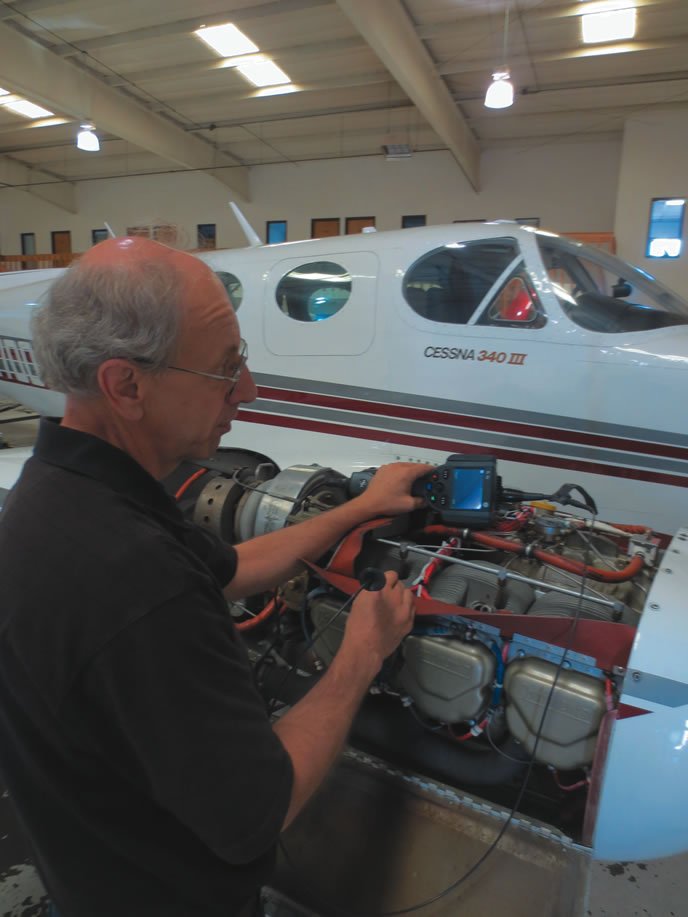
Ever since the Wrights, one of the vexing problems of aircraft maintenance has been access to the nooks and crannies of the machine. Maintenance technicians have spent major portions of their lives with flashlights and mirrors peering through inspection ports trying to assure that all is we’ll within; at significant expense, major assemblies have been unbolted and removed to allow visual inspection of their insides because of a symptom of illness-often to find that they are healthy-while the act of removal and replacement itself caused damage.

Read More »

AirVenture Diary: Engines, Refurbs, EFIS

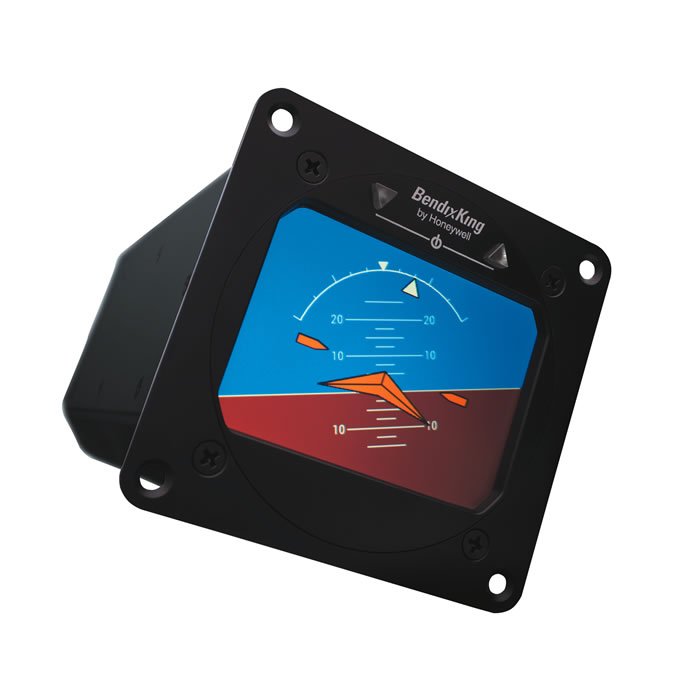
We generally don’t know what to expect going into AirVenture at Oshkosh, and with several ho-hum years of late, we don’t expect a lot. But with near-perfect weather, 550,000 attendees, 10,000-plus local-area arrivals, over 800 vendors (up 140 from last year) and only one major non-fatal wreck, this years AirVenture impressed. Plus, there was no shortage of new product announcements.

Read More »

Operational Considerations

The good news about the care and feeding of your intercooler itself is that not much is needed. Pared down to the basics, an intercooler is an air-to-air heat exchanger. According to Wayne Thomas of Pacific Oil Cooler Services, Inc.-one of the biggest repair stations that specializes in repair and overhaul of oil coolers and intercoolers-an intercooler doesnt see the internal pressures oil coolers do and, accordingly, don’t usually wear out. He said that ordinarily intercoolers easily last to engine TBO, at which point they should be pulled, inspected and repaired as necessary.

Read More »

Intercoolers: Turbo Enhancement

The idea of stuffing more air into an engine to increase its power output is anything but new. Mechanically driven superchargers have been compressing ambient air and feeding it to engines since at least 1885, with their exhaust gas-driven offspring, turbosuperchargers (often shortened to turbocharger or turbo), since 1905. The first turbos were installed in combat airplanes in World War I to increase their performance at altitude.

Read More »