









Maintenance

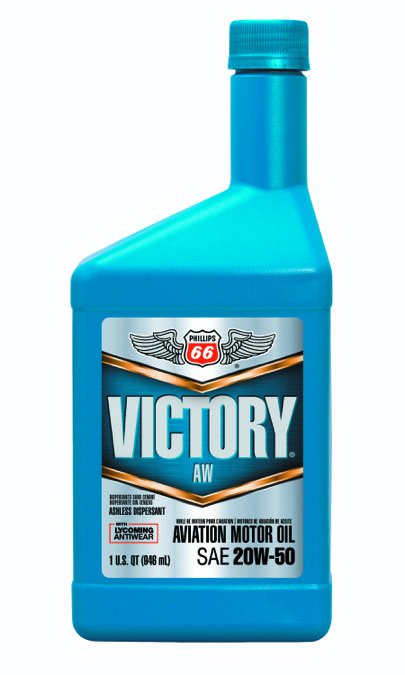
Phillips 66 New Oil: Lycoming Additive

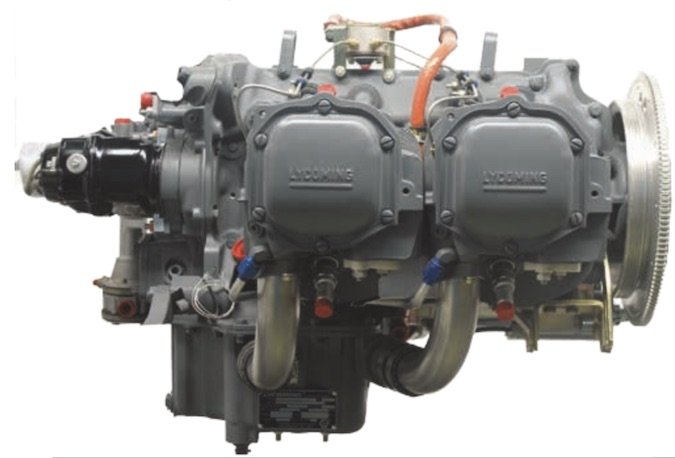
In 1977 Cessna introduced the 172 N model, employing the newly developed O-320-H2AD engine and allowing Cessna and Lycoming’s common parent to save money and offer slightly more horsepower. Unfortunately, the engineering compromises made in the valve train resulted in camshaft lobes and associated lifters that were quite corrosion intolerant. Cost saving led to minimizing the size of the hardened surface, so the contact pressures became extreme. The design was barely adequate, as long as no rust occurred. But any rust increased pressures beyond what the oil could handle, and metal-to-metal contact would occur, rapidly wearing away the valve train components in as little as a few hundred hours.
Read More »

Alternator Fixes: Repair, Overhaul, New

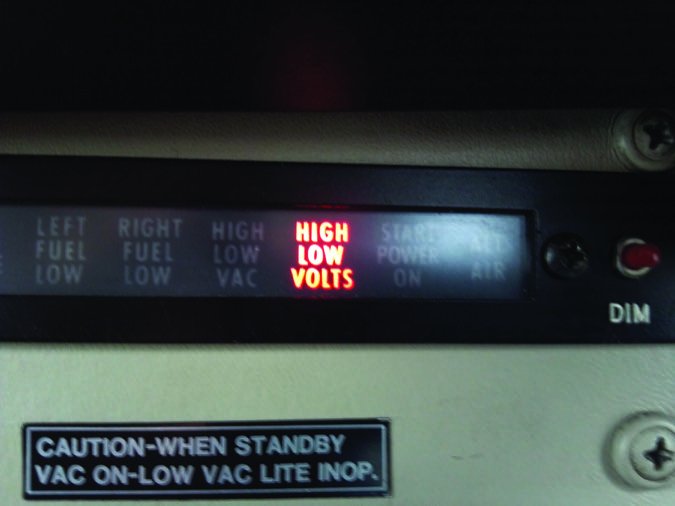
Yes, it’s a snoozer of a topic. But that’s great news. As aircraft alternators have quietly become more long-lived, they get less and less attention from owners who, rightfully, focus on the components that give them fits by breaking with frustrating regularity or require repetitive inspection or replacement. That’s good, especially as some owners now have a second alternator in their airplanes to provide a backup power source as part of going to an all-electric panel and getting rid of a component that is definitely less reliable than an alternator-the vacuum pump.

Read More »

Spinner Upkeep: More Than Aesthetics

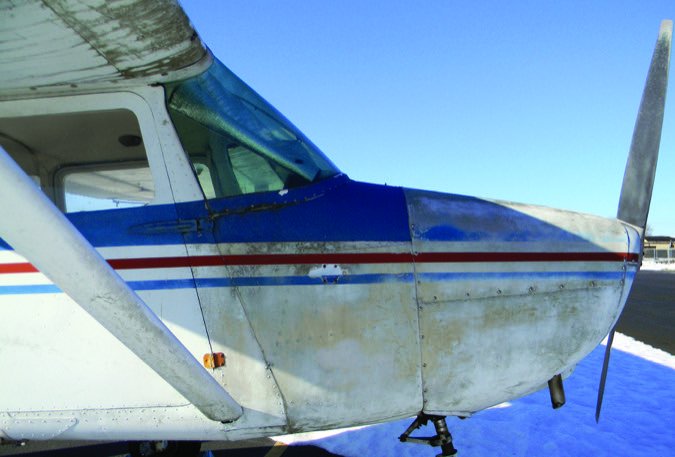
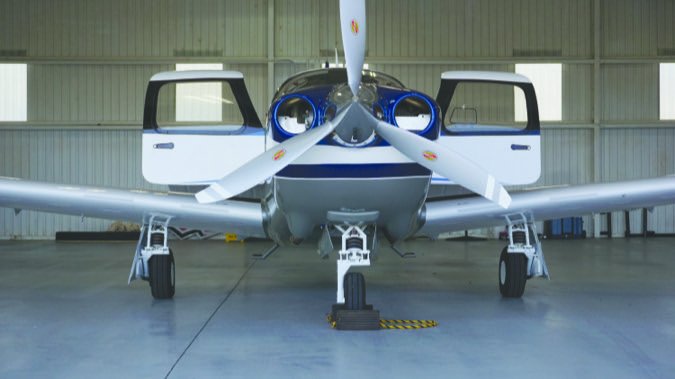
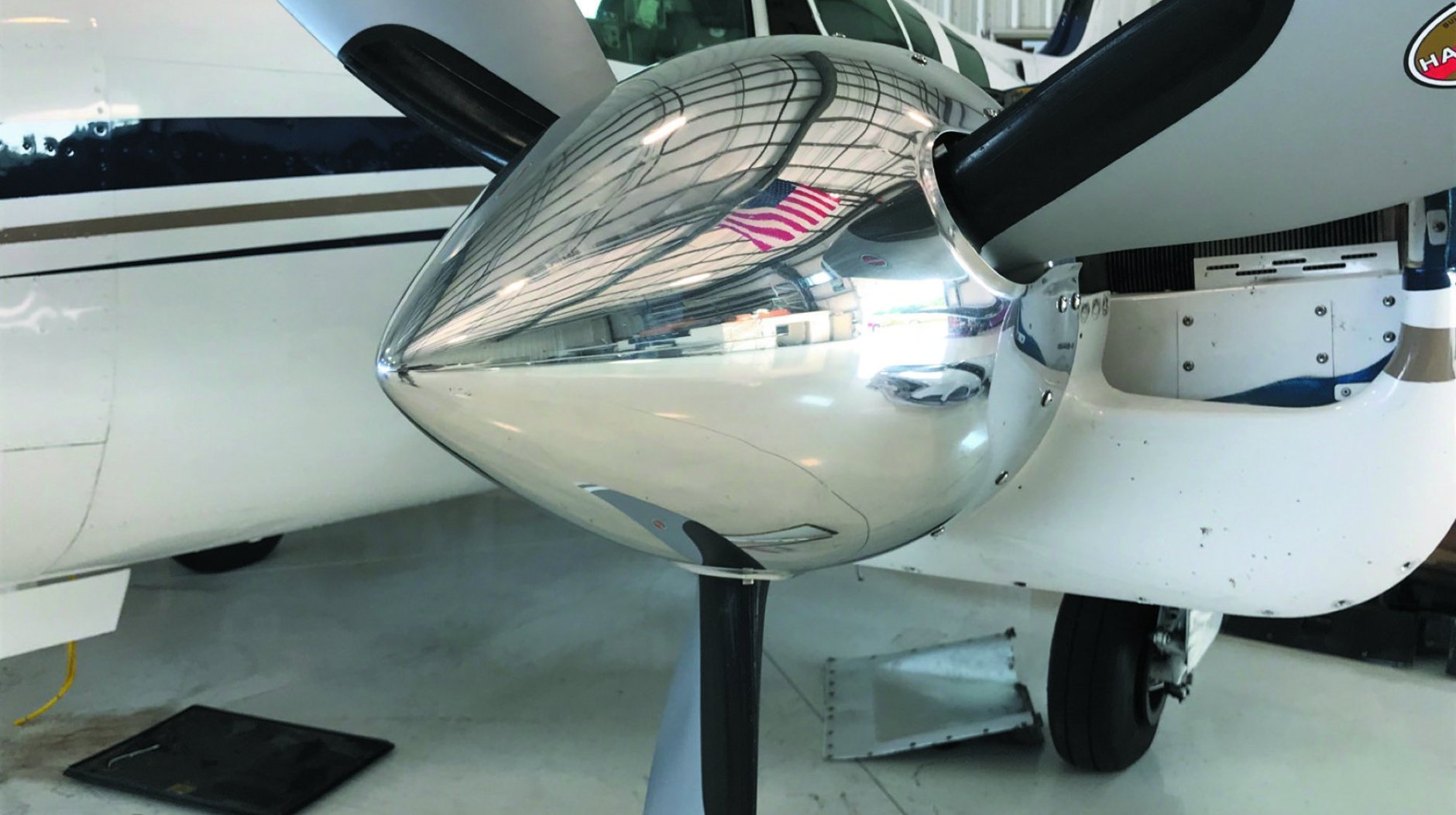
About the only time we pay much attention to propeller spinners is when cleaning the bugs off, and hopefully at the annual inspection. Truth is, spinners are one of the most overlooked parts on the airplane because they’re generally trouble-free. It’s an accessory that is always there (although they can depart the airplane), subtly adding to the look of your aircraft and frankly, as something pointy out front where it pierces the air and helps the plane get the most speed, engine cooling and power.

Read More »

What’s It Really Weigh?

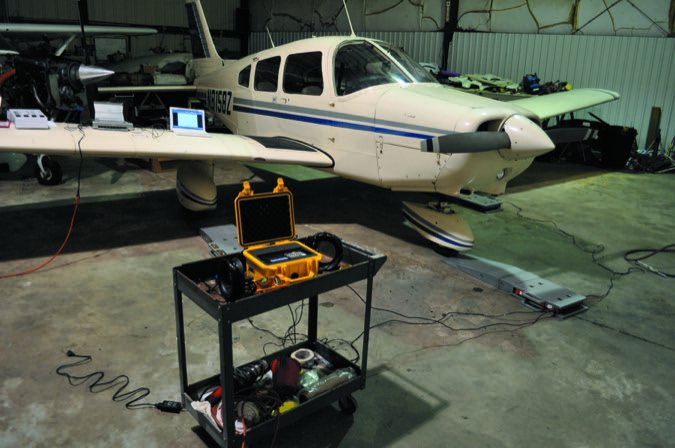
Part of the sales pitch for investing in a modern all-glass upgrade like the Dynon SkyView or Garmin G3X Touch system is the ultimate weight savings that tags along with the project. Sure, yanking out the vacuum system and the round-gauge gyros in favor of electronic instruments generally will yield a sizable weight savings. But just because the new weight and balance report shows more useful load doesn’t necessarily mean the numbers are accurate. In fact, that new report can be grossly inaccurate.

Read More »

Tire Retreads: Strong, Cheaper

Aircraft tires are highly engineered and are remarkably strong for their size. They often go from 0 MPH to 80 or more MPH in an instant without distorting enough to come off of the rim, plus they have to hold pressure at these high speeds. If the airplane is a little cockeyed on landing, the tires sustain tremendous side loads, far greater than ever expected of an auto tire. The tires have to be balanced to eliminate wobble, which can be quite pronounced at landing speeds and can transfer vibration to the airframe, creating shaky rollouts. There’s plenty of engineering involved. The tires are designed by computer for different loads and speeds, and the tread design is optimized for landing on the different surfaces we see in our operations.

Read More »

Instrument Repairs: Still Cheaper Than EFIS

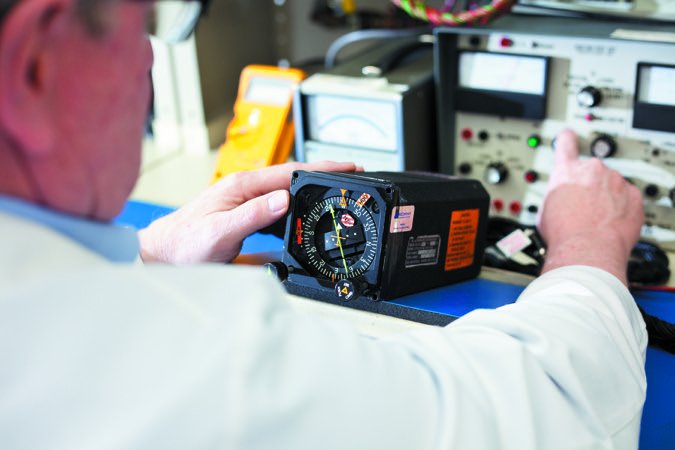
The fallback, of course, is repairing/overhauling old instruments that may be left over from the Reagan era. This may or may not make sense, depending on the supportability, reliability and bottom-line cost for the work. In this article we’ll look at the market for instrument repairs and exchanges, while offering tips for deciding whether an EFIS upgrade is the better decision.

Read More »

Engine Storage 101:The 30-Day Rule

How long is too long? It depends on the climate and how the engine was cared for during its time of rest. And as you would suspect, corrosion is the enemy. Herewith are some tips worth considering when parking the engine for long periods.

Read More »

Taming Corrosion: Inspect, Treat, Repeat

The best way to control corrosion is to keep it from forming in the first place, and understanding the requirements for building corrosion is the first step. Think back to high school science lab. First, there must be the presence of metal that will corrode-usually not a shortage on the typical aircraft. Sure, composite aircraft have an advantage, although many have metal wings and plenty of other metal accessories. There must also be the presence of a dissimilar conductive material that has less tendency to corrode. And, there has to be the presence of an electrolyte (water, for example). Then there’s the electrical contact between the cathode and anode-think metal-to-metal contact of a fastener, as an example. But remove any one of these basic requirements and you’re doing some good in controlling corrosion.

Read More »

Letters From Readers: December 2018

I have never explicitly seen it written anywhere that when one buys a glass panel airplane like the Garmin G1000-equipped Mooney Acclaim, the aircraft OEM owns the software for the avionics. This has been a problem with Mooney through its various bankruptcies and production hiatus. I don’t know if it has been a problem with other OEMs, and I understand only Mooney Service Centers (which seem to be few and far between) can do the G1000 software upgrades.

Read More »

Cessna 195 Businessliner

The venerable Cessna 190 series was not the first business aircraft by a long shot, although it was a first for Cessna. These days, for owners wanting to own a piece of aviation history, it is probably the most practical of classics because it’s a decent people hauler. Even better, it’s not overly expensive to maintain, compared to other classics, that is. There’s no fabric, and parts are generally available unlike other classic machines including the Beech Staggerwing, Spartan Executive and Stinson Reliant.

Read More »

Avionics Shops: How You Might Choose

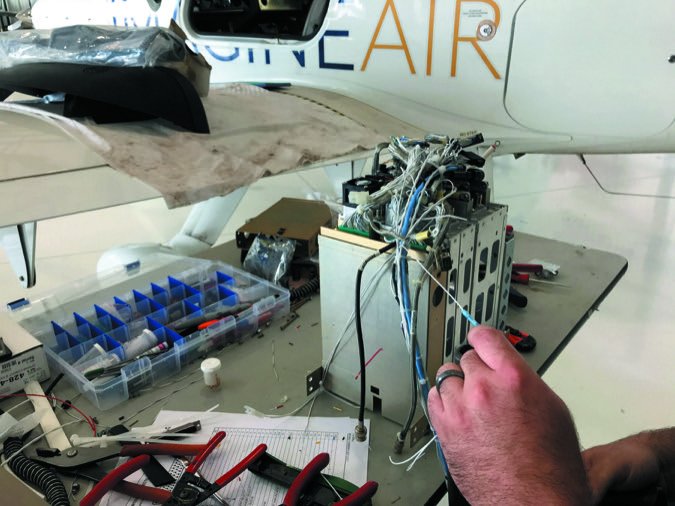
You’ll find that the majority of established avionics shops are Part 145 FAA repair stations, but some might have varying ops specs. For example, some might have instrument repair and overhaul capability, plus are spec’d to work on ship’s weather radar, to name two major fields of expertise. One benefit of using a shop that maintains a Part 145 repair station is that it’s required to have a quality control program in place (including an approved quality control manual), an area in which the FAA has placed sizable emphasis mostly for the right reasons.

Read More »

Replacement Plastic: Lower Prices, More PMAs

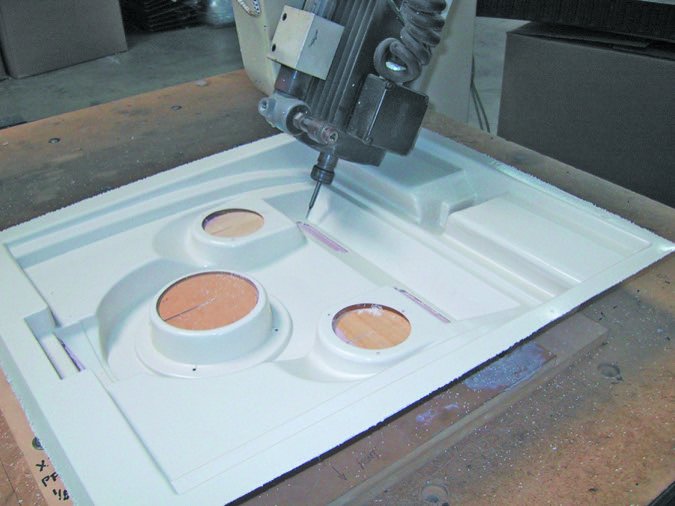
Elevator tips, window trims, door panels and plastic parts that need to be removed for annual inspections might live the hardest lives, while others wear prematurely because they are prone to vibration. Parts that stick out might get hurt the most, and landing legs and fairings take a beating. Luckily, plastic parts can be repaired and some damage can be hidden, but eventually you run out of washers big enough to hide cracked or oversized holes. There’s no set lifespan for a given piece of aircraft plastic, but in general about every 20 years or so most plastic has degraded enough to require replacement. On the other hand, weve seen 40-year-old aircraft with original plastic components that look they just rolled off the factory floor. For preserving interior plastic, using cabin sun shields and covers is a huge help.

Read More »